
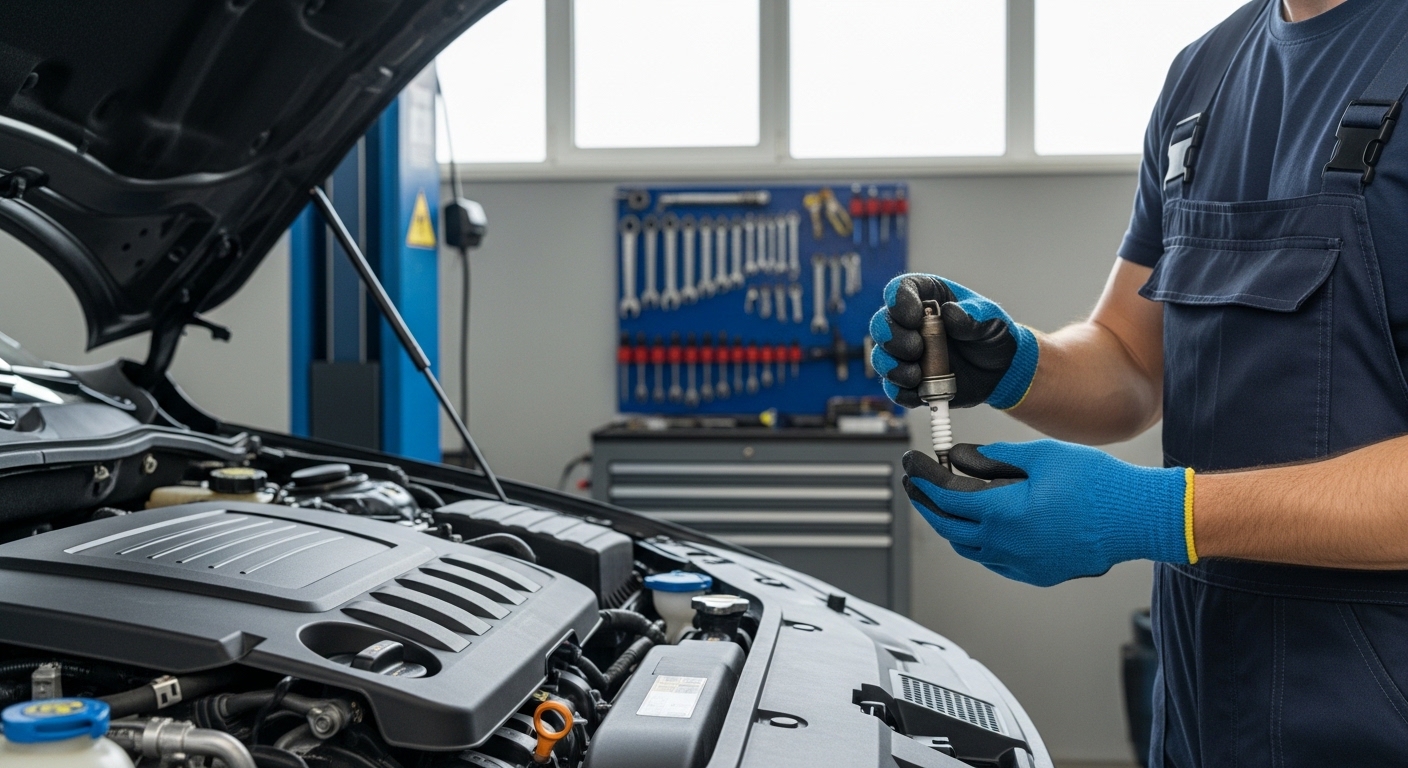
Your car has been feeling a little off lately. Maybe it takes a second longer to start. Maybe you noticed your gas mileage dropping. A friend tells you, “You probably just need a tune-up.” But what does that actually mean? Honestly, a lot of people go to the shop not knowing what they are actually paying for. Let me break it all down for you in simple terms.
What a Tune-Up Really Means Today
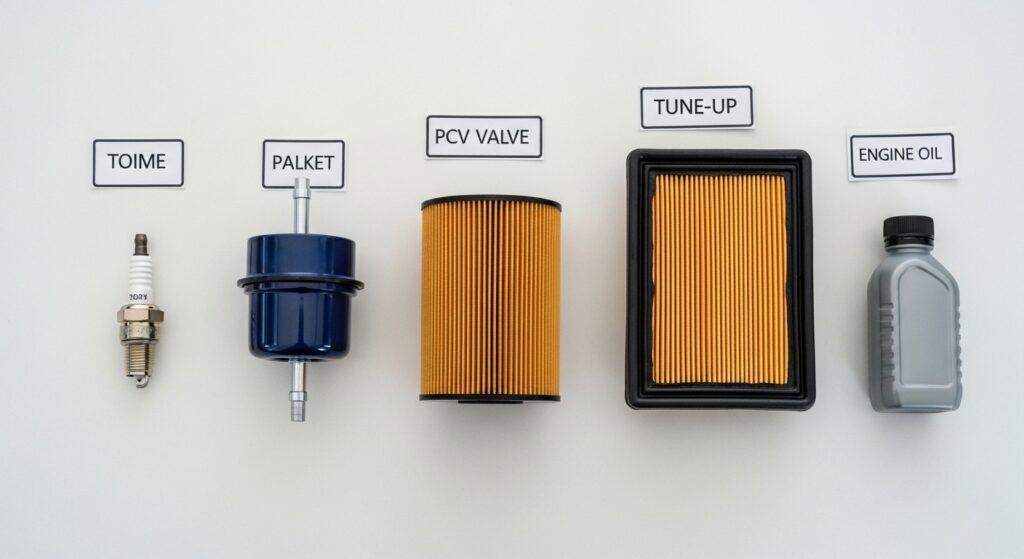
The word “tune-up” is actually old. Back in the early days of cars, mechanics had to manually adjust the carburetor, the distributor, and the timing belt to keep the engine running right. That is where the name came from. The carburetor was literally “tuned” for the best performance.
But today’s cars are very different. Since the 1990s, most engine systems have been controlled by computers. Your car basically adjusts itself. So when you walk into a shop asking for a tune-up today, you are really asking for a package of routine maintenance services that keep your car running at its best.
Think of it like a yearly checkup at the doctor. The doctor does not fix things that are broken; they check everything so nothing breaks later. A car tune-up works the same way.
Spark Plugs and Ignition System
If there is one thing that is always part of a tune-up, it is the spark plugs. These small parts create the spark that lights the air-fuel mixture inside your engine. Without that spark, the engine simply will not start.
Over time, spark plugs collect carbon deposits and wear down. When they are weak, your car may misfire, idle roughly, or use more fuel than it should. I once ignored my spark plugs for about 80,000 miles. My car started feeling sluggish on the highway, and my fuel bill quietly went up. One new set of plugs and it felt like a different car.
Depending on your car, the mechanic will also check the ignition wires, the coil boot, and the ignition coil. If your car has an older distributor cap and rotor, those get checked too. Modern cars often use a coil-on-plug system, which skips the old cap and rotor entirely. Your mechanic knows which setup your car uses.
Copper spark plugs need replacing more often, while platinum and iridium spark plugs can last up to 100,000 miles or even more in some cases.
Filters That Keep Your Engine Breathing
Engine Air Filter and Cabin Air Filter
Your engine needs clean air to run well. The engine air filter stops dust, dirt, and debris from getting into the engine. If it gets clogged, your engine works harder than it needs to, and your fuel economy drops.
The cabin air filter is a little different. It filters the air that comes through your HVAC system into the passenger area. It does not affect engine performance directly, but it affects air quality inside your car. If your windows fog up strangely or you smell musty air from the vents, the cabin filter is often the reason.
Drivers in dusty areas or those who do a lot of off-roading need to replace these filters more often. In normal conditions, the engine air filter is usually checked at every tune-up and replaced when it looks visibly dirty.
Fuel Filter and PCV Valve
The fuel filter is like a guard that sits between the fuel tank and the engine. It catches rust, dirt, and small particles from the fuel before they reach the engine. Over time, it can get clogged and reduce fuel flow, which hurts performance.
The PCV valve stands for positive crankcase ventilation. It sounds fancy, but its job is simple. It helps the engine breathe by letting gases from inside the engine escape instead of building up pressure. A bad PCV valve can cause rough idle, oil leaks, or even damage over time. Most maintenance schedules list it as something to check or replace every 30,000 to 60,000 miles.
Both of these are small parts, but skipping them is one of the most common mistakes I see car owners make.
Fluids, Belts, and Hoses Check
Fluid Levels Your Mechanic Should Always Check
A good tune-up always includes checking your car’s fluid levels. These fluids keep different systems inside your car working correctly. Your mechanic should check:
Engine oil keeps the engine parts moving smoothly. Engine coolant stops the engine from overheating. Brake fluid helps your brakes respond. Power steering fluid makes turning the wheel easy. Transmission fluid keeps gear shifts smooth. Windshield washer fluid is small but matters in bad weather.
Each of these fluids has a recommended change interval. Some, like synthetic oil, can last 7,500 to 15,000 miles between changes. Your owner’s manual will tell you exactly what your car needs.
To be fair, not every shop checks all of these during a basic tune-up. It is always smart to ask what is included before you pay.
Belts and Hoses Inspection
Belts and hoses are parts that most people never think about until something goes very wrong. The serpentine belt connects the engine to parts like the alternator, the water pump, and the power steering pump. If it snaps while you are driving, you could be stranded on the side of the road.
Hoses move coolant and other fluids through the engine. Over time, they can crack, swell, or become soft. During a tune-up, a good mechanic will squeeze and look at every visible hose and belt for signs of wear.
This is one of those checks that takes only a few minutes but can save you hundreds of dollars by catching a problem early.
Fuel System and Diagnostic Scan
Throttle Body and Fuel Injector Cleaning
The throttle body controls how much air enters the engine. Over time, oil and dirt build up on its inner walls, and it does not open and close the way it should. This can cause a rough idle and poor engine response.
Fuel injector cleaning is something a mechanic may suggest if you are having running problems or if you use lower-quality gasoline regularly. According to the U.S. Department of Energy, using Top Tier gasoline that already contains detergent additives can reduce the need for injector cleaning in most cases. Cleaning the throttle body and fuel system is not always on a standard tune-up list, but it is often added when a car shows symptoms like stalling or poor acceleration.
OBD Diagnostic Scan and Check Engine Light
Most cars made after 1996 have an onboard diagnostics (OBD) system. Think of it as the car’s own health monitor. When something goes wrong, the system stores an error code, and the check engine light turns on.
During a tune-up, a good technician will often run a diagnostic scan using an OBD reader. This tool reads the stored codes and helps identify problems before they get worse. It takes only a few minutes, but it gives the mechanic a clear picture of what needs attention.
The funny part is, many people ignore the check engine light for months. I have done it myself. But a quick scan during a tune-up can catch a simple issue early and save you a much bigger repair bill later.
How Often Should You Get a Tune-Up?
Tune-Up Schedule Based on Your Car’s Age
This is where things vary a lot. Older vehicles with non-electronic ignition systems needed a tune-up every 10,000 to 12,000 miles. Modern cars with electronic ignition and long-life spark plugs can go 25,000 to 100,000 miles between major tune-ups.
The best source for your specific car is the owner’s manual. It has a full maintenance schedule written by the people who built your vehicle. If you lost your manual, you can usually find it online by searching your car’s year, make, and model.
Your driving conditions also matter a lot. Stop-and-go city traffic, extreme weather, and rough terrain all put more stress on your car’s systems. Drivers in these conditions may need more frequent tune-ups even if the mileage number has not been reached yet.
According to AAA Automotive, older vehicles with non-electric ignition should be serviced at 10,000 to 12,000 mile intervals, while newer vehicles may go 25,000 to 100,000 miles.
Signs You Need a Tune-Up Right Now
Sometimes your car tells you it needs help before the mileage number comes up. Here are some clear signs it is time to book an appointment:
Your check engine light is on or flashing. Your engine is misfiring or making unusual sounds. You notice much lower fuel efficiency than usual. The car is hard to start, especially in cold weather. You feel rough acceleration or a shaky idle. Do you see or smell anything unusual in the engine area?
If you notice any of these, do not wait. A small problem caught early almost always costs less to fix than a big problem caught late.
How Much Does a Tune-Up Cost?
Basic vs. Comprehensive Tune-Up Price
Tune-up costs vary depending on what is included and where you go. A basic tune-up that covers just the spark plugs and a quick inspection usually runs between $50 and $150. A more complete service that includes filters, fluid checks, fuel system cleaning, and a diagnostic scan can cost anywhere from $200 to $800.
The age and make of your car matter too. A luxury or European car often costs more because parts are pricier and labor takes longer. A common domestic car will usually be on the lower end of the range.
It is always a good idea to ask for a written estimate before the work begins. A trustworthy shop will show you what they plan to do and explain the cost of each item clearly.
Is a Tune-Up Worth the Money?
Most people think of a tune-up as an expense. I think of it as protection. A well-maintained car holds its value longer, burns less fuel, and is far less likely to leave you stranded somewhere.
Most guides will tell you the main benefit is performance. And yes, that is true. But from what I have seen, the biggest value is in what a tune-up prevents. One ignored spark plug or a cracked belt can turn into a $1,500 repair very quickly.
The environmental side is worth mentioning too. When your engine is running properly, it burns less fuel and produces fewer emissions. That is good for your wallet and better for the air around us all.
Conclusion
A car tune-up is not one single thing. It is a collection of important checks and replacements that keep your engine healthy. From spark plugs and ignition wires to air filters, fluid levels, belts, hoses, and a diagnostic scan, every part of a tune-up has a purpose.
The key takeaway is simple: do not wait for something to go wrong. Follow your owner’s manual, pay attention to the signs your car gives you, and get regular tune-ups on schedule. Your car will run better, last longer, and cost you less in the long run.
Have you had a tune-up recently? I would love to hear what your experience was like. Drop a comment or share this with someone who might need it.
Frequently Asked Questions
What is always included in a basic engine tune-up?
A basic tune-up almost always includes spark plug inspection or replacement and a check of the ignition system. Most shops will also look at the engine air filter and check fluid levels at minimum. The exact list depends on your car and the shop you visit.
How long does a tune-up take?
A tune-up usually takes between two and four hours. More modern cars with computerized systems tend to take less time. Older vehicles with more mechanical parts to adjust can take longer.
Can I skip a tune-up if my car feels fine?
Not really. Some problems like worn spark plugs or a dirty fuel filter do not always cause obvious symptoms right away. Skipping scheduled tune-ups can let small problems grow into expensive repairs without you even noticing.
Does a tune-up include an oil change?
Not always. An oil change is its own service and is not traditionally part of a tune-up. However, many shops offer them together as a package. Always ask what is included before you book.
How do I know when my specific car needs a tune-up?
The best place to check is your car’s owner’s manual. It has a full maintenance schedule with mileage and time intervals specific to your vehicle. Your car’s instrument cluster may also have a maintenance reminder system that alerts you when service is due.