
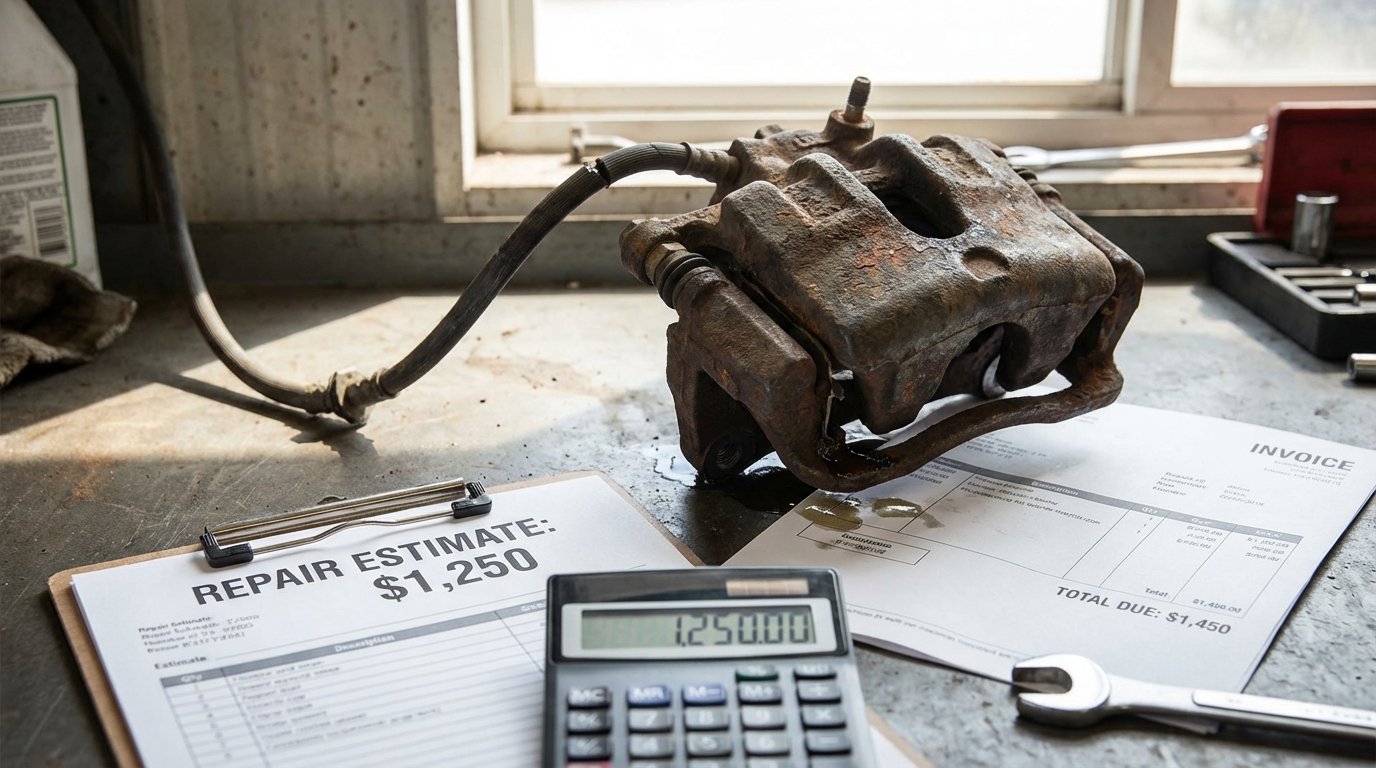
You see a tiny crack. A small drip. A weird noise from the furnace. You think — “it’s fine, I’ll deal with it later.” But later often turns into a disaster that costs you thousands of dollars. I’ve been there myself. And honestly, it never feels small when the bill shows up.
Why Small Repairs Become Big Bills: The Real Reason
The “Wait and See” Trap That Costs You More
Most people don’t ignore repairs on purpose. Life is busy. Work is stressful. Kids need dinner. So when the kitchen faucet starts dripping, or the car makes a little squeak, it’s easy to say, “I’ll handle it on the weekend.” Then the weekend comes and goes, and so does the next one.
Here is the problem — small problems don’t wait for you. They grow. A slow drain becomes a clogged pipe. A roof stain becomes mold growth. A check engine light becomes an engine rebuild. What was a $50 fix turns into a $2,000 repair. That’s not bad luck. That’s just how deferred maintenance works.
I remember ignoring a small damp spot near my bathroom wall for almost three months. “It’ll dry out,” I told myself. It didn’t. By the time a plumber came, there was water damage inside the wall, soft drywall, and the early signs of mold. The repair bill? Nearly $900. A plumber visit at week one would have cost me $150. The lesson hurt, but it stuck.
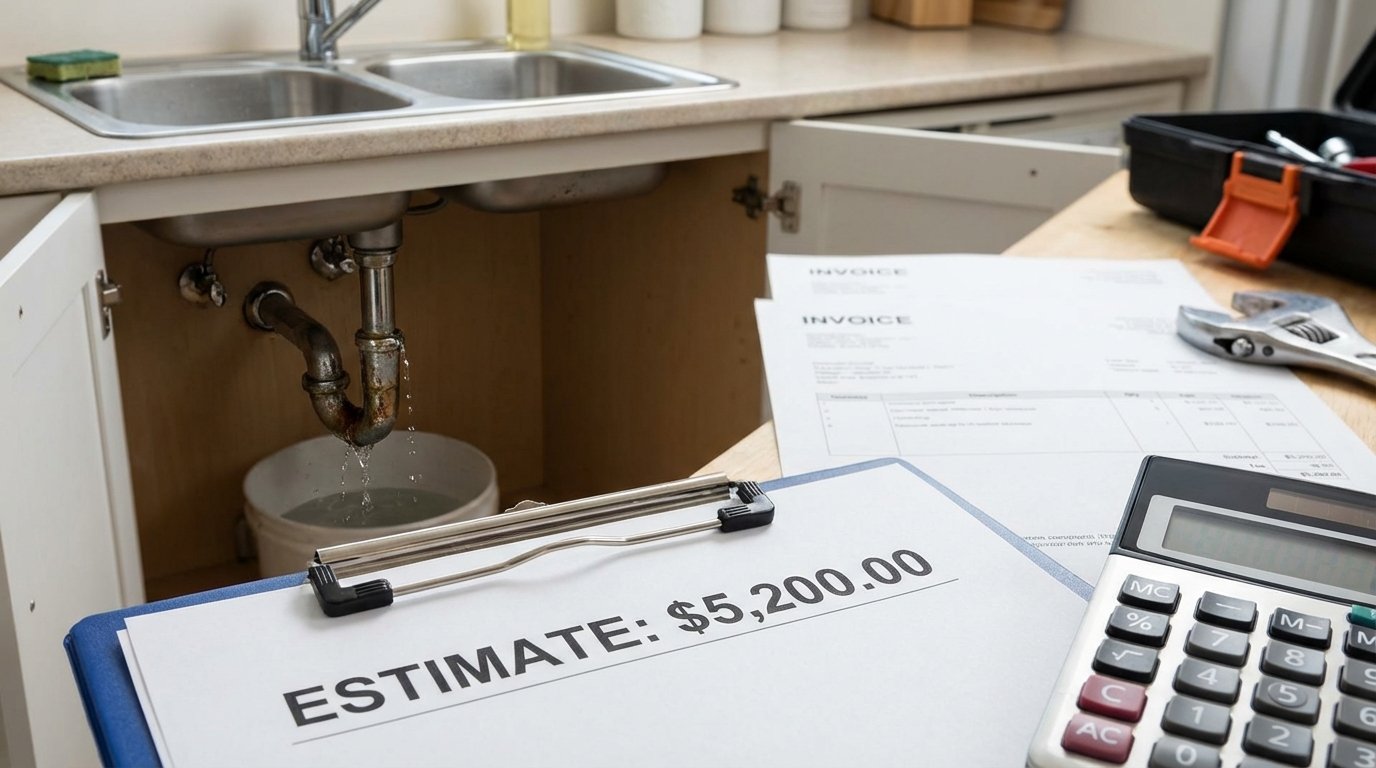
How Small Problems Grow Into Expensive Repairs
There’s a simple reason why this keeps happening — damage doesn’t stay in one spot. It spreads. Water infiltration travels through insulation, wood framing, and drywall. A minor hydraulic leak spreads to connected parts. A small crack in your foundation widens with every rainstorm and freeze-thaw cycle.
According to industry data reviewed in Jamar Roofing’s 2025 analysis, every dollar spent fixing a roof leak right away can prevent $10 to $100 in future restoration costs
The ugly truth? Most of us don’t act fast. We put things off, and then small repairs become big bills — almost every single time.
Common Small Home Repairs That Snowball Fast
Roof Leaks: The Silent Money Drain
A small roof leak looks like nothing. Maybe a faint yellow stain on the ceiling or a single drip in the attic. But don’t be fooled. That tiny opening lets water find its way into your attic insulation, your wood decking, your drywall, and even your flooring.
Within just the first day or two, wet insulation can drop from R-30 efficiency to R-5. That means your heating and cooling system works much harder — and your energy bills go up right away. In 6 to 12 months? That tiny drip can cause more than $10,000 in structural damage. Fixing it early costs just $150 to $400.
Quick Tip: Check your ceiling after every major rainstorm. A small stain caught early can save you thousands. Grab a flashlight, go into the attic, and look for damp spots or dark patches on the wood beams. It takes 10 minutes and costs nothing.
The worst part? A lot of people try a temporary seal and call it done. But stopgap fixes don’t last. Sun, cold, and rain break them down fast. So you end up paying twice — once for the quick fix, and again for the full repair after the new damage piles up. That’s what experts call the chain reaction of deferred maintenance.
Plumbing Problems That Go From Drip to Disaster
A dripping faucet feels like the smallest problem in the world. But according to the U.S. Environmental Protection Agency (EPA), one leaky faucet can waste over 3,000 gallons of water per year. That’s real money — gone down the drain, literally.
Now think bigger. A slow drain left alone can become a full pipe blockage. Hidden pipe leaks inside walls cause wood rot, mold growth, and sometimes full wall replacement. Repairing a sewer line can run between $2,000 and $6,500. But catching a small clog early? Often less than $100.
I’ve talked to many homeowners who heard a gurgling sound in their pipes for weeks. They ignored it. Weeks later, the drain backed up, and sewage came into the basement. Nobody wants that conversation with their family — or with their wallet.
Why Cars Are Especially Vulnerable to Repair Neglect
Small Car Issues That Become Expensive Nightmares
Cars are patient — until they’re not. They give you small warnings: a check engine light, a strange noise, a vibration, a little wobble in the steering. These aren’t just annoyances. They’re your car is telling you that something needs attention now.
A bad oxygen sensor or a misfiring spark plug costs around $100 to fix early. Let it go, and you can damage your catalytic converter, which runs $2,000 or more. A transmission fluid flush costs roughly $200. But let dirty or low transmission fluid wreck your transmission? You’re looking at $5,000 for a full rebuild or replacement.
Mechanics often say there’s no such thing as a cheap problem — only an early one. I completely believe that now. A friend of mine drove with a small brake squeal for two months. By the time he went in, his rotors were damaged. What would have been a $60 pad replacement turned into $400. He learned the hard way.
The Hidden Cost of Reactive Repairs vs. Proactive Maintenance
When you fix things before they break, you stay in control. You plan the repair. You shop around for prices. You pick the right time. But when something fails suddenly, you’re in emergency mode. That means overtime labor charges, overnight parts shipping, and no time to compare quotes.
As noted in a 2025 report by Pedigree Technologies, a $200 part can become a $5,000 repair once damage spreads to connected systems. Emergency repairs are almost always more expensive — and more disruptive — than planned ones.
The smartest drivers and homeowners are the ones who listen early. They don’t wait for problems to shout. They act when problems whisper.
The Real Financial Impact of Delayed Repairs
How Delay Multiplies Your Repair Costs
Let’s be honest about the numbers. A minor roof repair costs $150–$400. Wait a year? That same problem might cost $6,000 to $15,000. A small foundation crack sealed early runs a few hundred dollars. Left alone, foundation repair can reach $15,000 or more, depending on how far the damage spreads.
Termite damage is one of the scariest examples. Treatment costs around $541 on average. But the damage termites cause while you wait? An average of $7,22, according to data from The Zebra’s home repair cost guide (2024). These tiny insects are quiet workers. You don’t notice them until the damage is serious.
And it’s not just the repair cost that grows. There’s also the cost of lost time, stress, and sometimes even property value. A house with visible damage, mold, or structural problems is worth less on the market. Buyers see it, and they negotiate hard.
Paying Twice: Stopgap Fixes That Make Things Worse
One of the most painful ways small repairs become big bills is through the “fix it cheap for now” approach. You caulk a window that needs replacing. You patch a driveway crack that needs proper sealing. You put a bucket under a leaky pipe instead of calling a plumber.
These band-aid fixes don’t just fail — they often make the original problem worse. Water gets past the cheap caulk. The crack spreads. The pipe gets weaker. And now you’re paying for the original repair plus the damage caused while the bad fix was in place. You’ve paid twice, and the second bill is always bigger.
How to Stop Small Repairs From Becoming Big Bills
Build a Simple Home and Car Maintenance Routine
The fix is not complicated. It just takes a little consistency. Set a reminder every three months to walk through your home and check for small issues: soft wood near windows, water stains on ceilings, slow drains, unusual sounds from your HVAC system. For your car, check your tire pressure, oil level, and brake pads regularly.
Keep a small home repair kit ready — some basic tools, exterior caulk, primer, and a few spare fasteners. When you catch something small, fix it that day if you can. Don’t write it on a list. Don’t “plan to get to it.” Just fix it. Ten minutes now can save ten hours later.
Take quick photos of anything unusual, add a date, and check back after the next storm or cold snap. Small shifts add up. Document what you see. It helps you notice when something is changing slowly — which is exactly when preventative maintenance saves the most money.
Know When to Call a Professional Early
There’s a time to DIY and a time to call someone who knows exactly what they’re doing. If you see signs of structural movement — doors that stick suddenly, cracks that appear near windows or corners, floors that flex — call a professional. Don’t guess. Don’t YouTube it. Early assessment keeps the scope small and the bill low.
For anything involving electrical wiring, gas lines, sewer pipes, or load-bearing structures, a licensed professional is always worth it. The cost of an inspection is almost always far less than the cost of a repair that went wrong, or got much bigger because it was ignored too long.
Conclusion: Act Small, Save Big
Small problems don’t stay small. They spread, grow, and quietly multiply your repair bill while you’re busy with other things. A leaky faucet, a crack in the wall, a weird noise from your car — none of these are “nothing.” They’re all early warnings that something needs your attention.
The people who avoid big repair bills aren’t lucky. They’re just early. They fix the $100 problem before it becomes the $5,000 problem. They inspect, they maintain, and they act fast when something changes. You can do the same — and it doesn’t take much time or money. Just a little attention.
Have you ever had a small repair turn into a huge bill? I’d love to hear your story — drop a comment or share your experience. It might just save someone else from the same mistake.
Frequently Asked Questions (FAQs)
How quickly can a small repair become a big bill?
Faster than most people expect. A small roof leak can cause $10,000 or more in damage within just 6 to 12 months. A simple plumbing drip leads to water damage and mold growth in weeks if wthe wallsstay wet. The key factor is time — the longer you wait, the more connected systems get affected, and the higher the cost climbs.
What home repairs should never be ignored?
Never ignore water stains on ceilings, soft or discolored wood, unexplained mold, slow drains, foundation cracks, or electrical issues. These are signs that a bigger problem is already underway. A small visual clue today can mean thousands in structural repairs if left alone. When in doubt, call a licensed professional for an early inspection.
Why does deferred maintenance cost more in the long run?
Because damage spreads. One damaged shingle lets water travel into insulation, wood framing, and drywall. A single transmission fluid problem can take down an entire system. What starts as a cheap fix grows into a multi-trade repair job that takes more labor, more materials, and more time. Proactive maintenance always costs less than emergency repairs.
How can I stop small repairs from becoming big bills?
Do regular home and car checkups every 90 days. Look for water stains, soft spots in wood, unusual noises, and slow drains. Fix things the day you notice them — don’t put them on a list. Keep a basic repair kit at home. And for anything involving electrical systems, plumbing, or structural issues, hire a professional early. Acting fast is always cheaper than reacting late.
Is preventative maintenance really worth the money?
Yes — by a wide margin. Industry data shows that every dollar spent on early roof leak repair can prevent $10 to $100 in future costs. Regular car maintenance extends vehicle life and avoids $2,000–$5,000 in engine or transmission repairs. Routine plumbing checks prevent pipe bursts and sewage backups that can cost $6,500 or more. The upfront cost of prevention is almost always far less than the cost of repair.