
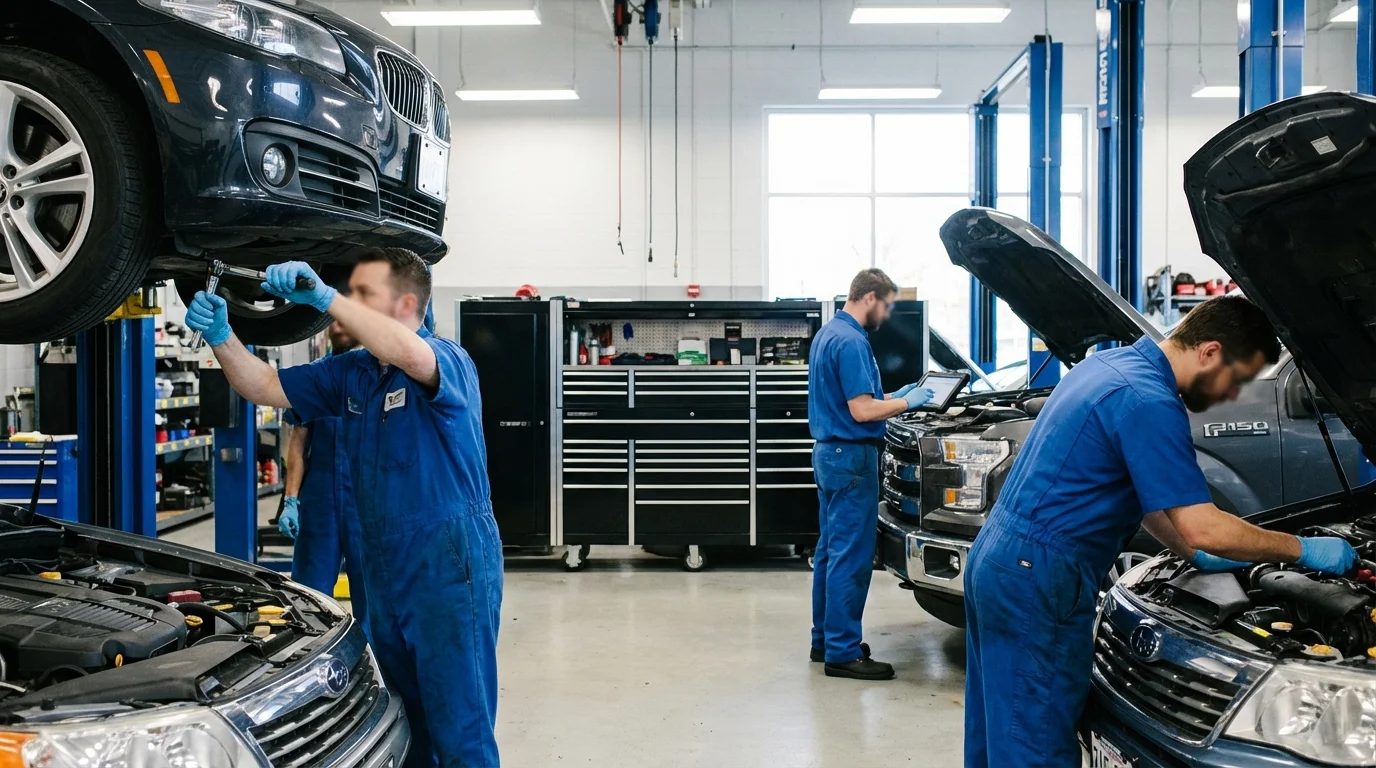
You hand over your car keys. Someone drives your car into a big garage. The door closes. And you sit in a waiting room, sipping bad coffee, hoping for the best. But do you actually know who is in there working on your car? Most people don’t — and honestly, that’s a little wild when you think about it.
What Is a Car Mechanic and What Do They Actually Do?
A car mechanic — also called an automotive service technician — is someone who fixes and maintains cars. They check what’s wrong, find the problem, and repair it. It sounds simple, but honestly, modern cars are like rolling computers. A lot is going on under the hood.
When you bring your car in, a mechanic will usually start with a visual inspection. They’ll listen to how the engine sounds. They’ll plug in a scan tool or diagnostic equipment to read the car’s built-in computer for fault codes. Then they figure out what needs to be fixed and give you an estimate.
According to the U.S. Bureau of Labor Statistics, automotive service technicians and mechanics inspect, maintain, and repair cars and light trucks — and their job includes everything from oil changes to diagnosing complex electrical issues.
Mechanic vs. Automotive Technician — Are They the Same?
Well, here’s something most people don’t know: a mechanic and an automotive technician are slightly different. A traditional mechanic is great at hands-on, physical repairs. An automotive technician leans more into technology — reading computer data, working with Advanced Driver Assist Systems (ADAS), and using electronic testing equipment like multimeters and scan tools.
In most modern shops, though, the two roles overlap. The person working on your car probably does both.
The Different Types of Mechanics You’ll Find in a Repair Shop
I remember the first time I walked into an auto shop after my car made a weird grinding sound. I had no idea who to talk to or who would actually touch my car. There were like four different people in there — and they all had different jobs. Here’s a breakdown of who you’re likely to meet.
A general mechanic is the most common person you’ll deal with. They handle all kinds of everyday repairs — from changing brake pads to fixing a faulty sensor. Think of them like a family doctor for your car. They see everything first.
A diagnostic technician uses deep knowledge of engine management systems, fuel systems, electrical systems, and ignition systems to figure out what’s wrong when the problem isn’t obvious. They’re the detectives of the shop.
A transmission technician works on the gear train, hydraulic pumps, and other parts of your transmission system. This is a very specific skill. Not every mechanic can do it well.
A front-end technician handles issues with how your car rides, steers, and how the tires wear. They use special wheel-balancing machines and alignment equipment to fix these problems.
A lube technician (or lube tech) is usually an entry-level role. They do basic work like oil changes, fluid checks, filter replacements, and tire rotations. If you visit a quick-lube shop, this is likely who you’re seeing.
A body shop technician focuses on the outside of your car — think dents, paint, and structural damage after an accident. They deal with auto body repair, paint jobs, and sometimes full frame replacements.
Who Else Works at an Auto Repair Shop?
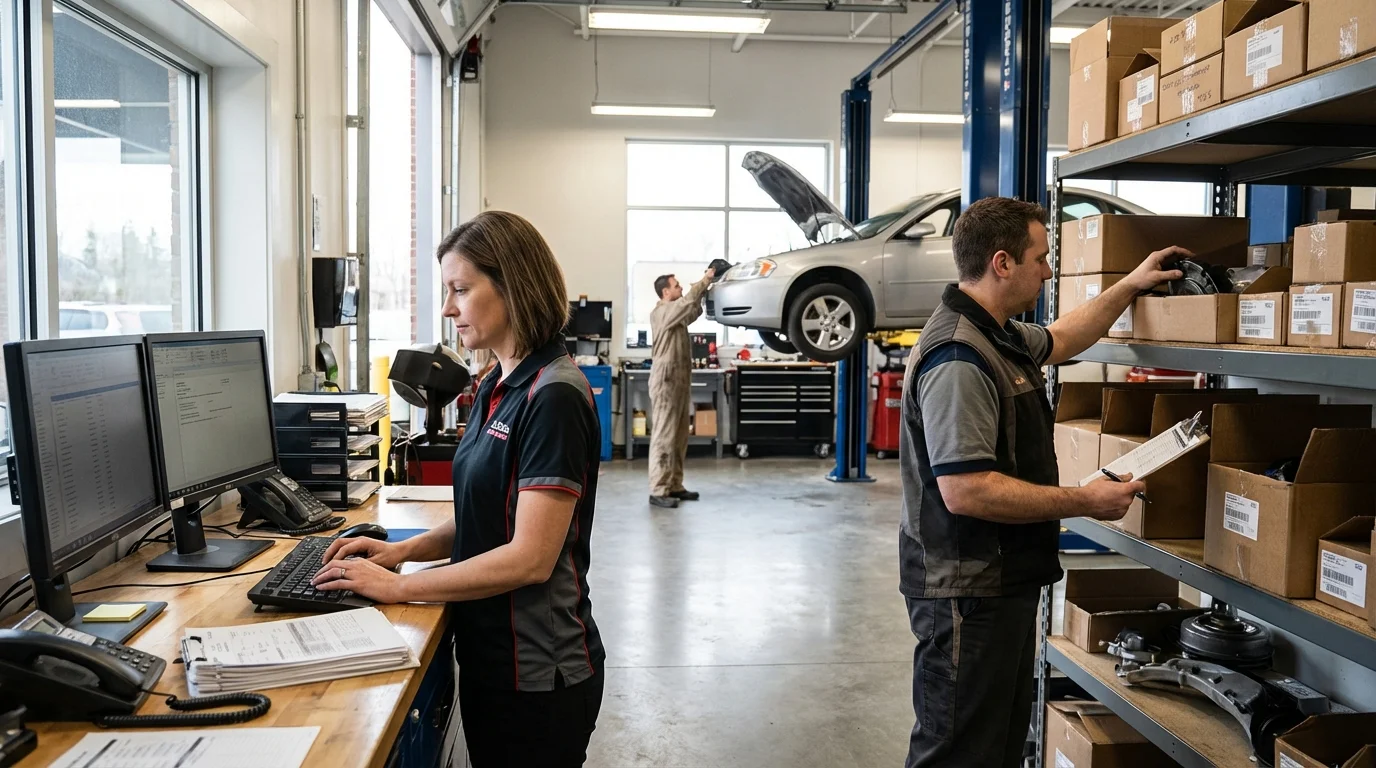
Here’s the thing — not everyone at the shop is a mechanic. There are other people who play a big role in how your car gets fixed.
The service advisor is usually the first person you talk to. They listen to your complaint, write up a work order, explain what the mechanics found, and give you the bill at the end. They’re the bridge between you and the person actually fixing the car.
The shop owner or service manager runs the whole operation. In smaller shops, the owner might also be the mechanic. In bigger dealerships or chains, they manage the business side.
The auto glass mechanic handles cracked or broken windows, windshield replacement, and weatherproofing. It sounds niche, but it’s a specialized skill — getting glass right takes training.
What Qualifications Should a Mechanic Have?
This is honestly one of the most important things to ask when you drop your car off. You want to know the person working on your vehicle actually knows what they’re doing.
The gold standard in the U.S. is ASE certification — that stands for Automotive Service Excellence. An ASE-certified mechanic has passed tests on specific parts of the car, like engine repair, emissions systems, and HVAC service. The highest level is ASE Master Technician, which means they’ve passed tests on all major vehicle systems.
Some mechanics also go through vocational programs, community college automotive technology courses, or manufacturer-specific training through brands like Ford, Toyota, or GM. According to the U.S. Bureau of Labor Statistics, most mechanics complete a formal program in automotive service technology, though some start with a high school diploma and learn on the job.
Don’t be shy about asking. A good shop will be happy to tell you about its team’s credentials.
Why You Should Actually Meet the Person Fixing Your Car
Most people never bother to say hello to their mechanic. They talk to the service advisor, hand over the keys, and wait. But honestly? Meeting the actual person working on your car can make a real difference.
When it becomes personal — when the mechanic sees you as a person and not just another job on the board — the work often gets more care and attention. I’ve noticed this myself. The one time I walked back and said, Heyy, thanks for taking this on,” the mechanic took an extra few minutes to walk me through exactly what he found. That kind of transparency is valuable.
Building a relationship with your mechanic also helps over time. A mechanic who knows your car’s history can spot patterns and catch small problems before they become big ones.
How to Know if Your Mechanic is Trustworthy
There are some clear signs of a shop you can trust. A good mechanic will explain what’s wrong in plain language, give you a written estimate before touching anything, and back up their work with a warranty. Most quality shops offer at least a 12-month or 12,000-mile warranty on repairs.
They’ll also follow a proper diagnostic process — that means a test drive, a computerized scan, and a thorough visual inspection. If a mechanic just starts replacing parts without diagnosing the real problem, that’s a red flag.
Be careful if someone tries to rush you or uses scare tactics. A trustworthy shop gives you time to ask questions and think things over. You’re allowed to ask for a second opinion — any honest mechanic will understand.
What Does It Cost to Have a Mechanic Work on Your Car?
The honest answer is: it depends. Labor rates vary widely based on where you live, the type of shop (dealership vs. independent), and how complex the job is. According to the U.S. Bureau of Labor Statistics, the median annual wage for automotive service technicians and mechanics was $49,670 in May 2024, which gives you a rough idea of what experience costs.
Dealerships tend to charge more per hour but use brand-specific parts. Independent shops may be more affordable. Mobile mechanics — who come to your home or office — can sometimes be cheaper too, since they have lower overhead costs.
One thing to always remember: cheap isn’t always better. You’re trusting someone with the second biggest investment most people make after their home. A few extra dollars for a certified, experienced mechanic is almost always worth it.
Conclusion
Your car gets you to work, takes your kids to school, and goes with you on road trips. The people working on it deserve more than a glance. Whether it’s a general mechanic, a diagnostic technician, a transmission specialist, or a lube tech, each person in that shop plays a role in keeping you safe on the road.
Next time you drop off your car, take a second to ask who’s working on it, check if they’re ASE certified, and maybe just say hi. A little curiosity and basic trust-building ggoa long way. And honestly, your car will thank you for it.
Frequently Asked Questions
What is the difference between a mechanic and an automotive technician?
A mechanic usually focuses on hands-on, physical repairs — replacing parts, fixing leaks, and doing maintenance. An automotive technician tends to work more with computers and diagnostic tools. In most modern shops, the same person does both jobs. The line between them has blurred a lot as cars have become more digital.
How do I know if my mechanic is qualified?
Ask about their ASE certification. That’s the main standard in the U.S. An ASE-certified technician has passed tests on specific vehicle systems. An ASE Master Technician has passed tests on all major systems. You can also ask how long they’ve been working and whether they’ve had training for your specific car brand.
Should I try to meet the mechanic working on my car?
Yes — and it’s actually a good idea. Meeting the person who’s fixing your car makes it more personal. They tend to do a more careful job when they’ve met you. It also gives you a chance to explain exactly what the car has been doing wrong, in your own words, instead of just leaving a note with the service advisor.
What should I say (and not say) to my mechanic?
Describe your car’s symptoms clearly — “it makes a grinding noise when I brake” is much better than “just fix whatever it needs.” Avoid saying “I don’t know anything about cars” as that can leave you open to unnecessary repairs. Treat it like a doctor’s visit: describe the symptoms, let the mechanic confirm the cause, and agree on a plan before any work starts.
How much does it cost to hire a mechanic?
Costs vary depending on your location, the type of shop, and what needs to be done. Dealerships usually charge higher labor rates but use original parts. Independent shops are often more affordable. Mobile mechanics can also be a good option for simpler repairs. Always ask for a written estimate upfront and check if the shop offers a warranty on their work.