
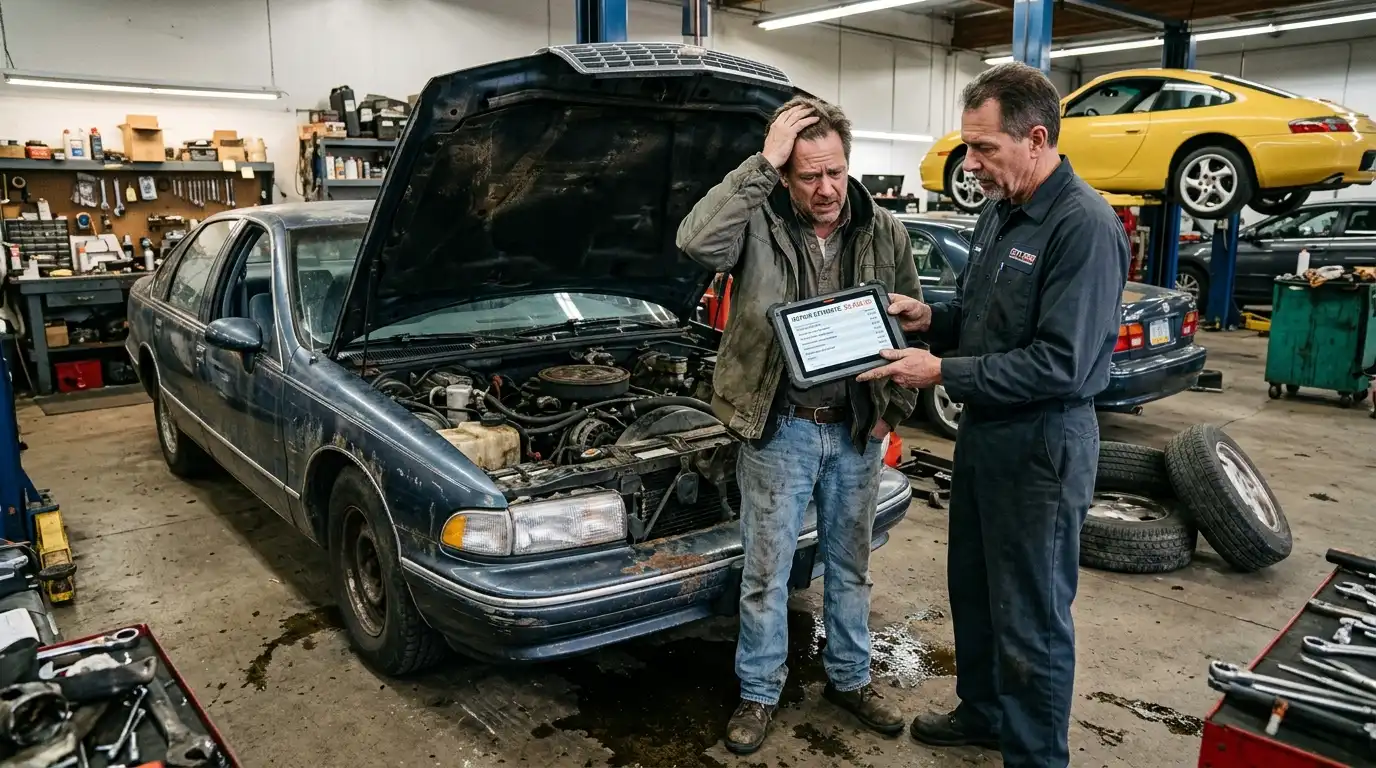
You skip one oil change. Then another. You tell yourself it will be fine. Then one day your car breaks down on the highway, and the mechanic hands you a bill that makes your jaw drop. That small “save money now” decision just cost you 10 times more. This happens to millions of people every year. And the sad part? It was totally avoidable.
Why Small Maintenance Tasks Matter More Than You Think
The Real Cost of Ignoring Your Maintenance Schedule
Most people think routine maintenance is optional. Like it is something you do only when you have extra money. But that is not how cars work at all.
Your car has a maintenance schedule written in its owner’s manual. The car maker created this schedule for one reason: to keep your car running without big problems. When you ignore it, you are not saving money. You are just pushing the cost into the future and it grows.
A simple oil change costs around $50 to $100. But if you keep skipping it, the old oil turns into thick sludge. That sludge stops protecting your engine. The parts start to rub against each other. The friction builds heat. And before you know it, you could be facing a full engine replacement that costs $4,000 or more.
That is not a small problem. That is a life-disrupting expense that could have been stopped with a $60 service.
How One Skipped Service Snowballs Into Major Repairs
Here is something I want you to picture. Imagine a tiny crack in a wall. You ignore it. Water gets in. The wall gets weak. Then one winter, it caves in. Now you do not have a tiny crack problem. You have a building problem.
Deferred maintenance works the same way. One skipped service creates wear. That wear spreads to connected parts. Those parts fail. And now you have a chain reaction of mechanical failures that costs 5 to 10 times more than the original fix would have.
Honestly, I learned this the hard way with my first car. I skipped a coolant flush because I was tight on cash. A few months later, the water pump failed. Then the head gasket went with it. What would have been an $80 service turned into a $2,200 repair. The mechanic just shook his head and said, “This all started with the coolant.”
The lesson stuck with me forever.
The Most Expensive Things That Break When You Skip Maintenance
Engine and Oil System Failures
The engine is the heart of your car. And engine oil is its blood. Without clean oil doing its job, everything starts to break down fast.
When you skip oil changes, the oil gets dirty and loses its ability to lubricate moving parts. Sludge buildup starts to form. The engine has to work harder. Parts heat up. Bearing wear starts. And in the worst cases, the engine simply seizes up.
According to a study published by the Car Care Council, Americans spend over $60 billion a year on car repairs. A big portion of those repairs comes from neglected engine maintenance.
The repair costs are not small. A blown engine can cost anywhere from $3,000 to $10,000 to fix or replace. Compare that to an oil change that costs $60 and takes 30 minutes. The math is not even close.
Brake System Damage That Could Cost You Over $1,000
Brake pads wear down over time. That is normal. But when you skip brake inspections, you do not notice when the pads get too thin. Thin pads grind against your rotors. The rotors get damaged. Then the calipers start to go too.
Replacing just your brake pads? That might cost $150 to $300. But waiting too long means you need new rotors and calipers, too. Now that same job costs $1,000 or more per wheel.
The scary part is that bad brakes are not just expensive. They are dangerous. Worn brakes mean longer stopping distances. In an emergency, that extra few feet can be the difference between stopping in time and causing an accident.
A brake inspection typically costs between $88 and $111, according to RepairPal. That is a small price to pay for your safety and your wallet.
More Systems That Suffer When You Skip Service
Transmission, Cooling System, and Battery Problems
People often forget about the transmission until it starts acting up. Skipping transmission fluid changes is one of the most common and costly mistakes drivers make. The fluid lubricates and cools the gears. When it breaks down, gears start slipping. Hard shifting happens. Eventually, you get complete transmission failure.
Repairing a failed transmission costs between $2,000 and $5,000. A fluid change? Usually less than $150.
The cooling system is another silent victim of skipped service. Old coolant loses its ability to protect your engine from overheating. Worn belts and hoses crack and break. A burst hose on the highway can lead to head gasket damage, which is one of the priciest fixes on any car.
And do not forget your battery. Corroded terminals and a weak battery do not just leave you stranded. They can damage your car’s electrical systems and onboard electronics too. Testing and cleaning the battery takes just a few minutes at any shop.
Tires, Filters, and Fuel Efficiency Losses
Tire rotations are cheap. Around $60 to $72 on average. But if you skip them, your tires wear unevenly. One side gets bald while the other looks fine. Eventually, you need a new set. A good set of four tires can cost anywhere from $400 to $1,200, according to Consumer Reports.
Air filters are even simpler. A new engine air filter costs just a few dollars. But a clogged air filter restricts airflow to the engine. The engine works harder. It burns more fuel. Your fuel economy drops. You spend more money at the gas station every single week.
The funny part is that most people do not even notice the fuel economy dropping. It happens slowly. But over a year, that adds up to hundreds of dollars in wasted fuel.
How Skipping Maintenance Affects More Than Just Repair Bills
Safety Risks and Accident Dangers
This is the part most people do not think about until it is too late.
A car that has not been properly maintained is not just an expensive problem. It is a safety problem. Worn brake pads, bald tires and broken windshield wipers all put you and everyone around you at risk.
The U.S. National Highway Traffic Safety Administration (NHTSA) has found that vehicle failures from poor maintenance are a leading cause of roadside breakdowns and accidents.
When your car breaks down on a busy road, you are not just stuck. You are a danger to other drivers. Emergency repairs, towing fees, and possible accident costs can all pile up very fast. None of that would have happened with regular service.
Lower Resale Value and Voided Warranty
Here is something that surprises people. Skipping maintenance does not just hurt your car’s performance. It also hurts your wallet when you try to sell it.
Buyers look at maintenance records. A car with a clean service history is worth more. People are happy to pay a premium for a car they can trust. A car with no records? Buyers assume the worst and lower their offer.
Even worse, many auto warranties require you to follow the manufacturer’s service intervals. Skip too many services, and your warranty can become void. That means what should have been a covered repair becomes a full out-of-pocket expense.
So you are not just losing money on repairs. You are losing money when you buy and sell too.
Simple Steps to Stay on Top of Maintenance Without Stress
Build a Monthly Maintenance Habit That Actually Works
I know what you are thinking. “I am too busy.” I used to say that too. But staying on top of maintenance does not have to take a lot of time or money.
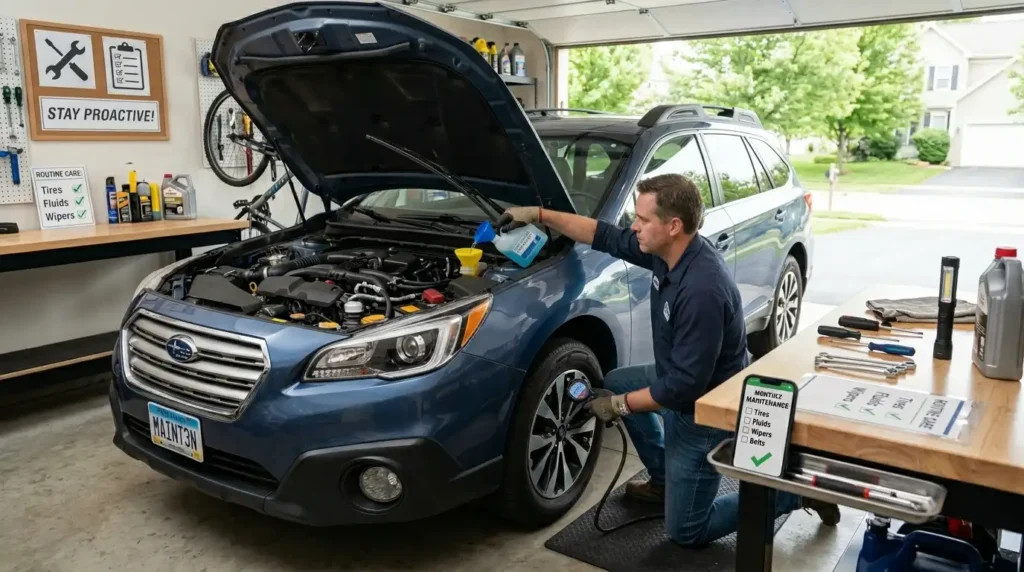
Start with these simple monthly habits. Check your tire pressure every few weeks. It takes 5 minutes. Look at your fluid levels: oil, brake fluid, coolant, and transmission fluid. Listen for strange noises when your engine starts or when you brake. Do a quick walk around your car to check for any new damage or odd tire wear. Watch your dashboard for any check engine light or warning signals.
Set a reminder on your phone for every month. It takes 30 minutes total. That 30 minutes of attention can save you thousands of dollars in costly repairs later.
When to See a Mechanic and When to DIY
Some things you can do yourself. Checking tire pressure, replacing cabin air filters, topping off windshield wiper fluid, and replacing wiper blades are all simple DIY tasks. They cost almost nothing and take just a few minutes.
But other things need a professional. Brake inspections, transmission fluid changes, and engine diagnostics should always be taken to a mechanic. These are not things to guess about.
Find a mechanic you trust before you need one. Ask friends for recommendations. Read reviews. A good mechanic will tell you what your car actually needs. Building that relationship early means you will always know where to go when something comes up.
Conclusion
Skipping routine maintenance feels like saving money in the moment. But the real cost shows up later, and it is always much bigger. From a $60 oil change turning into a $4,000 engine job to skipped brake checks leading to $1,000 repair bills, the pattern is always the same. Small neglect leads to big expenses.
The good news is that this is completely in your control. Build small habits. Follow your maintenance schedule. Find a mechanic you trust. Spend a little now so you do not spend a lot later. Your car, your wallet and everyone on the road with you will thank you for it.
Frequently Asked Questions
1. How much money can I save by following a regular maintenance schedule?
Staying on top of routine maintenance can save drivers hundreds to thousands of dollars every year. Simple things like regular oil changes, tire rotations, and brake inspections prevent the kind of major failures that cost $1,000 to $10,000 to fix. The savings are real, and they add up fast.
2. What happens if I skip oil changes for too long?
Skipping oil changes lets the oil get dirty and thick. It stops lubricating engine parts properly. This causes friction, heat, and sludge buildup. Over time, this can lead to bearing wear, overheating, and in the worst cases, a blown engine that costs thousands of dollars to replace.
3. Does skipping maintenance really void my car warranty?
Yes, it can. Most auto warranties require you to follow the manufacturer’s recommended service intervals. If you skip services and something breaks that is connected to that neglect, the warranty company can deny your claim. Always keep your service records to protect your warranty coverage.
4. How often should I really get my brakes checked?
Most mechanics recommend a brake inspection every 12,000 miles or at least once a year. But if you hear grinding or squeaking, feel vibration when you brake, or notice your car takes longer to stop, get them checked right away. Waiting too long turns a $200 pad replacement into a $1,000 rotor and caliper job.
5. Can I do any car maintenance myself to save money?
Yes. There are several things you can safely do yourself: checking tire pressure, replacing cabin air filters, topping off fluids like windshield wiper fluid, and replacing wiper blades. These small DIY tasks are cheap and easy. But for bigger jobs like transmission fluid changes, engine diagnostics, and brake system work, always go to a trusted mechanic.