
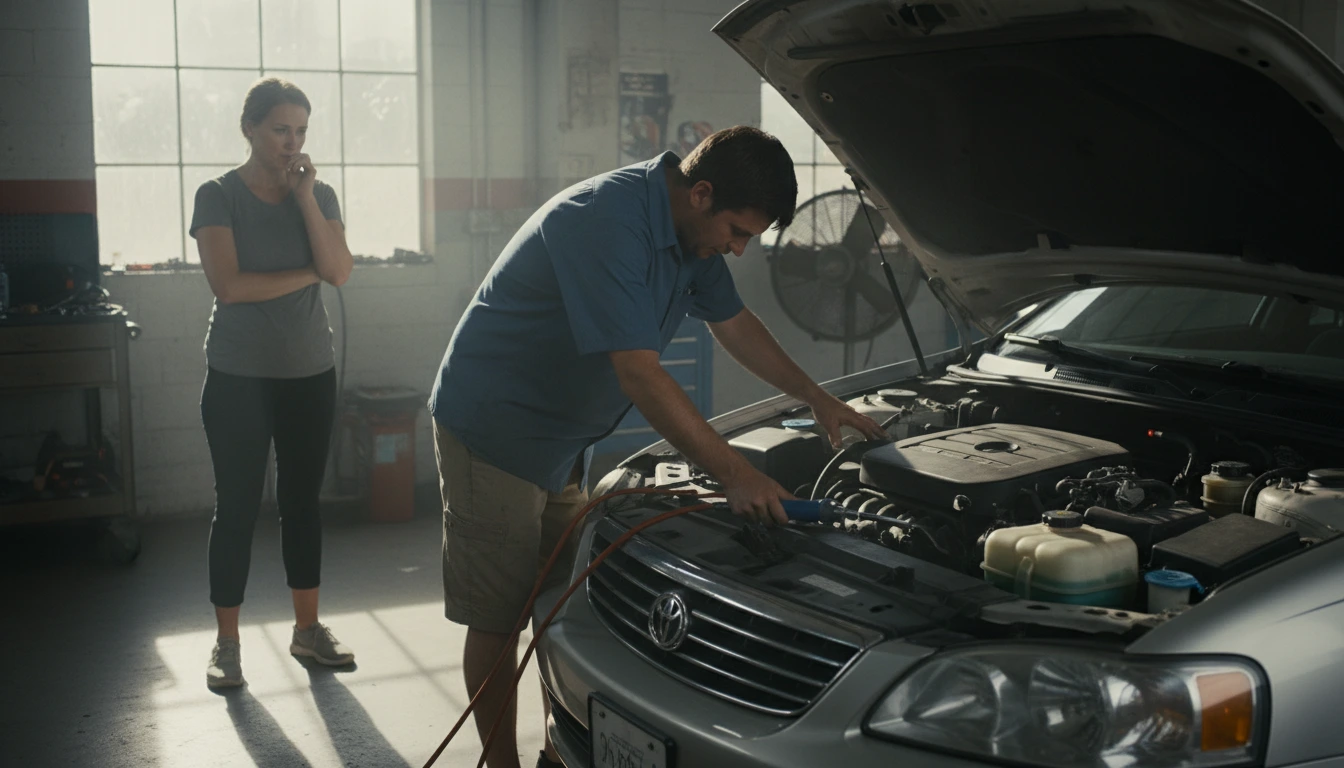
Summer in North Alabama hits different. When you walk outside and the heat slaps you in the face like opening an oven door, you know your cooling system is about to work overtime. I remember last July when my neighbor’s AC unit gave up right in the middle of a heat wave. The temperature outside was pushing 98 degrees, and inside her house felt like a sauna. That’s when I learned just how hard North Alabama summers can be on HVAC systems.
How North Alabama’s Summer Heat Affects Your Cooling System
The Challenge of High Temperatures and Humidity
North Alabama doesn’t just give you heat. It gives you humidity that makes the air feel thick enough to chew. When I moved here five years ago from Arizona, I thought I knew what hot weather meant. Boy, was I wrong. The difference is that dry heat versus wet heat, and your air conditioning system feels that difference big time.
Your AC has two jobs in summer. It needs to cool the air and pull out moisture. In Alabama, the second job is actually harder than the first. When the air outside is loaded with water, your system works double-time trying to squeeze that humidity out. According to the U.S. Department of Energy, HVAC systems can account for nearly 50 percent of your home energy use during peak summer months. That number jumps even higher when your system fights against high humidity.
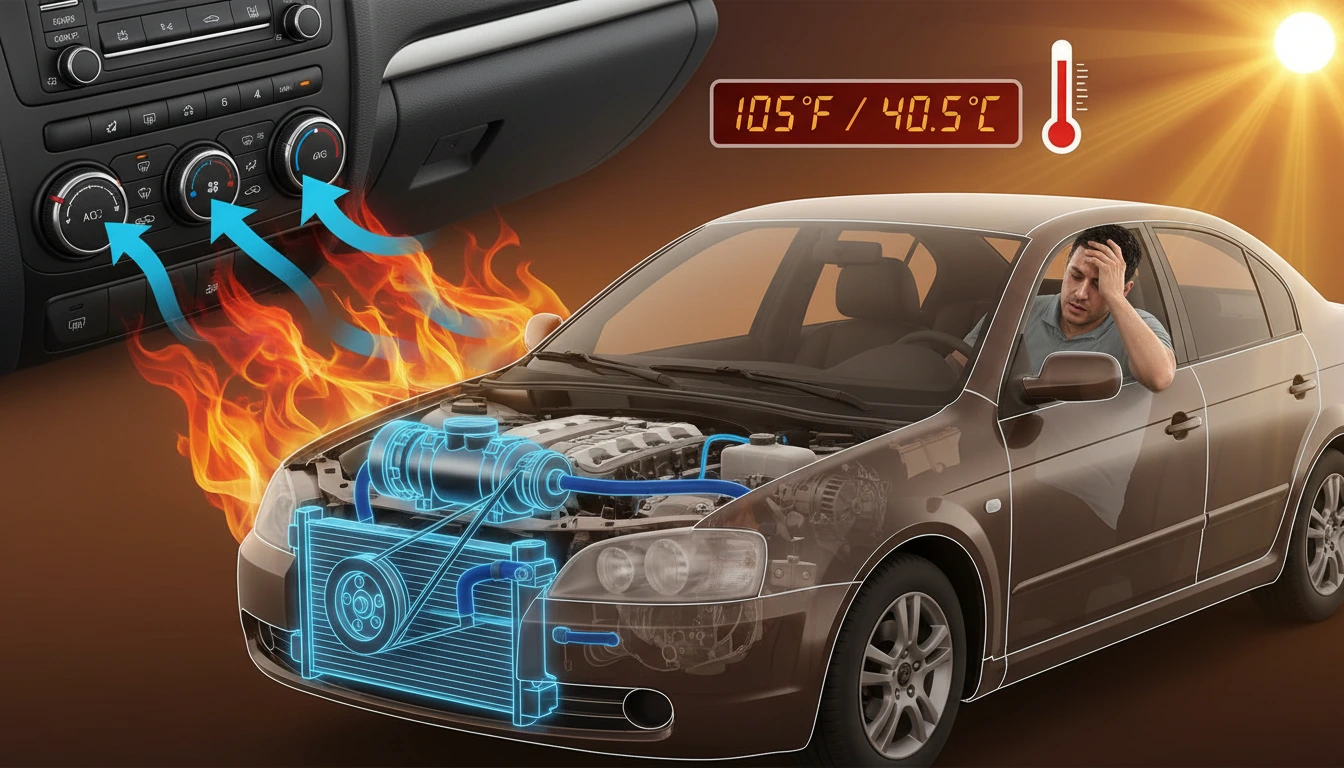
The outdoor unit sitting next to your house runs almost nonstop on those brutal days. I’ve watched mine cycle on and off, and during peak summer, it barely gets a break. Heat stress on the compressor and other parts means more wear and faster aging. Most cooling systems are built to handle about a 20-degree difference between outside temperature and your thermostat setting. When it’s 95 or hotter outside and you want 72 inside, you’re pushing past what the system was designed for.
Why Your AC Works Harder in Alabama Summers
Here’s something most people don’t know. Your air conditioner isn’t really made to cool your home down from scratch every day. It works best when it just maintains a steady temperature. But in North Alabama, with our wild temperature swings and constant humidity, your system never gets that easy maintenance mode.
I talked to a local HVAC technician last summer who explained it like this. Your AC unit is like a runner. A runner can jog for hours at a steady pace. But if you make that same runner sprint up a hill, stop, sprint again, and repeat, they’ll burn out fast. That’s what Alabama weather does to your cooling system. The constant start-stop in high heat and humidity wears down parts faster than running steady in milder climates.
Airflow gets restricted when filters clog up with our thick pollen and dust. Outdoor coils get covered in cottonwood fuzz and other debris that floats around every spring and summer. All of this makes your system work even harder to push cool air through your home. The harder it works, the more energy it uses, and the higher your bills climb.
Common Problems Your Cooling System Faces in Summer
Frozen Evaporator Coils and What Causes Them
The first time I saw ice forming on my AC coils in the middle of July, I thought I was losing my mind. How does ice form when it’s 90 degrees outside? Turns out, this is super common in Alabama homes, and it happens for a few reasons.
When your system runs constantly trying to keep up with the heat, and you have the thermostat set really low, the evaporator coils get too cold. Add in our crazy humidity, and that moisture in the air freezes right on the coils. Once ice forms, it blocks airflow, which makes the coils get even colder, which creates more ice. It’s a nasty cycle that can shut down your whole system.
Dirty filters make this worse. If air can’t flow freely over the coils, they drop below freezing temperature. I learned this the hard way when I forgot to change my filter for three months straight. The ice buildup got so bad that water dripped all over my floor when it finally melted. Now I check my filters every month without fail.
Low refrigerant levels also cause frozen coils. If your system is low on refrigerant, the pressure drops and the coils get too cold. This usually means you have a leak somewhere that needs professional fixing. A study published by the Air Conditioning Contractors of America found that improper refrigerant charge is one of the most common causes of AC failure and reduced efficiency (source: https://www.acca.org/).
Humidity Control Issues in North Alabama Homes
Humidity in North Alabama is no joke. Some days in summer, stepping outside feels like walking into a wet towel. Your home shouldn’t feel that way inside, but sometimes it does even when the AC is running.
I noticed this in my own house last year. The temperature said 72 degrees, but everything felt damp and sticky. My windows had condensation on them in the morning. That’s when I realized my AC was cooling but not dehumidifying properly. The system was too big for my house, so it cooled the air so fast that it shut off before pulling out enough moisture.
This is called short cycling, and it’s a big problem in Alabama. When an oversized unit cools your home too quickly, it runs in short bursts. Those short runs don’t give the system time to remove humidity from the air. You end up with a cool but clammy house that still feels uncomfortable.
High humidity inside your home causes other problems too. Mold and mildew love wet air. I’ve seen mold grow on walls and in ducts when humidity stays above 60 percent for too long. Your condensate drain line can also clog with algae and mold growth when there’s too much moisture in the system. Condensate drain problems are especially common in our region because AC systems pull out gallons of water every day during peak summer.
How Geography Makes North Alabama Cooling Unique
Tennessee Valley Weather Patterns and Your HVAC
Living in the Tennessee Valley means dealing with weather that can change faster than you can check your phone. I’ve seen days where we started at 65 degrees in the morning and hit 95 by afternoon. Those rapid temperature swings are hard on your HVAC system.
Your cooling system has to adjust constantly. When temperatures jump 30 degrees in a few hours, your AC kicks into overdrive trying to keep up. This constant adjustment stresses all the parts. Control boards, compressors, and motors all work harder when they can’t settle into a steady rhythm.
We also get more thunderstorms than a lot of places. Those storms bring power fluctuations and outages that can damage sensitive HVAC components. I’ve had neighbors lose their entire system to a lightning strike that came through the electrical lines. Surge protection is not optional here. It’s necessary if you want to protect your investment.
The valley geography traps pollen and particulates too. Spring through fall, the air fills with tree pollen, grass pollen, and all kinds of plant matter. This stuff clogs outdoor coils and filters way faster than in other regions. You can’t just change your filter every three months in North Alabama. You need to check it monthly and change it when it looks dirty.
Red Clay Soil and Outdoor Unit Problems
North Alabama’s famous red clay soil causes problems most people never think about. That sticky clay holds water like a sponge and shifts when it freezes or gets soaked. Your outdoor unit sits on a concrete pad in that soil, and over time, the ground moves.
I’ve watched my neighbor’s unit slowly tilt over two years because the pad under it sank into the clay. When your unit isn’t level, it stresses the refrigerant lines and can cause leaks. The compressor also works less efficiently when it’s tilted. Most people don’t notice until the system starts having problems, but by then, damage might already be done.
Standing water is another issue with our soil. After heavy rain, water pools around outdoor units in low spots. I learned this when a storm left three inches of water sitting around my AC for two days. Water got into the electrical parts and fried the control board. The warranty didn’t cover it because water damage isn’t included. That was a $600 lesson I won’t forget.
Clay soil also promotes vegetation growth right up against your unit. Plants and bushes love that moist clay, and before you know it, your outdoor unit is buried in greenery. You need at least two feet of clearance all around the unit for proper airflow. I trim back the plants around mine twice a summer because they grow so fast in our climate.
Signs Your Cooling System Is Struggling
When to Call a Professional
Knowing when to call for help saved me from a total system breakdown last summer. My AC started making a grinding noise on a Friday afternoon. Instead of waiting until Monday, I called right away. The technician found that the compressor was about to fail. He fixed it before it completely died and took out other parts with it.
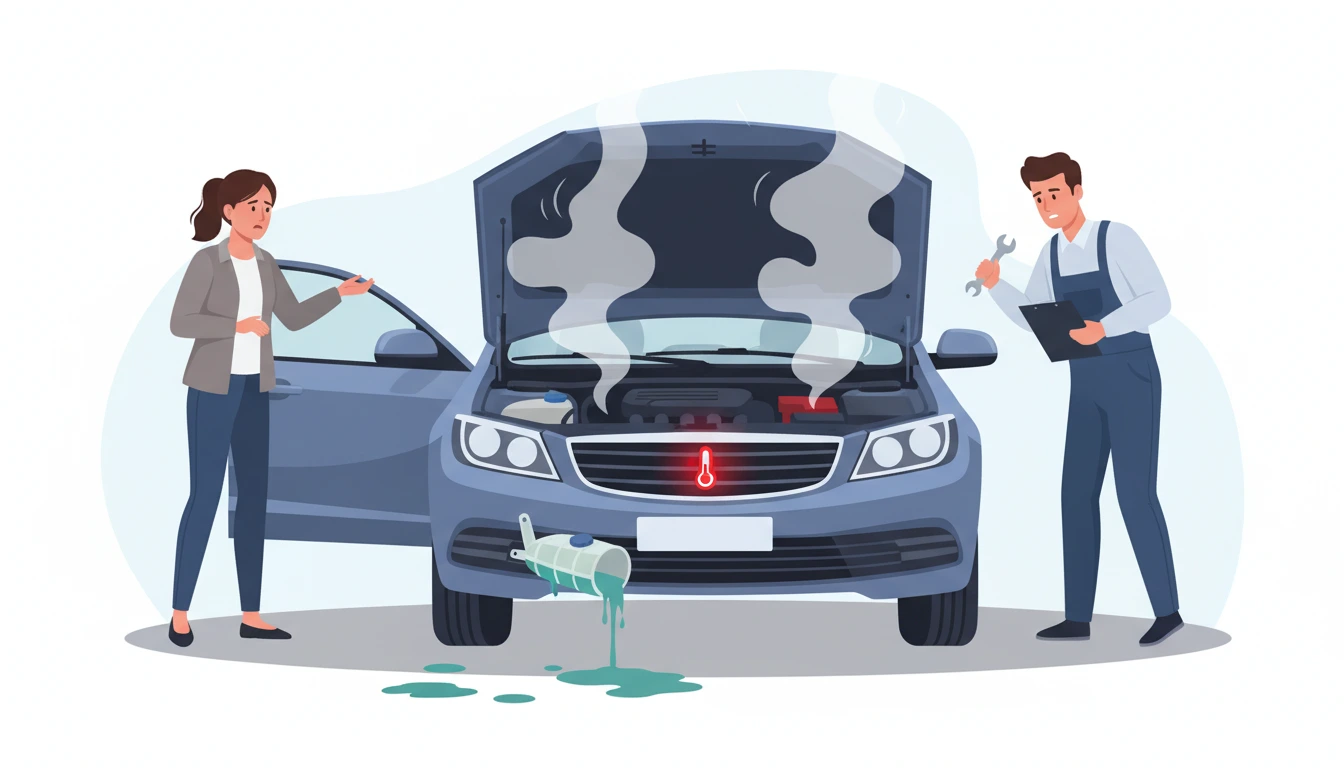
Strange noises mean something is wrong. Grinding, squealing, or banging sounds don’t fix themselves. If your system is making noise it didn’t make before, get it checked. The same goes for weird smells. A burning smell could mean electrical problems. A musty smell usually points to mold in the ducts or a clogged drain line.
Weak airflow from your vents is another red flag. When I noticed my bedroom wasn’t getting much cool air last year, I checked and found that ductwork had come loose in the attic. Hot attic air was leaking into the ducts before the cool air could reach my room. Fixing that one leak dropped my energy bills by about 15 percent.
If your AC runs constantly but your home stays warm, something is definitely wrong. This happened to my sister last month. Her system ran nonstop for three days straight, and the house never got below 78 degrees. The problem was low refrigerant from a slow leak. A professional found it, fixed it, and recharged the system. Her house cooled down within an hour after the repair.
Warning Signs You Should Never Ignore
Some problems need immediate attention. Water leaking inside your home from the AC means your condensate drain is clogged or the drain pan is full. This can cause serious water damage if you don’t fix it fast. I’ve seen ceilings collapse from AC leaks that went unnoticed for weeks.
Ice on your outdoor unit or refrigerant lines is not normal. People sometimes think ice means the system is working extra hard to cool, but that’s backwards. Ice means something is wrong with airflow or refrigerant levels. Turn the system off and call for help before the problem gets worse.
High energy bills that spike suddenly tell you your system is working harder than it should. When my bill jumped $80 in one month with no change in how I used the AC, I knew something was off. The technician found that my coils were so dirty that the system was running 50 percent longer to cool the same amount.
Short cycling is when your AC turns on and off every few minutes instead of running for longer periods. This wears out your system fast and costs you money. Short cycling can happen from an oversized unit, a bad thermostat, or refrigerant problems. Whatever the cause, it needs fixing soon to prevent bigger issues.
Simple Ways to Help Your Cooling System Beat the Heat
Regular Maintenance Saves Money and Headaches
I used to skip maintenance because it seemed like an extra expense I didn’t need. Then my AC died in August and the repair cost me $1,200. That’s when I learned that spending $150 on a spring tune-up could have prevented the whole mess.
Regular maintenance catches small problems before they turn into big ones. A technician checks your refrigerant levels, cleans the coils, inspects electrical connections, and makes sure everything works right. They spot worn parts and replace them before they fail. According to ENERGY STAR, proper maintenance can improve your AC efficiency by up to 15 percent.
I schedule my maintenance every spring now, usually in April before the real heat hits. The technician who comes out knows my system and keeps notes about what he finds each year. Last spring, he noticed my compressor was starting to sound different and said to watch it. Sure enough, it needed replacing this fall, but because we caught it early, I could plan and budget for it instead of dealing with an emergency.
Maintenance also extends your system’s life. Most AC units last 10 to 15 years with proper care. Without it, you might only get seven or eight years. That difference adds up to thousands of dollars over time. Plus, many warranties require regular maintenance or they won’t cover repairs. It’s worth checking your warranty to see what it requires.
Air Filter Changes and Why They Matter
Changing filters is the simplest thing you can do for your cooling system, and most people still don’t do it enough. I used to think every three months was fine, but in North Alabama, monthly checks are better. Our air is too dirty to wait longer.
A dirty filter blocks airflow, which makes your system work harder and use more energy. Think of it like trying to breathe through a straw. Your lungs would work overtime, and you’d get tired fast. Same thing happens to your AC with a clogged filter. Airflow restriction also makes coils freeze and causes temperature problems throughout your home.
I keep a stack of filters in my garage so I always have them when I need one. Every month on the first, I check the filter. If it looks gray or dirty, I swap it out. During peak pollen season in spring, I sometimes change it every two weeks because it gets so nasty so fast. The difference in how my system runs is noticeable. The air blows stronger, the house cools faster, and my energy bills stay lower.
Filters aren’t expensive. You can buy a decent one for $5 to $15. Even if you change it every month, that’s maybe $150 a year. Compare that to the hundreds or thousands you’ll pay if a dirty filter causes bigger problems. It’s the best return on investment you’ll find for HVAC maintenance.
Smart Upgrades That Make a Real Difference
Should You Replace Your Old AC Unit?
This is a tough question because a new AC unit costs serious money. But sometimes replacement makes more sense than repair. My parents faced this choice last year when their 18-year-old system finally quit.
The repair would have cost $1,400 to fix the compressor. A new energy-efficient unit cost $4,500 installed. At first, the repair seemed smarter. But their old system had a SEER rating of 10. New units now come with SEER ratings of 16 or higher. The energy savings alone would pay back the difference in about five years. Plus, they’d have a warranty and wouldn’t face another major repair for a decade.
If your system is more than 10 years old and needs a major repair<span style=”font-weight: 400;”> that costs more than half what a new unit would cost, replacement is usually the better move. You’ll get better efficiency, lower energy bills, and modern features like variable speed motors and better humidity control. A new unit also works with smart thermostats and other technology that makes comfort easier to manage.
SEER ratings matter more in Alabama than in milder climates. Your AC runs so many hours in summer that better efficiency actually shows up in your bills. Going from a SEER 10 unit to a SEER 16 unit can cut your cooling costs by 40 percent or more. Look for ENERGY STAR certified units when you shop. Many come with rebates from power companies that lower the upfront cost.
Smart Thermostats for Alabama Homes
I was skeptical about smart thermostats until my wife convinced me to try one two years ago. Now I can’t imagine going back to the old manual thermostat we had before. The thing basically pays for itself in energy savings.
A smart thermostat learns your schedule and adjusts temperature automatically. We wake up at 6 AM on weekdays, so the thermostat makes sure the house is cool by then. During the day when we’re at work, it lets the temperature rise to 80 degrees to save energy. Then it cools back down before we get home. I never have to think about it.
You can control smart thermostats from your phone, which is amazing when plans change. If we’re going to be late getting home, I push our arrival time back and save money by not cooling an empty house. If we’re coming home early, I can tell it to start cooling ahead of time. The app also shows me how much energy I’m using and suggests ways to use less.
According to a study by Nest, their smart thermostat saves users an average of 10 to 12 percent on heating bills and 15 percent on cooling bills. In North Alabama where AC runs so much, those savings add up fast. My bills dropped about $25 a month in summer after installing the smart thermostat. That’s $300 a year, and the thermostat only cost $250. It paid for itself in less than a year.
Energy Saving Tips for North Alabama Homeowners
Using Ceiling Fans the Right Way
Ceiling fans don’t actually cool the air, but they make you feel cooler by moving air across your skin. This lets you set the thermostat a few degrees higher without feeling uncomfortable. Every degree you raise the thermostat in summer saves about three percent on cooling costs.
The trick is making sure your fans spin the right direction. In summer, ceiling fans should turn counterclockwise when you look up at them. This pushes air down and creates that cooling breeze. Most fans have a small switch on the side that changes direction. I didn’t know this for years and ran my fans backward every summer, wondering why they didn’t help much.
Use fans only in rooms where people are actually spending time. Fans cool people, not rooms, so running one in an empty bedroom wastes energy. I turn them off whenever I leave a room. This simple habit saves a few dollars each month and doesn’t require any sacrifice in comfort.
Ceiling fans let me keep my thermostat at 76 degrees instead of 72, and I honestly can’t tell the difference when the fans are on. That four-degree difference cuts my cooling costs by about 12 percent. Over a whole summer in Alabama, that adds up to real money. Plus, my AC doesn’t run as hard, which means less wear and fewer repairs down the line.
Sealing Leaks and Adding Insulation
Sealing leaks around windows, doors, and ducts was the single best thing I did to lower my energy bills. Hot air sneaking into your home makes your AC work way harder than it should. Even small leaks add up when you’re dealing with North Alabama heat.
I spent a weekend last year with a tube of caulk and some weatherstripping, going around every window and door. I found gaps I didn’t even know existed. Some were big enough to stick my finger through. Sealing those gaps made my house cool down faster and stay cooler longer. My AC ran about 20 percent less after I fixed the leaks.
Attic insulation makes a huge difference too. Heat rises, and in summer, your attic gets blazing hot. Without enough insulation, that heat radiates down through your ceiling into your home. Adding insulation keeps that heat trapped in the attic where it belongs. The U.S. Department of Energy recommends R-30 to R-60 insulation for attics in our region (source: https://www.energy.gov/energysaver/insulation).
Ductwork leaks are sneaky because you can’t see them, but they waste tons of energy. If your ducts run through your attic or crawlspace, any leaks mean you’re cooling those unconditioned spaces instead of your home. I had a professional seal my ducts with mastic, and it made a noticeable difference. My vents blew stronger, and my bills dropped.
Conclusion
Summer heat in North Alabama puts serious stress on your cooling system, but you’re not helpless against it. Understanding how our unique climate, geography, and weather patterns affect your AC helps you take better care of it. Simple steps like changing filters monthly, scheduling spring maintenance, and sealing air leaks make a real difference in how your system performs and how much you pay to stay cool.
The fight between summer heat and your cooling system doesn’t have to be a losing battle. With the right knowledge and a little effort, you can keep your home comfortable all summer without breaking the bank or burning out your AC before its time. Take care of your system, and it will take care of you through even the hottest Alabama summers.
FAQs
What temperature should I set my thermostat to in Alabama summer?
For the best balance between comfort and energy savings, set your thermostat to 78 degrees when you’re home. This temperature keeps most people comfortable while not overworking your AC in Alabama’s heat. When you’re away from home or sleeping, you can raise it to 82-85 degrees to save even more energy. Use ceiling fans to help you feel cooler at higher thermostat settings. Every degree you raise the thermostat saves about three percent on cooling costs.
How often should I change my AC filter during summer?
In North Alabama, you should check your filter every month during summer and change it whenever it looks dirty. Our high pollen counts and humidity make filters get dirty faster than in other places. Some homes might need a new filter every two weeks during peak pollen season. If you have pets, allergies, or a lot of dust in your home, change filters even more often. A clean filter helps your AC run better and use less energy.
Why does my AC run all the time when it’s really hot?
Your AC running constantly during extreme heat is actually normal in North Alabama. Most cooling systems are designed to maintain about a 20-degree difference between outside and inside temperatures. When it’s 95 degrees or hotter outside, your AC has to work nonstop to keep your home at 75 degrees. This isn’t necessarily a problem unless your home isn’t reaching the temperature you set or your energy bills seem unusually high. If those things happen, you might have leaks, low refrigerant, or other issues that need professional attention.
Is it normal for my AC to struggle when it’s above 95 degrees?
Yes, it’s normal for your AC to struggle a bit when temperatures climb above 95 degrees in North Alabama. Systems are typically sized to handle temperatures in the low 90s efficiently. When heat goes higher than that, especially with our high humidity, your unit works much harder and might not keep your home quite as cool as usual. However, if your home can’t stay within a few degrees of your thermostat setting, or if the AC is blowing warm air, those are signs of a problem that needs checking by a technician.
How can I lower my summer energy bills in North Alabama?
You can lower your summer energy bills by changing filters monthly, sealing air leaks around windows and doors, adding attic insulation, using ceiling fans, and setting your thermostat to 78 degrees instead of lower temperatures. Schedule regular maintenance in spring to keep your system running efficiently. Use blinds or curtains to block sunlight during the hottest parts of the day. Run heat-producing appliances like ovens and dryers in the evening when it’s cooler. Consider upgrading to a smart thermostat that adjusts temperature based on when you’re actually home. These small changes add up to significant savings over a summer in Alabama.