
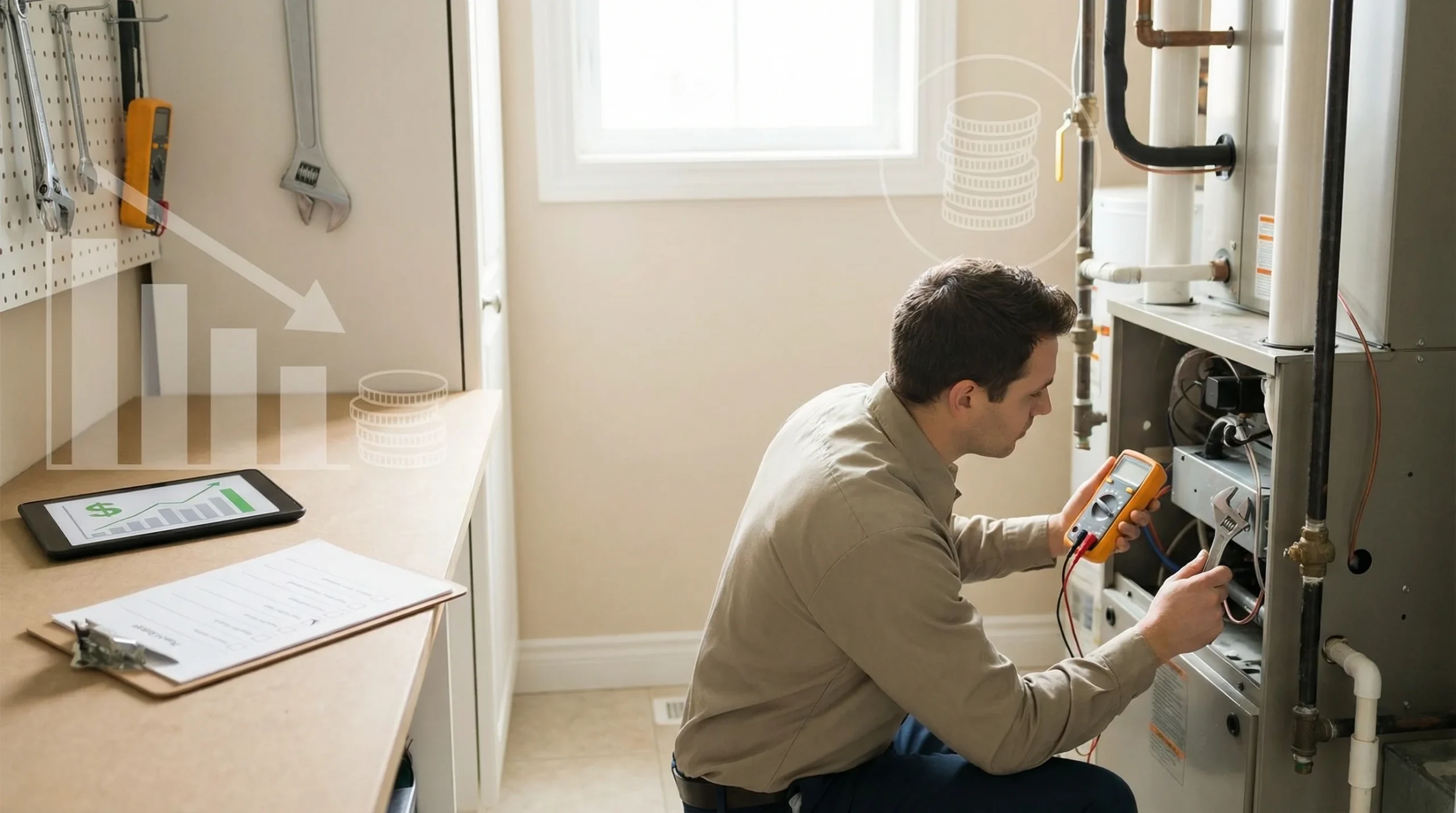
Most people hear “preventive maintenance” and think it just means changing the oil in your car. But honestly, it’s so much bigger than that. Whether you run a factory, manage a building, or even just own a home, preventive maintenance is one of the smartest things you can do to protect your time, money, and sanity — all at once.
What Is Preventive Maintenance, Really?
Preventive maintenance (also called PM) means taking care of your equipment, machines, or systems before something breaks. You don’t wait for a machine to stop working. Instead, you follow a scheduled maintenance plan — checking parts, cleaning filters, tightening bolts, replacing worn pieces — all on a regular timeline.
Think of it like visiting the dentist every six months instead of waiting until your tooth hurts so bad you can’t sleep. The proactive approach is almost always cheaper and less painful.
According to NetSuite, preventive maintenance is “a systematic approach to equipment management that calls for scheduled inspections and servicing of equipment — the idea being to catch and repair potential issues before they become serious, and expensive, problems or failures.”
Simple enough, right? Let’s talk about what it actually saves you.
The Real Cost of Skipping Maintenance
I’ve seen this happen firsthand. A facility manager I know used to laugh off his HVAC system’s annual inspection. “It’s running fine,” he’d say. Two winters later, the whole unit failed in the middle of January. The emergency repair? Over $15,000. The annual checkup he skipped? About $300.
That’s not a rare story. It’s actually very common.
According to a report by Honeywell, reactive maintenance costs up to 2–5 times more than a planned maintenance approach. That means every dollar you save by skipping a routine checkup could cost you five dollars later — or more.
And it’s not just about the repair bill. When equipment breaks down without warning, you also lose production time, frustrate customers, and sometimes put workers at risk. The total cost of unplanned downtime goes far beyond the repair invoice.
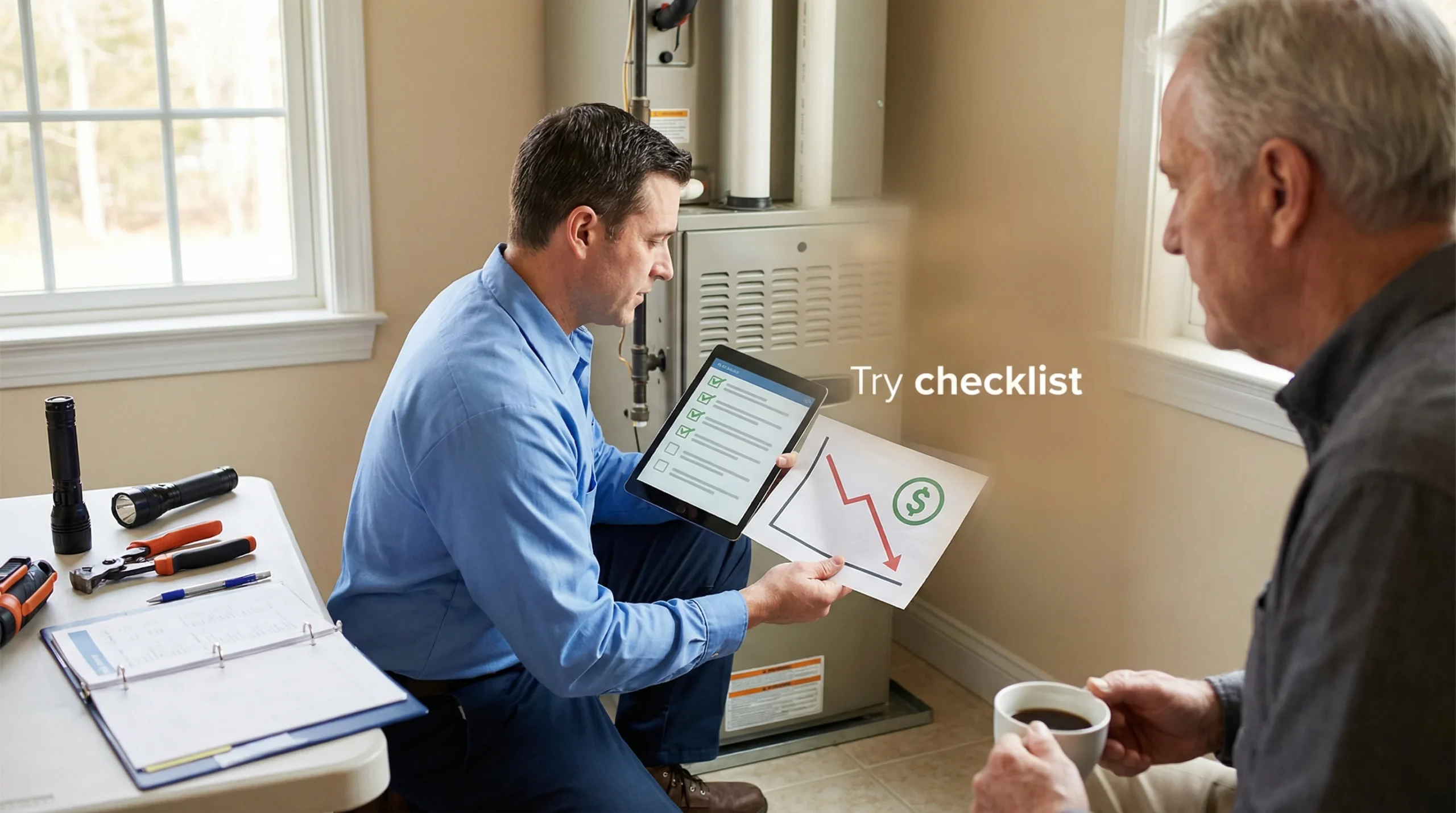
What Preventive Maintenance Actually Saves You
It Saves You a Huge Amount of Money
Let’s start with the big one — money. This is why most businesses first get serious about PM programs.
The “Rule of 10” in preventive maintenance is well known in the industry: for every $1 you spend on preventive care, you save $10 in future repair costs and downtime costs. That’s not a guess — that’s a documented principle tracked by facilities teams worldwide, cited by NetSuite.
Even on a smaller scale, a study referenced in Fiix Software’s maintenance guide shows that $1 spent on preventive care saves $4–$5 in deferred failure or rehabilitation costs. That applies to pavement, buildings, machines — almost any physical asset.
Predictive maintenance strategies, which are an advanced form of PM that use sensors and data, can deliver an 18–25% cost savings according to a report from McKinsey & Company. When you multiply those savings across dozens of machines in a manufacturing facility, you’re talking about millions of dollars over time.
The money savings come from several places all at once: fewer emergency repairs, lower spare parts inventory costs, less labor overtime, reduced energy consumption, and delayed need to buy new equipment. All of that adds up fast.
It Extends the Life of Your Equipment
Here’s something most people don’t think about: well-maintained equipment lasts longer. A lot longer.
According to FMX, 78% of companies that track and implement preventive maintenance report seeing an increase in their equipment’s lifespan. That’s a huge number. It means you can keep using the same machines, vehicles, or systems for more years before needing to replace them.
And replacing equipment is expensive. A new industrial machine can cost tens of thousands of dollars. A commercial HVAC unit might cost $10,000–$30,000 to replace. When your PM program keeps equipment running well, you push those replacement dates further out — and that directly saves your capital expenditure budget.
The metric that facilities teams use here is called MTBF — Mean Time Between Failures. A higher MTBF means your equipment is failing less often. Good scheduled maintenance directly improves MTBF. When you track this number and use it to fine-tune your maintenance schedule, you get even better results over time.
It Saves You From Costly Unplanned Downtime
Ask any factory manager what their biggest fear is, and they’ll probably say: “the line going down unexpectedly.” Unplanned downtime is not just an inconvenience — it’s one of the most expensive things that can happen to a business.
Think about it this way. If a manufacturing line that produces $50,000 worth of product per hour goes down for four hours because a machine failed, that’s $200,000 in lost production. The repair itself might cost only a few thousand dollars. But the lost output, the rush to fix it, the workers standing around — all of that adds up fast.
A solid PM program doesn’t eliminate all breakdowns, but it dramatically reduces them. According to FMX, only 10% or less of industrial equipment truly wears out from proper use — meaning 90% of mechanical failures are from preventable problems. That’s a staggering number. It means almost all unexpected breakdowns can be avoided with a good preventive maintenance plan in place.
When you plan your maintenance tasks during natural production slowdowns — nights, weekends, scheduled shutdowns — you avoid interrupting your workflow. The downtime is on your terms, not the machine’s.
It Protects Worker Safety
I think this one doesn’t get talked about enough. Preventive maintenance isn’t just about saving money — it’s about keeping people safe.
Machines and equipment that are poorly maintained are more likely to malfunction in dangerous ways. A faulty conveyor belt, a pressure valve that hasn’t been inspected, an electrical system with worn insulation — these aren’t just mechanical problems. They’re safety hazards.
According to SafetyCulture, proper equipment maintenance reduces the risk of workplace accidents and helps businesses stay compliant with health and safety regulations. And from a business perspective, the legal liability of a workplace injury — including medical bills, lawsuits, and regulatory fines — can dwarf any savings from skipping a maintenance schedule.
One study highlighted by Honeywell found that risks of non-compliance can be reduced by 66% with timely inspections and maintenance. That’s not just good for safety — it keeps you on the right side of OSHA regulations and industry standards.
It Improves Energy Efficiency and Lowers Utility Bills
Here’s a savings area most people completely miss: energy costs.
When equipment is dirty, worn, or not properly calibrated, it uses more energy to do the same job. A clogged air filter makes your HVAC system work harder. A poorly lubricated motor runs hotter and draws more electricity. Old seals on refrigeration units let cold air escape, making the compressor run longer.
According to Fujifilm’s maintenance resource, keeping equipment in good working condition reduces energy consumption, which directly decreases utility bills and your environmental impact.
In large facilities, this can mean thousands of dollars saved every month just by keeping filters clean, motors lubricated, and systems calibrated. It’s quiet money — you don’t always notice it — but it’s very real. And as energy costs continue to rise, this benefit only grows.
It Boosts Productivity and Team Morale
When machines work reliably, your team works reliably too. That sounds simple, but the effect on productivity is real and measurable.
SafetyCulture points out that inadequate maintenance may result in a 20% decrease in a company’s production capacity. Twenty percent. That’s not a small thing. That’s one out of every five potential work hours being lost because equipment isn’t performing as it should.
When workers know their tools and machines are in good shape, they can focus on doing their jobs instead of worrying about what might break next. Morale goes up. Frustration goes down. And in schools and office environments, a comfortable, well-maintained space is proven to increase productivity — whether that means a working HVAC system in summer or a safe staircase in a multi-story building.
Preventive vs. Reactive Maintenance: A Simple Comparison
To really understand why preventive maintenance is worth it, it helps to see it side by side with the alternative — reactive maintenance, which just means fixing things after they break.
| Preventive Maintenance | Reactive Maintenance | |
| When work happens | Planned, scheduled | After a breakdown |
| Cost | Low, predictable | High, unpredictable |
| Downtime | Scheduled, minimal | Unplanned, often long |
| Equipment lifespan | Extended | Shortened |
| Worker safety | Higher | Lower |
| Stress level | Low | Very high |
The reactive approach feels cheaper in the short term — you’re not spending money until something breaks. But as the numbers show, you end up paying far more in the long run through emergency repairs, downtime losses, and shorter equipment lifespans.
How to Start a Simple Preventive Maintenance Program
You don’t need fancy software or a huge team to get started with PM. Here’s a simple way to begin.
First, make a list of every piece of equipment or system that’s important to your operation. Then find the manufacturer’s recommended maintenance schedule for each one — most equipment manuals include this. Create a simple calendar (even a paper one works) that shows when each task needs to be done: filter changes, lubrication, inspections, calibrations, and so on.
Assign someone responsible for each task. Keep a log of what was done, when, and by whom. That record is valuable — it helps you spot patterns, plan for future needs, and prove compliance if required.
As you grow, you can move to a CMMS (Computerized Maintenance Management System), which automates PM scheduling, tracks work orders, and generates reports. But you don’t need it on day one. A consistent, simple plan executed regularly will already save you significant time and money.
Conclusion
Preventive maintenance is not just a technical practice for big factories. It’s a smart habit for anyone who owns or manages assets — whether that’s a building, a fleet of vehicles, a production line, or even a home.
The savings are real: fewer emergency repairs, longer equipment lifespan, lower energy bills, better worker safety, reduced downtime, and improved productivity. And the math is hard to argue with — spending a little regularly saves you from spending a lot suddenly.
Honestly, the question isn’t “can I afford to do preventive maintenance?” It’s “can I afford not to?”
If you’ve been putting off that inspection or pushing back that scheduled service, I’d encourage you to put it on the calendar this week. Your future self — and your wallet — will thank you.
Frequently Asked Questions
What is the main goal of preventive maintenance?
The main goal of preventive maintenance is to keep equipment working well by taking care of it before it breaks. Instead of waiting for something to fail, you check it regularly, fix small problems early, and follow a scheduled maintenance plan. This reduces unplanned downtime, extends asset lifespan, and saves money on expensive emergency repairs.
How much money can preventive maintenance actually save?
A lot. The widely cited “Rule of 10” says that for every $1 spent on preventive maintenance, you save $10 in future repair and downtime costs. Research also shows that reactive maintenance costs 2–5 times more than a planned approach. Over time, a good PM program can save businesses thousands — or even millions — of dollars depending on the size of the operation.
What types of equipment benefit most from preventive maintenance?
Almost any equipment benefits, but preventive maintenance is especially important for equipment that is expensive to replace, critical to daily operations, or hazardous if it fails. This includes HVAC systems, manufacturing machinery, conveyor belts, vehicles, electrical systems, and industrial boilers. In simple terms: the more a piece of equipment matters to your operation, the more it needs a good maintenance schedule.
What is the difference between preventive maintenance and reactive maintenance?
Preventive maintenance means you service equipment on a planned schedule before problems occur. Reactive maintenance means you wait until something breaks and then fix it. Reactive maintenance feels cheaper upfront, but it almost always costs more in the long run — through higher repair costs, longer downtime, shorter equipment lifespan, and greater safety risks. Preventive maintenance gives you control; reactive maintenance takes it away.
How do I start a preventive maintenance program with a small team?
Start simple. List all the important equipment you have. Find the manufacturer’s recommended maintenance intervals for each. Build a basic schedule — even a spreadsheet or paper calendar works. Assign each task to a specific person and keep a log of completed work. As your program matures, you can look at using a CMMS to automate PM scheduling and track work orders. The key is consistency — a simple plan done regularly beats a perfect plan done never.