

Your car should not surprise you with scary bills. But it does, and it always seems to happen at the worst time. The truth is simple. Cars that get steady care cost less to own over the years. When you skip the small stuff, you pay for the big stuff later.
I have worked on enough vehicles to know one thing for sure. The drivers who stay calm about money are the ones who follow a plan. They know what is coming. They know roughly what it costs. And they almost never get hit with a shock repair that wrecks their month.
This guide breaks down why consistent maintenance makes your ownership costs steady and easy to plan for. We will look at real numbers, simple habits, and the mistakes that quietly drain your wallet. Let’s get into it.
What “Predictable Ownership Costs” Really Means
Predictable costs mean you can guess your yearly car spending without much stress. You know oil changes are coming. You know tires wear out. You plan for those, and nothing blindsides you. That is the whole goal.
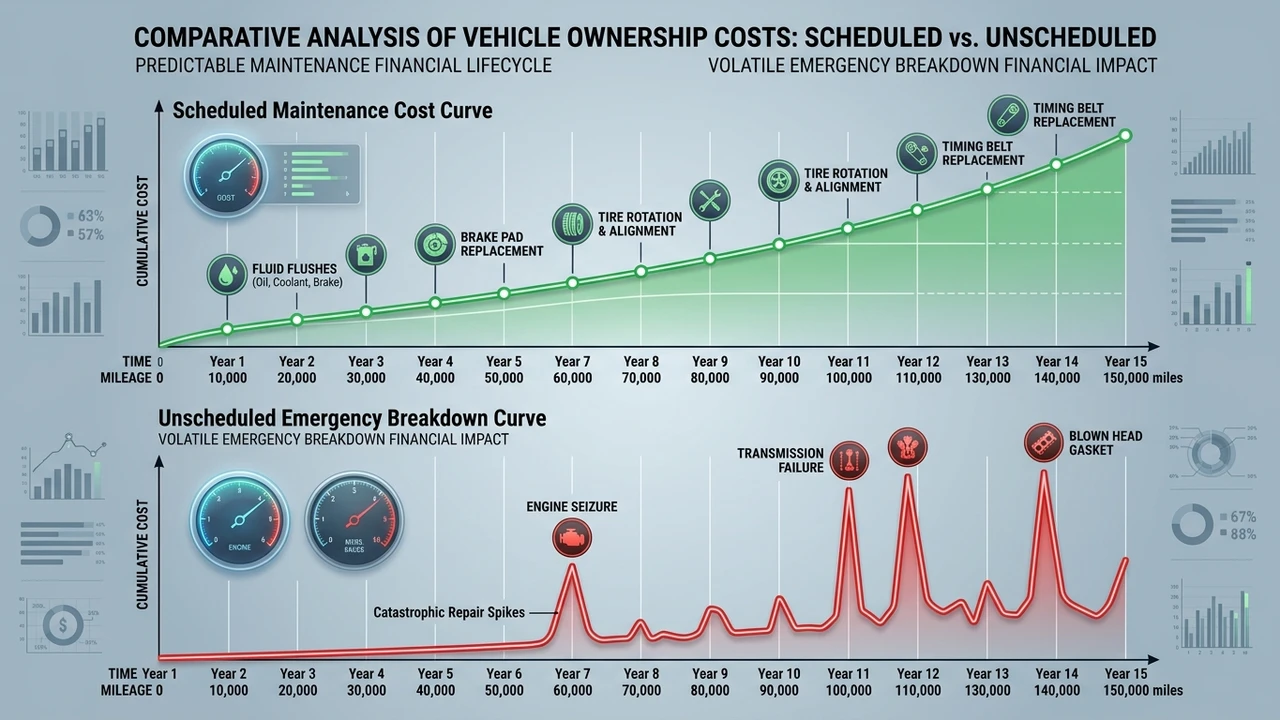
The opposite is chaos. One month you spend nothing, the next month a repair costs you $1,800 out of nowhere. According to AAA, about 1 in 3 U.S. drivers could not pay for an unexpected car repair without going into debt. That gap between “planned” and “surprise” is exactly what steady care fixes.
Think of it like your monthly bills. You know your rent. You know your phone bill. Car care can work the same way when you stay consistent. You trade random big shocks for small, steady, planned expenses you can actually budget around.
When your costs are predictable, you make better financial decisions. You are not scared of your check engine light. You are not delaying work because you feel broke. You just handle small issues early, before they grow teeth and bite your bank account.
How Consistent Maintenance Lowers Your Long-Term Costs
In our field work, I have found that the cheapest car to own is almost never the newest one. It is the one that got routine care from day one. Steady oil changes, filter swaps, and inspections keep the whole machine running clean, and clean machines do not fail as often.
Here is the pattern I see again and again. A driver saves $60 by skipping an oil change. Six months later, that same choice turns into a worn engine part and a $1,200 repair. Studies of driving costs from sources like the U.S. Department of Energy’s fueleconomy.gov note that fixing a serious maintenance problem can improve gas mileage by a noticeable amount, which means neglect costs you at the pump too.
Small care stops the wear chain reaction. One bad part rarely stays alone. A dirty filter strains the engine. A weak belt stresses other parts. When you stay ahead of it, you break that chain before it spreads and gets costly.
This is why preventive care is not an expense. It is a savings plan. Every small service you do on time is a big repair you never have to pay for. If you want the full breakdown of what smart upkeep looks like, our guide on what preventive maintenance really covers walks through it step by step.
The math is boring but powerful. Routine care spreads your spending into small, steady pieces. Neglect stacks it into rare, giant piles. Boring and steady wins the money game every single time.
The Real Cost Difference: Planned Care vs. Surprise Repairs
Let me show you the difference in plain numbers. Below is a simple look at how planned care compares to surprise failures for common car jobs. The gap is bigger than most people think.
| Car Item | Planned Care Cost | Surprise Failure Cost |
|---|---|---|
| Oil & filter (on time) | $60 – $120 | $2,500+ engine damage |
| Timing belt (replaced on schedule) | $500 – $900 | $2,000 – $4,000 engine repair |
| Brake pads (worn) | $150 – $300 | $600 – $1,000 rotors + calipers |
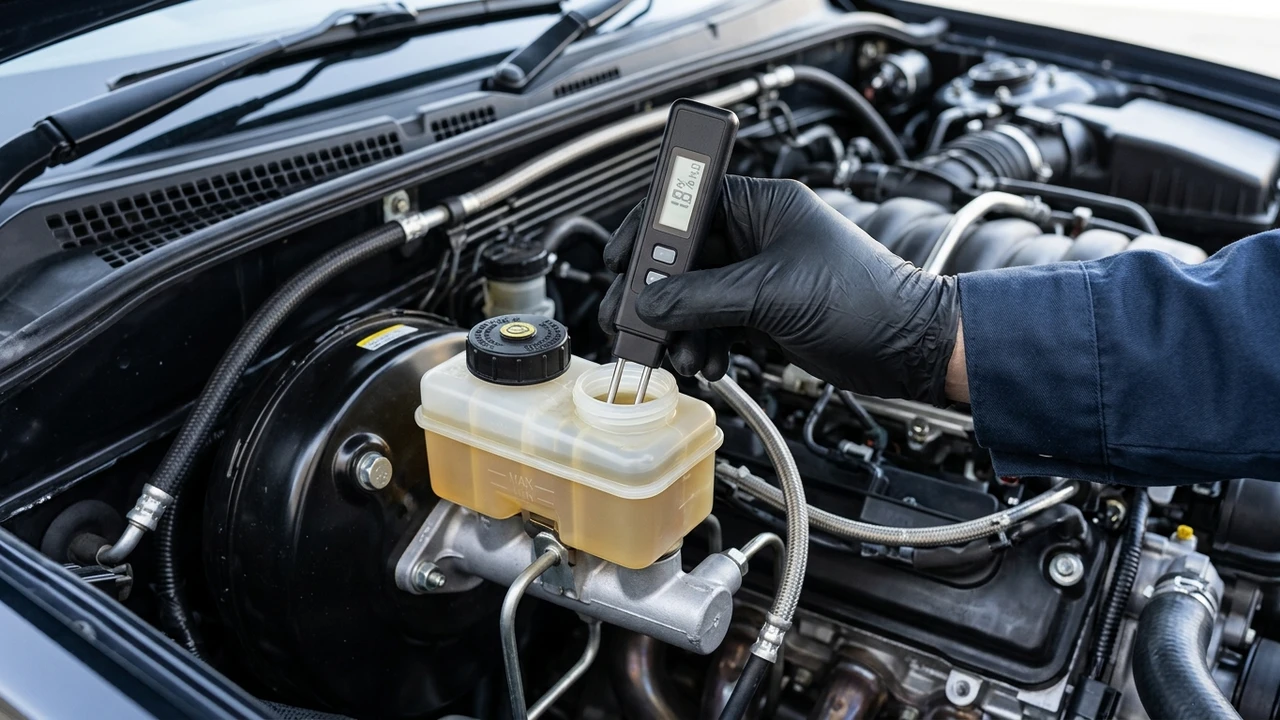
| Coolant flush | $100 – $180 | $1,500+ overheating / head gasket |
| Transmission fluid | $150 – $250 | $3,000 – $5,000 rebuild |
Look at that right column. Those big numbers are what happens when small issues get ignored. A $700 timing belt is a scheduled job. A snapped belt can destroy an engine and cost four times more. That is not bad luck. That is a skipped step.
I have seen drivers cry over a transmission bill that could have been a $200 fluid change a year earlier. The cost of ignoring one item is rarely just that item. It spreads. If you want proof, read the cost of ignoring timing belts and you will never skip that job again.
Planned care keeps you in the left column. That is the whole trick. You stay on the cheap side of the table by acting early, not late.
Small Problems That Turn Into Big Bills
I have handled cases exactly like this before. A driver hears a tiny squeak, ignores it for months, and then calls me when the whole brake system is grinding metal on metal. The $150 job is now a $900 job. The squeak was the warning. The silence after was the damage.
Cars talk to you. They give hints long before they break. A soft noise, a small leak, a warning light. Data from repair shops shows that catching a problem at the “warning” stage costs, on average, about 60% less than fixing it after full failure. The early signal is your cheapest chance to act.
Here are the small signs drivers ignore that later cost big money:
- Squeaky brakes that slowly turn into grinding and rotor damage
- A check engine light left on for weeks while the real problem grows
- Small oil spots in the driveway that mean a leak is draining your engine
- Slow starts in the morning that point to a dying battery or charging fault
- Rough shifting that signals low or dirty transmission fluid
Each of these starts cheap. Each one gets ugly with time. The pattern never changes.
That check engine light deserves special respect. It does not always mean disaster, but it never means “ignore me.” If yours is on and you are unsure what it means, our check engine light anxiety guide helps you tell a small fix from a serious one.
Honestly, the funny part is how loyal these problems are. They wait patiently. They grow quietly. And they always send the bill when you can least afford it. Catch them early and you stay in control.
A Simple Maintenance Schedule You Can Actually Follow
You do not need a fancy app or a garage full of tools. You need a plan you will actually stick to. Most car trouble comes from skipping the easy stuff, not from missing rare deep work. Keep it simple and stay consistent.
Below is a plain schedule that keeps most cars healthy. Reports from the Car Care Council suggest that a majority of vehicles on the road, roughly 77%, need at least one repair or service that owners have been putting off. Do not be part of that group. Follow the basics.
| Service | How Often | Why It Matters |
|---|---|---|
| Oil & filter change | Every 5,000 – 7,500 miles | Protects the engine from wear |
| Tire rotation | Every 5,000 – 8,000 miles | Even tire wear, better grip |
| Brake inspection | Every 12,000 miles | Catches pad wear early |
| Air filter | Every 15,000 – 30,000 miles | Keeps efficiency and power up |
| Coolant flush | Every 30,000 – 60,000 miles | Stops overheating and failures |
| Transmission fluid | Every 30,000 – 60,000 miles | Prevents costly rebuilds |
Write these mileage numbers on a note in your car. Or set a phone reminder. The point is to make the next step obvious so you never wonder “when did I last do this?”
Most drivers do not fail because the work is hard. They fail because they lose track. That is normal life. The maintenance schedule most drivers ignore explains the exact items that slip through the cracks and cost real money.
If you are not sure where your car stands right now, let’s take a look together. We can run a full check and tell you exactly what needs attention and what can wait. No pressure, just a clear picture of your car’s health.
How Preventive Care Protects Your Car’s Value
In our field work, I have found that a car’s resale price is a report card for its maintenance history. Two identical cars, same year, same miles, can sell for very different prices. The one with clean records and steady care wins every time, often by thousands of dollars.
Buyers are smart now. They ask for service records. A well-kept car with proof of routine care can sell for around 10% to 20% more than a neglected twin. That is real money you get back just for taking care of your investment along the way.
Think about what a buyer sees. Clean maintenance logs say the car was loved. Skipped work and warning lights say the car was a gamble. People pay more for the safe bet. Your records are worth cash.
This is also why consistent care is a long game, not a short one. Every oil change and inspection adds a little to the story of a reliable car. When you sell or trade, that story pays you back. Curious how far good care can stretch a car’s life? See how long a car engine can last with proper upkeep.
A protected car is a reliable car, and a reliable car holds its value. That is the quiet reward of doing small things on time. You drive it happy, then you sell it for more.
Why Huntsville Driving Is Hard on Your Car
Our roads here are not gentle. Huntsville has grown fast, and stop-and-go traffic is now a daily thing for most drivers. That kind of driving is rough on brakes, on transmissions, and on engines that never get to fully warm up and cruise.
Heat matters too. North Alabama summers push cooling systems hard. Hot weather can shorten battery life by up to 30%, which is why so many folks here get stranded on the hottest days of the year. Your car works harder in this climate than it would in a mild one.
Short trips add hidden strain. Quick drives to the store never let the engine reach full temperature. That leaves moisture and gunk behind, which speeds up wear over time. Lots of short trips can be tougher on an engine than one long highway drive.
All this local stress is exactly why steady care matters more here, not less. Our deep dive on why Huntsville stop-and-go traffic kills transmissions shows how local driving habits quietly eat away at your car. Knowing your roads helps you protect your ride.
Predictive vs. Preventive: What’s the Difference?
I have seen this pattern many times in my work. People mix up preventive care and predictive care, then wonder why their plan has gaps. They are cousins, not twins. Understanding both helps you spend smarter and avoid downtime.
Preventive maintenance means doing work on a set schedule, no matter what. Oil every 5,000 miles. Belts at a fixed mileage. Predictive care is newer. It uses signs, sensors, and data to catch a part that is about to fail before it does. Fleet studies show predictive methods can cut unexpected downtime by around 35% to 45%.
Here is a simple side-by-side so it clicks:
| Type | How It Works | Best For |
|---|---|---|
| Preventive | Fixed schedule by time or miles | Everyday drivers, simple routines |
| Predictive | Watches wear signs and data | Fleets, high-mileage, complex systems |
| Reactive (avoid) | Fix only after it breaks | Nobody who wants low costs |
For most drivers, solid preventive care is enough to keep costs steady. Fleets and businesses lean on predictive tools because downtime hurts their income directly. Both beat the third option, which is waiting for things to break.
Reactive repair is the most expensive way to own anything. It feels cheap now because you spend nothing today. Then the bills stack up. Steady care, even the simple kind, always wins the long-term math.
How to Budget for Car Care Without Stress
Budgeting for a car is not scary once you break it into small pieces. The mistake most people make is treating car costs as random. They are not random. They follow patterns, and patterns can be planned.
A good rule of thumb is to set aside about $50 to $100 a month for a typical car’s upkeep. Over a year, that quietly covers oil changes, filters, tires spread out, and small repairs. When a job comes up, the money is already there, and your stress stays low.
Here is a simple way to build your car budget:
- Set a monthly amount and move it to a separate savings spot
- List your known jobs by mileage so nothing surprises you
- Add a small buffer for the odd unexpected fix
- Track what you spend so next year’s plan gets sharper
- Fix small things fast so they never become budget-killers
That buffer is the secret. Even the best plan meets a surprise sometimes. A small cushion turns a “crisis” into a “no big deal.” That single habit protects your peace of mind more than anything else.
The drivers who skip planning are the ones who face the ugliest bills. When you avoid care to save money, the savings never last. Our honest look at when skipping maintenance makes repairs far more expensive shows just how fast those “savings” flip into losses.
Common Mistakes Drivers Make
I have solved this problem for hundreds of drivers, and the same handful of mistakes show up over and over. None of them come from bad people. They come from busy lives and a little wishful thinking. Let’s name them so you can dodge them.
The biggest one is “wait and see.” A noise starts, and the driver hopes it goes away. It never does. Data shows that delaying a needed repair raises the final cost by an average of 40% or more once the damage spreads to nearby parts. Hope is not a repair plan.
Here are the mistakes I see most:
- Ignoring warning lights because the car “still drives fine”
- Stretching oil changes way past the recommended miles
- Using cheap parts that fail fast and cost more over time
- Skipping inspections and missing small problems early
- No records kept, which hurts both care and resale value
Another quiet mistake is cheap-part thinking. A bargain part that fails in a year is not a bargain. It is a second bill waiting to happen. This is why we lean toward quality parts, and our note on why we use OEM parts mostly explains the simple truth behind that choice.
To be fair, everyone slips sometimes. The goal is not perfection. The goal is to catch yourself before a small slip becomes a big repair. Stay a little ahead, and you stay in control of your costs.
Final Thoughts
Steady care is the quiet path to predictable ownership costs. When you handle the small stuff on time, the big bills mostly stay away. You trade scary surprises for calm, planned spending you can actually budget around.
The pattern is clear from every angle. Planned care keeps you on the cheap side of the ledger. Neglect drags you to the expensive side, one skipped step at a time. Your records protect your car’s value, and your habits protect your peace of mind.
You do not have to do this alone. If your car is overdue, or you just want a clear picture of its health, let’s run a full check together and map out a simple plan. See exactly what Brian’s Buddies members actually get and how steady support keeps your costs low and steady. Members also enjoy faster answers and quicker repairs when something does come up.
Have you been putting off a car job you know is due? I would love to hear about it. The best time to fix a small thing is always today, while it is still small.
Frequently Asked Questions
How much should I budget for car maintenance each year?
For most everyday cars, plan for around $600 to $1,200 a year, or about $50 to $100 a month. That covers oil changes, filters, tires spread over time, and small repairs. Set the money aside monthly so a needed job never catches you short.
Does regular maintenance really save money in the long run?
Yes, and the gap is big. A skipped $700 timing belt can turn into a $3,000 engine repair. Studies of driving costs show that acting early, at the warning stage, often costs about 60% less than waiting for full failure. Small steady care almost always beats big surprise bills.
What maintenance tasks matter the most?
The basics protect you the most. Focus on these first:
- Oil and filter changes on schedule
- Brake inspections before pads wear down
- Tire rotations for even wear
- Coolant and transmission fluid at the right miles
Nail these, and you prevent most of the expensive failures.
How does maintenance affect my car’s resale value?
A lot. A well-kept car with clean service records can sell for around 10% to 20% more than a neglected one of the same age and miles. Buyers pay more for a reliable car with proof of care. Your records turn steady maintenance into real cash at resale.
Why does driving in Huntsville wear my car faster?
Local stop-and-go traffic, hot summers, and lots of short trips all add strain. Heat alone can cut battery life by up to 30%, and short drives never let the engine fully warm up. That is why consistent care matters even more for drivers in North Alabama.