
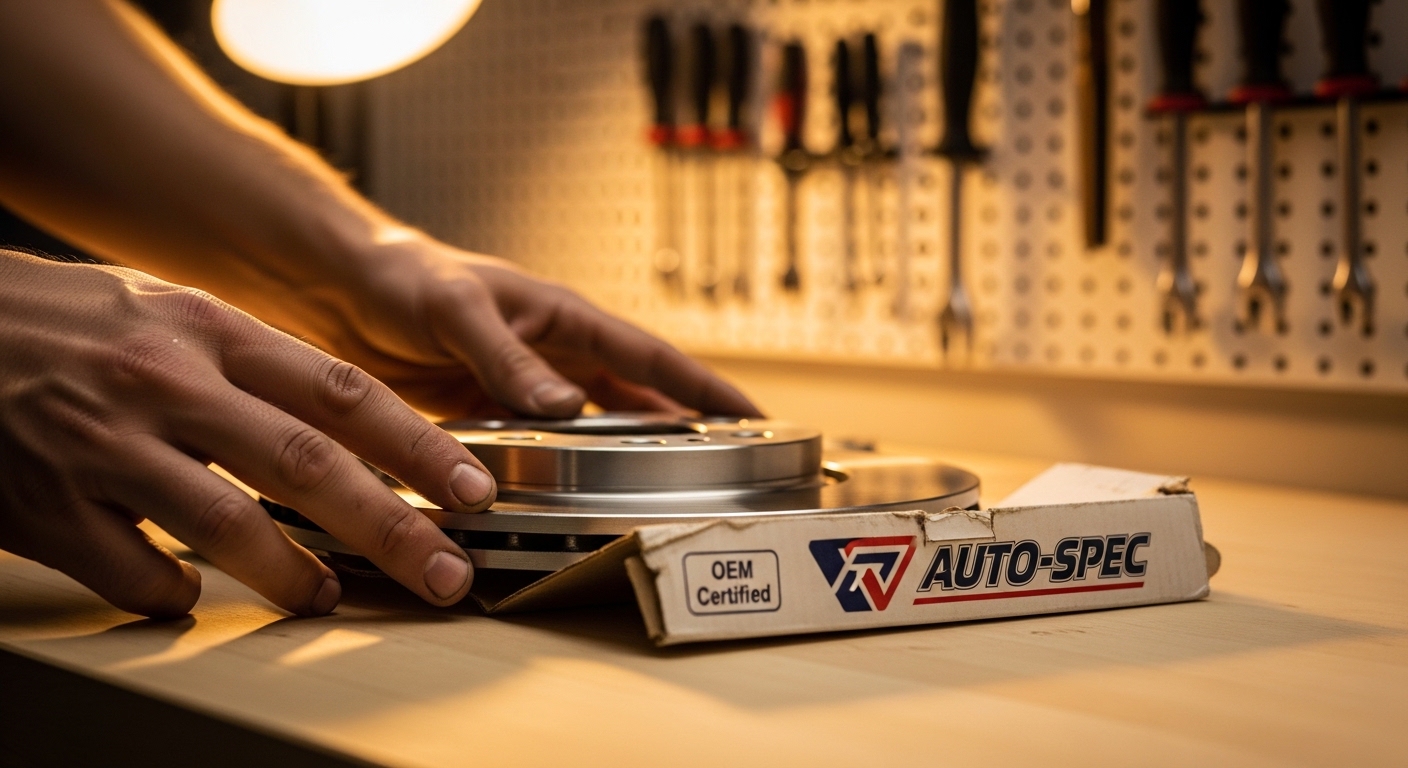
What Does OEM Actually Mean?
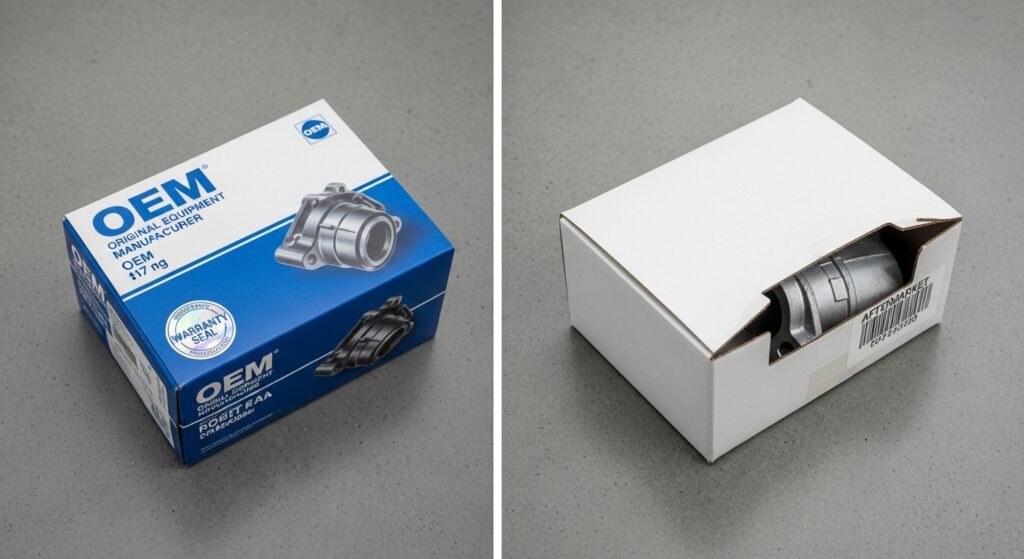
OEM stands for Original Equipment Manufacturer. That’s a fancy term, but the idea is simple. When your car was built at the factory, certain parts went into it. Those exact same parts are called OEM parts.
So if you need to replace something on your car, using an OEM replacement part means you’re putting back the same type of part that was there from day one. Same size. Same shape. Same quality. It’s like replacing a missing puzzle piece with the exact right one.
Aftermarket parts, on the other hand, are made by other companies. They might look similar and cost less. But they are not made to the exact same rules as the original manufacturer’s specifications.
OEM vs Aftermarket Parts: A Quick Look
To be fair, aftermarket parts are not always bad. Some are actually good quality. But the risk is that you don’t always know what you’re getting. Here’s a quick comparison to make it easy to see:
| Feature | OEM Parts | Aftermarket Parts |
| Fit | Perfect fit guaranteed | May vary |
| Quality | Manufacturer tested | Quality can vary a lot |
| Warranty | Usually 1 year or more | Limited or none |
| Price | Higher upfront | Cheaper upfront |
| Long-term cost | Usually lower | Can cost more over time |
The word “mostly” in the title is important. We don’t say OEM is perfect for every single situation. But for most repairs, it’s the smarter choice.
The Real Reasons We Prefer OEM Parts
Perfect Fit Means No Surprises
I remember a time when a friend of mine got a cheaper brake part fitted on his car. At first, everything seemed fine. But a few months later, there was a strange noise. Turns out the part didn’t fit exactly right. It wore down faster than it should have.
That’s the thing about exact fit. When an OEM part goes in, it slots right into place. No rattling. No leaking. No premature wear. It’s built to match your car’s make and model perfectly. According to a post by The Suburban Collection (January 2025), OEM parts are made to the exact same specifications as the original factory parts, which means issues like rattles, leaks, or early wear are much less likely.
Source: The Suburban Collection, January 2025
With aftermarket parts, there can be tiny differences in size or material. Those small differences can cause big problems later on. And that’s a headache nobody wants.
Quality You Can Actually Trust
OEM parts go through the same testing that the original parts went through. The manufacturer standards are strict. The materials used are the same high-quality ones from the start.
When you use an aftermarket part, you’re trusting a third-party company. Some of them are great. But others cut corners on materials to keep costs low. You might save $30 today and spend $200 fixing the damage in six months.
Honestly, the funny part is that people often buy the cheaper part thinking they’re saving money. But when you add up all the extra repairs, the OEM part would have been less expensive in the long run. That’s just the math of it.
How OEM Parts Protect Your Wallet Long-Term
Warranty Coverage Gives You Peace of Mind
One big reason we use OEM parts is the warranty. Most OEM parts come with at least a one-year manufacturer warranty. According to Kemper Equipment, most OEM parts include at least a 1-year warranty and manufacturers will usually replace a defective part for you.
That means if something goes wrong with the part, you’re covered. With aftermarket parts, that coverage is often limited or doesn’t exist at all. That’s a risk you’re taking on yourself.
There’s also another side to this. Some car manufacturers say that using non-OEM parts can actually void your vehicle warranty. So if your car is still under warranty, using a cheap third-party part could end up costing you a lot more if something bigger goes wrong.
OEM Parts Last Longer and Reduce Repair Visits
Because OEM replacement parts are built to the same standards as the originals, they are designed to last. They work in harmony with all the other parts in your car. There’s no strange friction. No unusual wear patterns.
Aftermarket parts may not match the factory specifications perfectly. Even small differences in material or design can cause other parts around them to wear faster. Over time, one cheap part can create a chain of problems.
Most people don’t think about it this way, but OEM parts can actually extend the operational life of your vehicle. You’re not just fixing one thing. You’re protecting the whole system.
When Aftermarket Parts Might Be Okay
Not Every Repair Needs OEM
To be fair, not every repair has to use an OEM. If your car is very old and you’re just trying to keep it running for another year, spending big on OEM parts may not make sense. In that case, a reliable aftermarket option from a trusted brand might be fine.
The key word here is “trusted.” Some aftermarket companies make solid products that meet or even exceed certain quality standards. For non-critical parts like floor mats, cabin air filters, or basic accessories, going aftermarket is usually not a big deal.
But for important systems, like brakes, engine parts, transmission components, or safety-related items, the risk with aftermarket parts is too high. Those are the areas where we strongly stick with OEMs.
The “Mostly” Part of Why We Use OEM
I think the word “mostly” in the phrase “why we use OEM parts mostly” is actually really honest. No shop or mechanic should say they always use OEM no matter what. That’s not always practical.
Sometimes OEM parts are harder to find. Sometimes the wait time is long. For older vehicles, the original manufacturer may not even make the part anymore. In those cases, a high-quality aftermarket part is the right call.
But here’s my take: when you have a choice between OEM and aftermarket, and the price difference is not huge, always go OEM. The peace of mind alone is worth it.
What to Know Before Choosing Your Car Parts
How to Tell If a Part Is Truly OEM
A real OEM part will usually come in branded packaging from the carmaker. Think Toyota, Honda, Ford, or whatever brand your car is. The part will have the manufacturer’s logo on it or on the box.
Be careful with parts that say “OEM-equivalent” or “OEM-quality.” Those words mean nothing official. They’re just marketing languages. Only a part sold directly through the original manufacturer or a certified dealership is truly OEM.
If you’re buying online, always check the seller and confirm it’s the genuine manufacturer’s part. There are many sellers out there who use confusing labels to make aftermarket parts sound more legitimate than they are.
Why Mechanics and Dealerships Recommend OEM Parts
Dealerships almost always use OEM parts for repairs. This is not just because they sell them. It’s because they know what happens when the wrong part goes in. A bad fit leads to callbacks. More work. Unhappy customers.
Mechanics who care about their reputation want the repair to work the first time. Using the right original equipment means the car leaves the shop working the way it should. That’s good for everyone.
In my experience, any mechanic who tries hard to talk you out of OEM without a good reason is probably cutting corners to make more profit. That’s something worth paying attention to.
Conclusion
So there you have it. Why we use OEM parts (mostly) comes down to a few simple things: perfect fit, better quality, warranty coverage, and longer-lasting results. They cost more upfront, yes. But they save you money, time, and stress in the long run.
The “mostly” part reminds us to think practically. For everyday critical repairs, OEM is the best choice. For minor parts on older cars, a good aftermarket option can work. The key is knowing the difference and choosing wisely.
Next time someone at the shop mentions OEM parts, you’ll know exactly what it means and why it matters. And if you have a question or a story about your own experience with car parts, I’d love to hear it in the comments below!
Frequently Asked Questions (FAQs)
What is the main difference between OEM and aftermarket parts?
OEM parts are made by or for the same company that built your car. They match the original part exactly in size, material, and quality. Aftermarket parts are made by other companies. They might look similar but are not built to the same strict standards. OEM parts offer a guaranteed fit and come with a warranty. Aftermarket parts are cheaper but come with more risk.
Will using aftermarket parts void my car warranty?
It depends on your car and its warranty terms. In many cases, using non-OEM parts for repairs on a vehicle that is still under the manufacturer warranty can void that warranty. Some carmakers have rules that only OEM replacement parts can be used to keep the warranty valid. Always check your warranty paperwork or ask your dealership before using aftermarket parts.
Are OEM parts always better than aftermarket parts?
For most important repairs, yes. OEM parts offer a perfect fit, tested quality, and warranty coverage. But for non-critical parts on older vehicles, a good aftermarket brand can work fine. The key is to use OEM for safety-related or performance-critical parts like brakes, engine components, or transmission parts. For things like interior accessories, going aftermarket is usually okay.
Why do OEM parts cost more than aftermarket parts?
OEM parts cost more because they go through the same rigorous testing and quality control as the original factory parts. The materials are the same high-quality ones used when the car was first built. Aftermarket companies often use cheaper materials and skip certain tests to keep their costs low. That’s why their parts are less expensive but also less reliable.
How can I tell if a part is genuinely OEM?
A genuine OEM part comes in branded packaging from the car manufacturer, like Toyota, Honda, or Ford. It will have the manufacturer’s logo on the part or on the box. Watch out for terms like “OEM-quality” or “OEM-equivalent.” These are just marketing words and do not mean the part is truly from the original manufacturer. Always buy from a certified dealership or an authorized parts seller to be sure.