
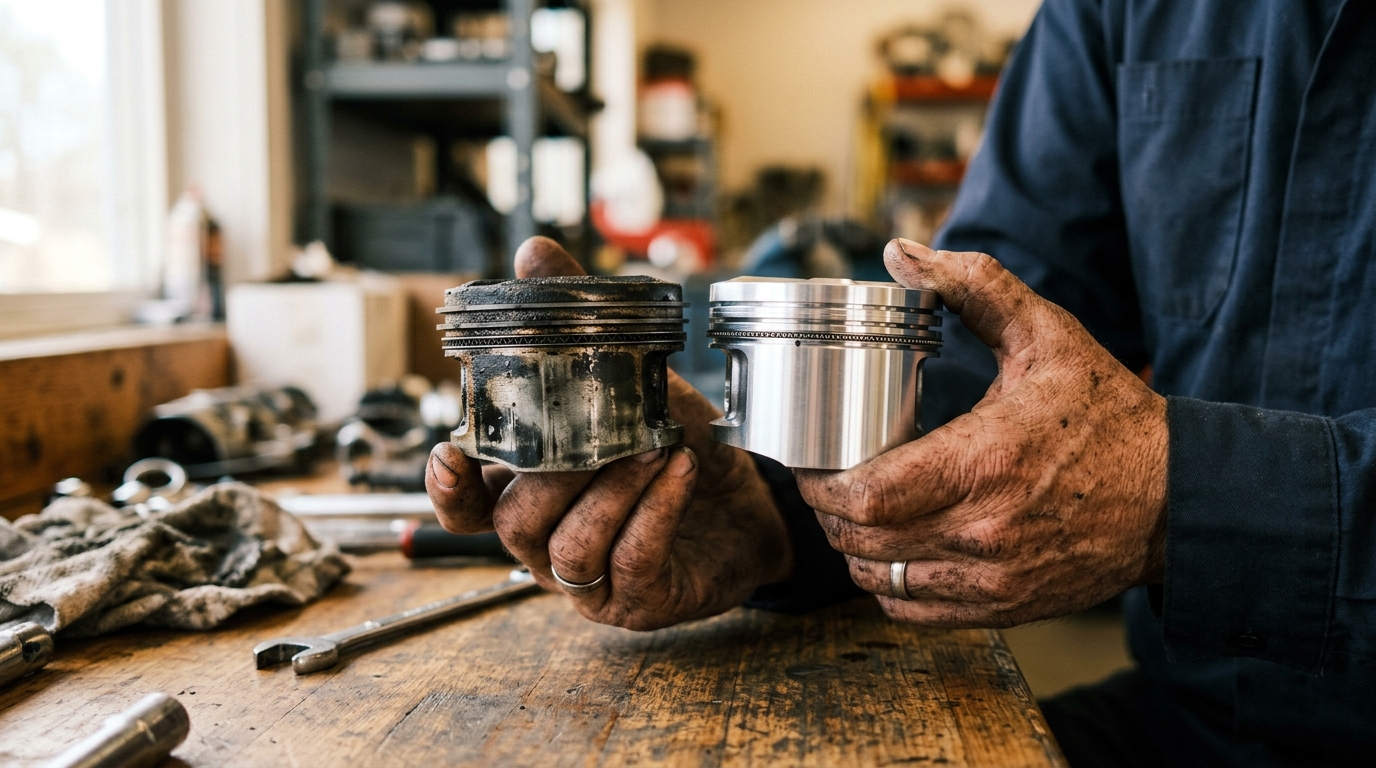
Your car starts every morning, and you don’t really think about it until the day it doesn’t. That sound the engine makes, that small smoke from the hood, that check engine light. Most of us ignore these things for way too long. Here’s the truth: how long a car engine lasts depends mostly on what YOU do. Not just the car brand. Not just the mileage. You.
What Is the Average Lifespan of a Car Engine?
So, how long does a car engine last? Here’s the simple answer. Most modern car engines last between 150,000 and 200,000 miles. That’s the general range experts agree on. With great care, many engines go well past 300,000 miles. There are even stories of cars reaching 500,000 miles with the original engine still running.
But here’s the thing. A number alone does not tell the full story. Two cars with the same mileage can be in very different conditions. One may have been loved and serviced on time. The other may have been driven hard and ignored. The odometer does not know the difference. But the engine does.
In Miles: What the Numbers Actually Mean
Most people drive around 10,000 to 15,000 miles per year. At that rate, a 200,000-mile engine gives you roughly 13 to 16 years of driving. That’s a solid run. But this only happens with proper care. If you skip oil changes or push the engine hard all the time, you may not even reach 100,000 miles without problems.
I once bought a used car with 80,000 miles on it. It sounded fine at first. But after a month, it started making a knocking sound. The previous owner had never changed the oil regularly. The mileage looked low, but the engine wear was as bad as that of a 180,000-mile car that had been taken care of. Mileage is just a number. History is what matters.
In Years: How Long Is That Really?
According to Consumer Reports, the average car today lasts about 8 to 10 years. In the past, engines wore out much sooner, often by 50,000 to 60,000 miles. Better engine design, tighter machining tolerances, and smarter fuel management systems have changed everything. Modern engines are built to last. But they still need your help to get there.
What Affects Car Engine Lifespan?
Honestly, this is where it gets interesting. There is no single thing that destroys an engine. It is usually a mix of small habits, ignored signs, and skipped services. Let’s break down the big ones.
Driving Habits That Shorten Engine Life
The way you drive makes a huge difference. Aggressive driving, like hard acceleration, sudden stops, and revving the engine past its redline, puts a lot of pressure on engine parts. Every time you do that, metal rubs against metal faster than it should. Over time, those small moments add up to big damage.
Towing heavy loads regularly is another big one. When your engine pulls more than it was designed for, it runs hotter and works harder. That shortens its life. Short trips around town are also tougher on engines than people think. The engine barely warms up before you shut it off. This is called thermal cycling, and it causes extra wear over time.
The best thing you can do? Drive smoothly. Coast to a stop when you can. Avoid hard revving from a cold start. Give the engine a minute or two to warm up before driving at full speed, especially in cold weather. These small habits add years to your engine’s life.
Engine Type and Build Quality
Not all engines are built the same. Iron block engines are known for being very strong. Iron handles the heat inside an engine better than other metals, so it lasts longer. Aluminum engines are lighter but need to be maintained more carefully because they can handle heat less forgivingly.
Turbocharged engines are becoming more common. They give you more power from a smaller engine, which sounds great. But here’s the trade-off. According to engine lifespan research, turbocharged direct injection engines can have failure rates 20 to 30 percent higher before 150,000 miles compared to naturally aspirated engines. That is because turbos run very hot and are very sensitive to missed oil changes. If you own a turbo car, you simply cannot skip services. It matters even more for you.
How Maintenance Affects Engine Longevity
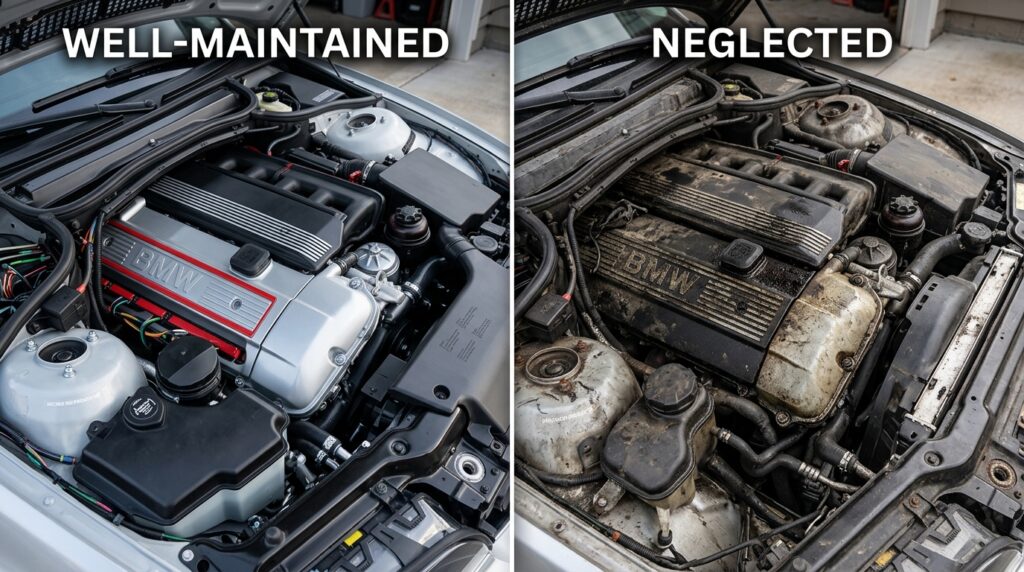
Here is the truth that most people do not want to hear. Engine maintenance is the single biggest factor in how long your engine lasts. Not the brand. Not the price tag. Not even how many miles are on the clock. Maintenance beats all of it. A 2024 study published by automotive researchers found that regular preventive maintenance, especially timely oil and filter changes, can increase engine lifespan by up to 50%.
Source: SuperKilometerFilter.com — 2024 Maintenance Study Reference
Oil Changes: The Single Biggest Factor
Think of your engine oil like blood in your body. It moves through every part, keeping things clean, cool, and smooth. When the oil gets old and dirty, it stops doing its job. Engine sludge builds up. Parts start to grind instead of glide. That is when the damage begins.
Changing your oil on time is the cheapest thing you can do to protect your engine. Most cars need an oil change every 5,000 to 7,500 miles with modern synthetic oil. Some newer cars can go up to 10,000 miles. But check your owner’s manual. Do not guess. And always use high-quality motor oil that matches what your manufacturer recommends. Cheap oil may save you a little money today, but it can cost you an engine down the road.
I skipped an oil change once for about 4,000 miles longer than I should have. The oil had turned almost black. When I finally changed it, the mechanic showed me how much gunk had built up in the filter. It scared me straight. I have never skipped one since.
Also, do not ignore your oil filter. Change it with every oil change. The filter catches particles so they do not circulate through the engine. A clogged filter means dirty oil keeps running through your engine. That is bad.
Cooling System and Air Filter Care
Overheating is one of the fastest ways to destroy an engine. When the temperature inside gets too high, metal expands in ways it should not. Head gaskets can blow. Pistons can warp. The damage from one serious overheat event can cost thousands to fix or kill the engine entirely.
Check your coolant levels regularly. Make sure your radiator is clean. If the temperature gauge ever goes near the red, pull over safely and do not ignore it. According to the CarMD Vehicle Health Index, cooling system failures are among the top causes of major engine breakdowns in the US. Staying ahead of this saves you real money.
The air filter matters too. The engine needs clean air to burn fuel properly. A clogged air filter makes the engine work harder and burns more fuel. It is a small, cheap part. Change it every 15,000 to 30,000 miles, depending on where you drive. If you live near dusty or dirty roads, check them more often.
Warning Signs Your Engine Is Wearing Out
Well, the engine almost always gives you signs before it gives up. The problem is that most people ignore them until it is too late. Learning to spot these early saves you from a very expensive surprise.
Sounds, Smoke, and Leaks to Never Ignore
A knocking sound from the engine is a red flag. It usually means the engine’s internal parts are not getting enough lubrication. This can happen from low oil pressure or old, dirty oil. The longer you wait, the worse the damage gets.
Smoke from the exhaust tells you a lot, too. White smoke often means coolant is getting into the engine where it should not be. Blue smoke means the engine is burning oil. Black smoke usually means it is burning too much fuel. None of these is normal, and all of them deserve a visit to a mechanic right away.
Oil spots under your car when it is parked? That is a leak. Small leaks get bigger. A small amount of lost oil becomes a serious low oil level over time. Then the engine runs dry, and that is when you get big damage fast.
Performance Red Flags Every Driver Should Know
If your car suddenly feels slower or struggles to pick up speed, that is your engine telling you something is wrong. Loss of power can mean worn spark plugs, a clogged fuel system, or deeper engine problems. Do not assume it will fix itself.
A rough idle or engine vibrating at a stop is also a sign. The engine should run smooth and quiet when parked. If it shakes or sounds uneven, something inside is not firing the way it should. And of course, the check engine light. It comes on for a reason. Get it read with a diagnostic tool. Many auto parts stores do this for free. It takes five minutes and gives you real answers.
Which Car Brands Have the Longest Lasting Engines?
To be fair, some car brands just build better engines than others. This is not my opinion. It shows up in reliability data year after year. If you are buying a car and engine longevity is a priority, brand matters.
Toyota, Honda, and Subaru Lead the Pack
Toyota and Honda are consistently at the top when it comes to engine reliability. Many Toyota and Honda vehicles regularly cross the 200,000-mile mark with proper care, and some go much further. Subaru is also up there, known for strong engines that handle cold climates well.
That does not mean other brands are bad. But if you look at repair records and owner reports, these three show up again and again as the most dependable. If you already own one of these, you are in good shape. Take care of it, and it will take care of you.
Diesel vs Gasoline: Which Engine Lasts Longer?
Diesel engines are generally built to handle more stress. They run at higher pressure and are designed with stronger, heavier parts. Because of this, diesel engines often outlast gasoline engines in raw mileage terms. Commercial trucks and heavy vehicles often run on diesel for this exact reason. It is not uncommon to see diesel trucks with 400,000 or even 500,000 miles on the original engine.
Gasoline engines are lighter and more common in regular passenger cars. They do not always match diesel in total lifespan, but with proper care, a good gasoline engine in a reliable car can still run well past 200,000 miles. The difference comes down to engineering and use case. For everyday driving, a well-maintained gasoline engine is perfectly capable of lasting a very long time.
Conclusion
So, how long does a car engine last? The honest answer is it depends on you more than anything else. The engine in your car right now could last 150,000 miles or 300,000 miles. The difference is almost entirely in how you drive it and how well you take care of it.
Change your oil on time. Watch the temperature gauge. Fix small leaks before they become big problems. Drive smoothly. Pay attention to sounds, smoke, and that check engine light. These are not complicated things. They are just habits. And those habits can give your engine an extra 5 to 10 years of life.
I’d love to hear your thoughts. How many miles does your engine have on it right now? Drop it in the comments. You might be surprised how many people are driving 200,000+ miles and still going strong.
Frequently Asked Questions
1. How long does a car engine last on average?
Most modern car engines last between 150,000 and 200,000 miles. With great care and regular maintenance, many engines go past 300,000 miles. In years, that is roughly 10 to 16 years of driving for the average person.
2. What is the most important thing I can do to make my engine last longer?
Change your oil on time. This is the single biggest thing you can do. Dirty or low oil causes more engine damage than almost anything else. Follow your car’s recommended oil change schedule and always use the right type of oil.
3. Can an engine last 300,000 miles?
Yes, it can. Many Toyota, Honda, and Subaru engines have done exactly that. It requires consistent maintenance, smooth driving habits, and fixing small problems before they get big. It is not common, but it is very possible with the right care.
4. What are the first signs that an engine is going bad?
Watch for knocking sounds, blue or white exhaust smoke, oil leaks under the car, a rough idle, loss of power, or a check engine light that stays on. Any one of these is a reason to visit a mechanic. Catching problems early saves you a lot of money.
5. Does a turbocharged engine last as long as a regular engine?
Usually not, unless it is maintained very carefully. Turbo engines run hotter and are more sensitive to oil quality and change intervals. If you own a turbocharged car, you need to be even more strict about maintenance than with a regular naturally aspirated engine.