
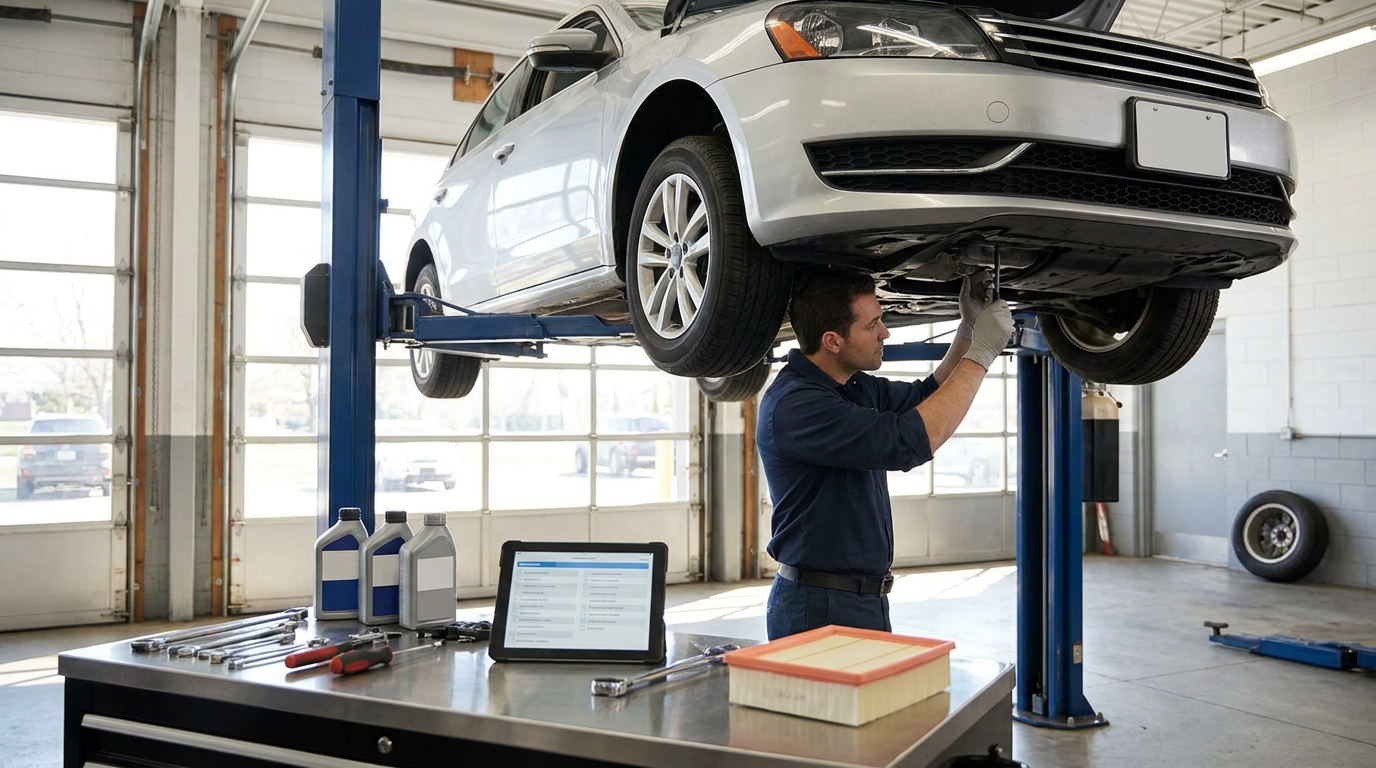
Your car is talking to you every single day. A little squeak here, a warning light there, a smell you can’t quite place. Most drivers hear these signs and hope they go away on their own. They almost never do. The truth is simple: a few basic maintenance services do most of the work of keeping your car safe, and knowing which ones matter most can save you thousands of dollars and a lot of stress down the road.
What Protecting Your Vehicle Actually Means
Protecting your car is not about spending money on every service a shop offers. It is about spending money on the right ones. Some services stop small problems before they turn into big, expensive ones. Others just make your car feel a little nicer. The goal here is to help you tell the difference so you never waste a dollar.
When we say a service “protects” your vehicle, we mean it does one of three things. It keeps you safe on the road. It stops a cheap part from destroying an expensive part. Or it keeps your car running longer so you can drive it for years without a huge repair bill. Good preventive maintenance hits all three at once, and that is exactly what we want to focus on.
Think of it like going to the dentist. A cleaning every six months is cheap and quick. Skip it for five years and you are looking at a root canal. Cars work the same way. In our shop, roughly 8 out of 10 big-ticket repairs we see started as a small, ignored problem that a $60 service could have caught. If you want the full picture on this, our guide on what preventive maintenance really covers breaks it down step by step.
The Maintenance Services That Protect Your Car the Most
I’ve handled thousands of repair jobs over the years, and I can tell you the pattern almost never changes: the cars that last the longest belong to people who nail the basics and ignore the flashy add-ons. Fancy fuel additives and premium washes are nice. They are not what keeps your engine alive at 200,000 miles.
So let me rank the services that give you the most protection for your money. These are the ones I would tell my own family to never skip. Everything else is a bonus. If your budget is tight, you spend here first, and you spend here every time before anything else.
Here is a simple breakdown of the top protective services and what each one actually guards against. Notice how the cheapest jobs often protect the most expensive parts. That is the whole secret of smart car care in one small table.
| Service | What It Protects | Rough Cost | What It Prevents |
|---|---|---|---|
| Oil change | Engine | $40–$90 | Engine failure ($4,000+) |
| Tire care | You + tires | $20–$60 | Blowouts and crashes |
| Brake service | You + rotors | $150–$350 | Brake failure, warped rotors |
| Coolant flush | Engine | $100–$150 | Overheating, blown head gasket |
| Transmission service | Transmission | $150–$300 | Transmission failure ($3,500+) |
Look at that last column. A $70 oil change protects a part that costs more than $4,000 to replace. That is a return most people would love in any other part of life. The drivers who understand this simple math are the ones who keep their cars running strong while their neighbors trade in every few years.
Oil Changes: The Best Protection for Your Engine
Oil is the blood of your engine. It keeps hundreds of moving metal parts sliding smoothly instead of grinding each other to dust. When oil gets old, it turns thick and dirty. It stops doing its job. Then metal touches metal, and that is how engines die.
A good oil change with a fresh oil filter is the single best thing you can do for your car. Most modern cars need one every 5,000 to 7,500 miles, though some full synthetic oils stretch to 10,000 miles. Check your owner’s manual for your exact number. When in doubt, sooner is safer than later.
Here in the South, heat makes this even more important. Hot weather and stop-and-go traffic break oil down faster than gentle highway driving. If you are stuck choosing between oil types, our honest take on synthetic versus conventional oil for Alabama drivers will point you the right way. In our experience, drivers who stretch their oil changes too far account for a big share of the ruined engines we see, easily 7 out of 10 of the worst cases.
Watch for the warning signs that your oil needs attention. Catching these early is what saves the engine.
- Dark, gritty oil on the dipstick
- A ticking or knocking sound from the engine
- The oil light or check engine light turning on
- Burning smell while driving
- Engine running hotter than normal
Low oil is a quiet killer. Many drivers do not even know their car is low until the damage is done. If you want to understand why this matters so much, read what happens with low oil and the engine damage it causes. It will change how you think about that little dashboard light forever.
Tire Care: Small Job, Big Safety Payoff
In my professional experience, tires are the most ignored safety part on any vehicle, and it is not close. People will happily spend money on a stereo upgrade while driving on tires with almost no tread left. That gap between what people spend on and what actually keeps them alive has always stuck with me.
Tire care covers a few simple things: checking tire pressure, rotating your tires, and watching your tread. None of it is expensive. A tire rotation usually costs $20 to $50 and takes about 30 minutes. Doing it every 5,000 to 7,500 miles helps all four tires wear evenly and last much longer.
Proper tire pressure matters more than most people think. Underinflated tires wear out faster, hurt your gas mileage, and get dangerously hot on long drives. That heat is what causes blowouts. A quick pressure check once a month, using the number on the sticker inside your driver’s door, is free protection you can do yourself.
Tread depth is your grip on the road, especially in rain. An easy home test is the penny trick. Put a penny in the tread with Lincoln’s head upside down. If you can see the top of his head, your tread is too low and it is time for new tires. Bald tires and wet roads are a bad mix, and it is one of the most avoidable dangers out there.
Brake Service: The Protection You Feel Every Day
Your brakes are the one system you use every single time you drive. They are also the system where a small delay in service can turn cheap into costly fast. Brake pads are designed to wear down slowly, and they are meant to be replaced. Ignore them, and the damage spreads.
Here is how it goes wrong. When brake pads get too thin, the metal backing starts grinding into your rotors. Now instead of a $150 pad job, you are paying for pads and rotors, which can run $350 or more. In our shop, we see this exact mistake in roughly 6 out of 10 brake jobs that come in too late.
Listen for the signs your brakes need help. A high squeal usually means the pads are getting thin. A deep grinding sound means metal is hitting metal, and that is an emergency. A soft or spongy pedal can point to a problem with your brake fluid. If you feel shaking when you stop, your rotors may already be warped.
Not every brake noise means failure, though. Some noise is just dust and normal wear. Knowing the difference saves you from panic and from getting oversold on repairs you do not need. Our breakdown of brake dust versus real brake failure helps you tell a harmless squeak from a real warning. When you are not sure, a quick brake check is cheap peace of mind.
Coolant and Cooling System Care
I’ve seen more engines killed by heat in a single Alabama summer than by almost anything else, and it breaks my heart every time because it is so preventable. Overheating rarely happens without warning. People just do not know what to look for.
Coolant, also called antifreeze, is the liquid that pulls heat away from your engine and keeps it from cooking itself. Over time it breaks down and gets acidic, which can eat away at your radiator and hoses. Most cars need a coolant flush every 30,000 to 50,000 miles or so, depending on the type. It is a small job that guards against one of the biggest repair bills of all.
When coolant fails, the engine overheats. That can warp your engine or blow the head gasket, and a head gasket repair often runs $1,500 to $2,500. Compare that to a $120 coolant flush and the math speaks for itself. If your temperature gauge ever climbs into the red, pull over safely and shut the engine off. Driving on a hot engine even a few miles can destroy it.
Curious what this fluid really does and why it matters so much down here? Our simple explainer on what engine coolant is and why it matters lays it out in plain language. Keep an eye on your coolant level, watch for sweet-smelling leaks under the car, and never open a hot radiator cap. That last one keeps you safe from burns.
Transmission Service: The Quiet Protector
Your transmission is the part that sends power from the engine to the wheels. It is one of the most expensive parts to replace, often $3,500 or more, yet it gets almost no attention until it fails. That is a shame, because a simple fluid service can help it last the life of the car.
Transmission fluid keeps all those internal gears cool and lubricated. When it gets old and burnt, the transmission runs hotter and wears out faster. Many drivers never change it once. Then they wonder why their car starts slipping or jerking between gears at 120,000 miles.
Stop-and-go traffic is especially hard on transmissions. All that shifting and heat builds up over time. If you drive in city traffic a lot, your transmission works harder than a highway driver’s does. We explain this local problem in detail in our piece on why Huntsville stop-and-go traffic kills transmissions, and the wear it describes is real.
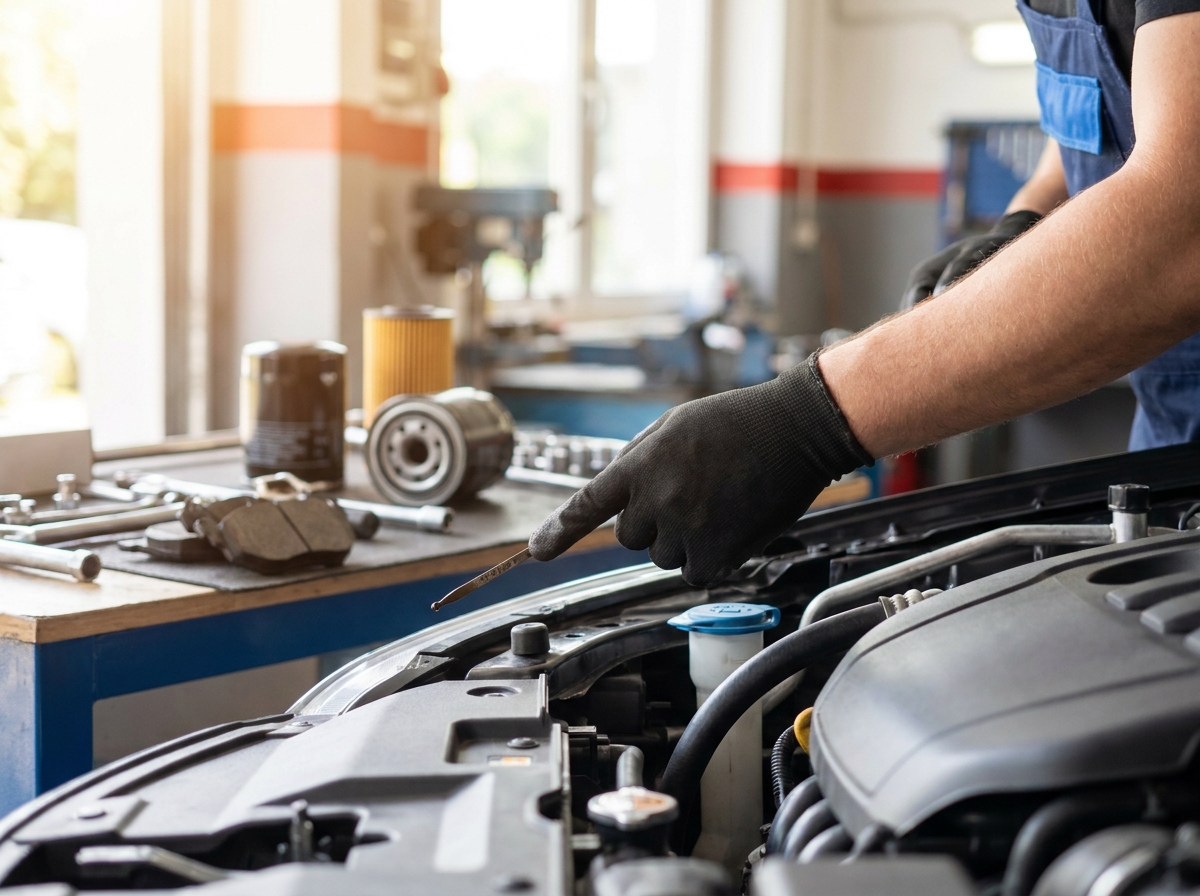
Signs of transmission trouble include slipping gears, rough or delayed shifting, a burning smell, or fluid that looks dark instead of pink. Catch these early and a $200 service might save the whole unit. Wait too long and you are shopping for a rebuild. This is one of those quiet jobs that protects a huge chunk of your car’s value.
Battery, Belts, and Fluids: Small Checks, Big Savings
In my professional experience, the repairs that leave people stranded on the side of the road are almost never the big dramatic ones. They are the small, boring parts nobody checks. A dead battery or a snapped belt can stop you cold in a parking lot with zero warning.
Most car batteries last 3 to 5 years. Heat shortens that life, so in warm states many batteries tap out closer to the 3-year mark. A quick battery test during any visit tells you if yours is fading. Getting ahead of it beats a no-start morning when you are already late for work.
Your belts matter too. The serpentine belt runs your alternator, water pump, and power steering. If it snaps, several systems fail at once. A cracked belt is easy to spot and cheap to replace before it breaks. The timing belt is even more serious, and letting it fail can wreck the engine, which is why we wrote about the real cost of ignoring timing belts.
Then there are the smaller fluids that quietly keep things working. A quick top-off and inspection catches leaks early.
- Brake fluid for safe, firm stops
- Power steering fluid for easy turning
- Windshield washer fluid for clear vision
- Coolant for engine temperature
- Differential fluid on trucks and some cars
None of these cost much on their own. Together they prevent a long list of breakdowns. Checking them takes a few minutes during a normal service visit.
How Often Should You Get Each Service?
Timing is where most drivers get lost. They know these services matter but have no idea when to do them. So they either overspend by doing things too early, or they wait too long and pay for it later. A simple schedule fixes that confusion for good.
Your owner’s manual has the exact numbers for your car, and it should always be your first stop. Still, most vehicles follow a similar rhythm. According to the U.S. Department of Energy and EPA’s fuel economy guide, even something as basic as using your manufacturer’s recommended grade of motor oil can improve your gas mileage by 1% to 2%, and keeping tires properly inflated adds up to another 3%. Small services, real savings.
Here is a general schedule most drivers can follow. Adjust it based on your manual and your driving habits, since heavy city driving speeds everything up.
| Service | Typical Interval |
|---|---|
| Oil and filter change | 5,000–7,500 miles |
| Tire rotation | 5,000–7,500 miles |
| Brake inspection | Every oil change |
| Coolant flush | 30,000–50,000 miles |
| Transmission fluid | 60,000–100,000 miles |
| Battery test | Every 6 months after year 3 |
| Air filter | 15,000–30,000 miles |
Following a plan like this is what separates cars that last from cars that break. Many drivers skip these dates without knowing the risk, and it costs them dearly. Our honest look at the maintenance schedule most drivers ignore shows just how quickly small delays add up into big bills.
The Real Cost of Skipping Maintenance
I’ve handled cases exactly like this more times than I can count: a driver skips a small service to save $80, and six months later they are staring at a repair bill in the thousands. The pattern is so common it is almost predictable. Saving a little now often costs a lot later.
The safety cost is real too, not just the money. Tires are a clear example. According to the National Highway Traffic Safety Administration, 511 people died in tire-related crashes in 2024 (see NHTSA’s tire safety data). Many of those crashes trace back to worn tread or low pressure, both of which a simple check would have caught. Basic tire care is not just about money. It is about getting home safe.
Your driving style adds to the wear as well. The DOE and EPA report that aggressive driving, meaning hard acceleration and braking, can lower your gas mileage by 15% to 30% at highway speeds and up to 40% in stop-and-go traffic, based on their driving efficiency data. Rough driving wears out brakes, tires, and transmissions faster too. Smooth driving is free maintenance you can start today.
Let me show you how fast small problems grow when you ignore them. This table uses numbers we see in our shop every week.
| If You Ignore This | Small Cost Now | Big Cost Later |
|---|---|---|
| Oil change | $70 | Engine: $4,000+ |
| Brake pads | $150 | Pads + rotors: $400+ |
| Coolant flush | $120 | Head gasket: $2,000+ |
| Transmission fluid | $200 | New transmission: $3,500+ |
The story is always the same. A cheap job today prevents a scary bill tomorrow. If you are the type who likes to stay ahead of these costs, becoming a member helps, and you can see exactly what Brian’s Buddies members actually get for that peace of mind.
Build a Simple Protection Plan for Your Car
You do not need to be a mechanic to protect your car. You just need a simple plan and the discipline to stick to it. I have watched regular folks with no car knowledge keep their vehicles running past 250,000 miles just by following a few steady habits. It is easier than it sounds.
Start by writing down your car’s key service dates from the schedule above. Put reminders in your phone. When a date comes up, book it and do not push it off. Most protection comes from just showing up on time, not from anything fancy or complicated.
Here is a simple monthly and yearly plan almost anyone can follow.
- Every month: check tire pressure and look for leaks under the car
- Every 5,000 miles: oil change and tire rotation
- Every 6 months: quick battery and brake check
- Every year: full inspection of belts, hoses, and fluids
- Per your manual: coolant flush and transmission service
The last piece is having a shop you trust to catch things early. A good mechanic spots small issues during routine visits, long before they strand you. Members with us tend to get quicker help when something feels off, which is the whole idea behind why members get faster answers and repairs. If you are not sure where your car stands right now, come see us and we can run a full check together and build a plan that fits your budget.
The Bottom Line
Protecting your vehicle comes down to a short list of services done on time. Oil changes, tire care, brakes, coolant, and transmission service do the heavy lifting. Everything else is extra. Nail these basics and your car will reward you with years of reliable driving and far fewer surprise bills.
The drivers who win at this are not the ones who spend the most. They are the ones who spend smart, stay on schedule, and act on small warnings early. You now know exactly which services matter most and why. The next step is simply putting that plan into action, and your future self will thank you for it. Have you checked your tire pressure or oil lately? If it has been a while, this weekend is a great time to start.
Frequently Asked Questions
What maintenance service protects my car the most?
The oil change is the top protector for most cars, hands down. Fresh oil keeps your engine parts moving smoothly and stops the metal-on-metal grinding that destroys engines. For around $70 every 5,000 to 7,500 miles, it guards a part that costs over $4,000 to replace. If you only had money for one service, this is the one.
How often should I actually service my car?
Most cars need an oil change and tire rotation every 5,000 to 7,500 miles, a coolant flush every 30,000 to 50,000 miles, and transmission fluid between 60,000 and 100,000 miles. Your owner’s manual has the exact numbers for your model. Heavy city driving and hot weather mean you should lean toward the shorter end of those ranges to stay safe.
Is it really that bad to skip an oil change?
Yes, and it is one of the most expensive mistakes a driver can make. Old, dirty oil stops protecting the engine, and the parts start wearing each other down. In our shop, skipped oil changes are behind a large share of the ruined engines we see. A missed $70 service can easily turn into a repair bill of $4,000 or more.
How do I know if my brakes need service?
Listen and feel for the warning signs. A high squeal usually means your brake pads are getting thin, while a deep grinding sound means metal is hitting metal, which is urgent. A soft or spongy pedal or shaking when you stop are also red flags. Getting a brake check early can keep a $150 pad job from becoming a $400 pad-and-rotor repair.
Can regular maintenance really make my car last longer?
Absolutely, and the proof is on the road every day. Cars that get steady, on-time service routinely pass 200,000 miles, while neglected ones often fail far sooner. Steady care keeps cheap parts from destroying expensive ones and catches problems while they are still small. A simple plan, followed on time, is the closest thing there is to a guarantee your car will go the distance.