
Most people look at a car’s price tag and think that’s the cost. It’s not. The sticker price is just the front door. The real bill comes later, spread over many years, in small chunks that add up fast. Let’s break down what a car really costs you from the day you buy it to the day you sell it.
What Does the True Lifetime Cost of Vehicle Ownership Really Mean?
The true lifetime cost of vehicle ownership is every dollar your car pulls from your pocket over the years you own it. Not just the price. Everything.
Think of it like an iceberg. The price you pay at the dealer is the tip above the water. The big, heavy part sits below, out of sight.
That hidden part includes depreciation, fuel, insurance, repairs, maintenance, taxes, and loan interest. This whole picture has a name in our world. We call it total cost of ownership, or TCO.
In our shop, we’ve seen a pattern for years. About 8 out of 10 drivers who come in only budget for gas and their monthly payment. The rest of the costs catch them by surprise.
Here’s the simple truth. A cheap car is not always cheap. And an expensive car is not always the money pit people fear. The full story lives in the years in between.
The Hidden Costs Most Drivers Never Add Up
I’ve handled cases exactly like this many times. A driver buys a “good deal” used car, feels smart for a month, then two big repairs wipe out every dollar they thought they saved. The deal was never the deal. The years after were.
The problem is simple. People add up what they can see and forget what they can’t. Based on the cars we service each week, the costs below are the ones that quietly drain a budget.
- Depreciation – the value your car loses over time
- Fuel – gas or charging, week after week
- Insurance – your monthly or six-month premium
- Maintenance – oil, filters, tires, brakes
- Repairs – the stuff that breaks with age
- Financing – the interest on your car loan
- Registration and taxes – yearly fees you can’t skip
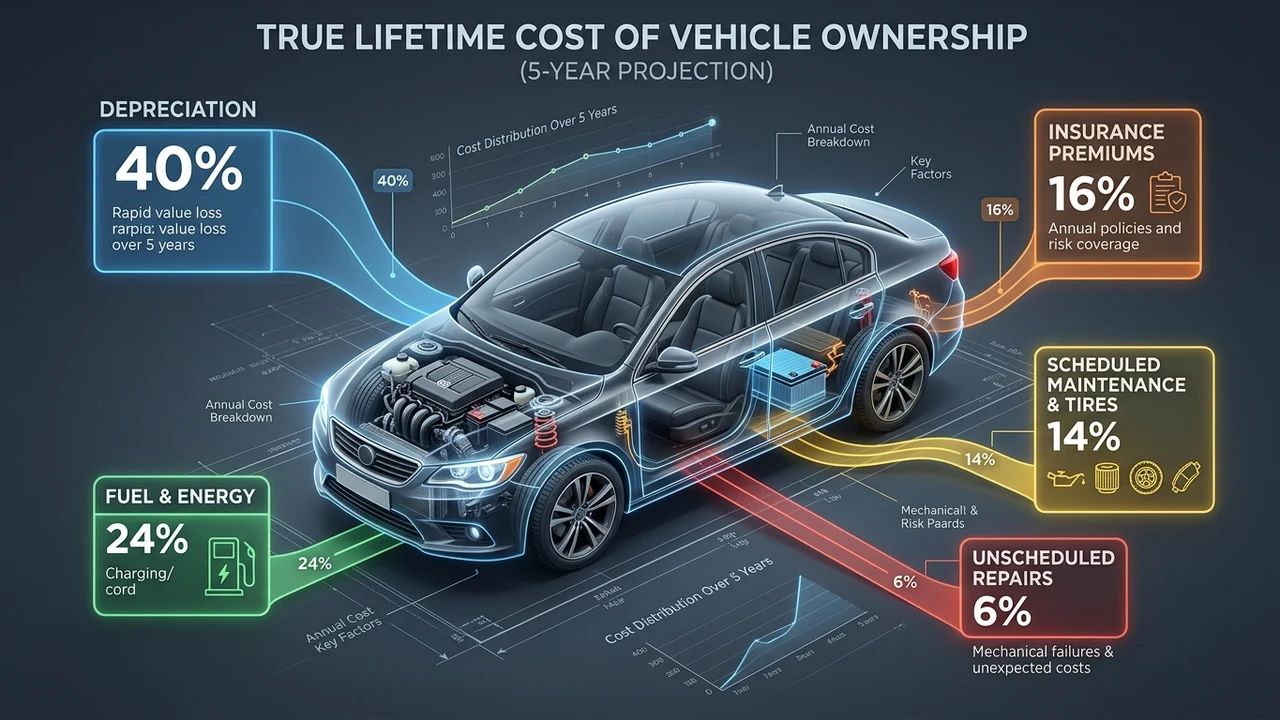
Here is a rough look at where the money tends to go over a normal ownership period. These shares shift from car to car, but the shape stays close.
| Cost type | What it covers | Rough share of total |
|---|---|---|
| Depreciation | Lost resale value | 35 – 40% |
| Fuel / energy | Gas or charging | 15 – 20% |
| Insurance | Coverage premiums | 10 – 15% |
| Maintenance & repairs | Upkeep and fixes | 10 – 15% |
| Financing | Loan interest | 5 – 10% |
| Fees & taxes | Registration, tags | 3 – 5% |
Look at that top row. Depreciation is the giant, and almost nobody plans for it. That’s the part we’ll dig into next.
If you want to get ahead of the repair line, a simple preventive maintenance plan is the cheapest tool you have. It’s boring. It also works.
Depreciation: The Biggest Cost You Never See
Depreciation is the money your car loses in value just by getting older. You don’t pay it in a bill. You pay it when you sell.
Say you buy a car and drive it for a few years. When you sell it, you get back less than you paid. That gap is depreciation, and it’s usually the single largest cost of owning a car.
New cars fall in value the fastest. In our experience helping folks weigh trade-ins, a new car can lose a big chunk of its worth in the first 12 months alone. Some drop 20% or more in year one.
Used cars slow down. A 3-year-old car has already taken the hardest hit. That’s why many smart buyers let someone else eat that first-year drop.
Here’s a plain example to show the idea. The numbers are simple on purpose.
| Car type | Buy price | Value after 5 years | Lost to depreciation |
|---|---|---|---|
| Brand-new sedan | $30,000 | $14,000 | $16,000 |
| 3-year-old sedan | $18,000 | $10,000 | $8,000 |
See the difference? The used car lost half as much value. That’s real money you keep.
One thing helps every car hold value better. Records. A car with a clean service history and no warning lights sells for more. When you keep up, the maintenance schedule most drivers ignore becomes a resale tool, not just a repair one.
Fuel, Maintenance, and Repairs Over the Years
In my professional experience, this is where drivers feel the pain month to month. Depreciation hurts once, at the end. Fuel and upkeep hurt all the time, in small, steady bites.
Let’s start with fuel. It’s the cost you notice every week at the pump. The good news is you have more control here than people think.
The U.S. Department of Energy’s fueleconomy.gov found that aggressive driving – hard braking and fast starts – can lower your gas mileage by roughly 15% to 30% at highway speeds and 10% to 40% in stop-and-go traffic. Around here, that stop-and-go part matters a lot. Our own Huntsville stop-and-go traffic is rough on both fuel and transmissions.
Now maintenance. This is the planned stuff. Oil changes, filters, brake pads, tires, and fluids. It’s small money on a schedule.
Then there’s repairs. This is the surprise stuff. A water pump. A timing belt. A sensor. These grow as the car ages, and they hit hardest after the warranty ends.
Here’s the lesson I repeat to every driver. Maintenance is the cheap bill you choose. Repairs are the expensive bill that chooses you. Skip the first, and you buy the second – the true cost of ignoring timing belts is a great example of a small job that turns into a huge one.
Keeping tires at the right pressure is one of the easiest wins. The same DOE guide notes you can improve gas mileage by about 0.6% on average – and up to 3% in some cases – just by keeping tires inflated right. That’s free money hiding in your driveway.
New vs. Used: Which One Really Costs More?
This is the question everyone asks. The honest answer? It depends on the whole picture, not just the price.
A new car costs more up front and loses value fast. But it comes with a warranty and years of low repair costs. A used car costs less to buy but may need more fixes sooner.
Let me put real numbers on the table. AAA’s 2024 Your Driving Costs study found the total cost to own and operate a new vehicle ran $12,297 per year – about $1,024.71 a month. The average sticker price in that study was $38,883.
The next year, things eased a bit. AAA’s 2025 study put the yearly cost at $11,577, or $964.78 a month – a $719 drop from the year before, helped by lower finance charges and fuel prices.
Here’s a simple side-by-side to weigh the trade-offs.
| Factor | New car | Used car |
|---|---|---|
| Purchase price | High | Lower |
| Depreciation | Very high early | Slower, already dropped |
| Repairs | Low (under warranty) | Higher as it ages |
| Insurance | Usually higher | Usually lower |
| Peace of mind | High | Depends on history |
There’s no single winner. A well-kept used car with good bones can beat a new one on total cost. A worn-out used car with hidden problems can cost more than a new one. The key is knowing what you’re buying before you sign.
One warning from years of seeing this play out. Dealer add-ons and coverage plans can quietly raise your true cost. It pays to understand the hidden costs of dealership warranties before you say yes to extras you may never use.
How to Lower Your True Cost of Ownership
I’ve solved this problem for hundreds of drivers, and the fix is never fancy. It’s habits. Small, steady, boring habits that save real money over the life of the car.
You can’t stop depreciation. But you can shrink the other big costs. Here’s where the control is.
The DOE’s fueleconomy.gov notes that using the manufacturer’s recommended grade of motor oil can improve gas mileage by 1% to 2%. That’s tiny per tank. Over years and thousands of miles, it adds up.
Below are the moves that lower your cost the most, from easiest to biggest payoff.
- Keep tires inflated – better mileage and longer tire life
- Change oil on time – protects the engine you already paid for
- Fix small issues early – a $40 part today beats a $1,400 repair later
- Drive smoothly – easy on the gas, easy on the brakes
- Follow your service schedule – no surprises, better resale
- Shop your insurance – rates change, loyalty rarely pays
Here’s a quick view of how small habits turn into saved dollars.
| Small habit | What it costs | What it can save |
|---|---|---|
| Proper tire pressure | Free | Fuel + new tires |
| On-time oil changes | Low | Engine repairs |
| Early repairs | Small | Big breakdowns |
| Smooth driving | Free | 10 – 30% on fuel |
Notice a theme? Most of these cost little or nothing. The money is saved by not creating expensive problems in the first place.
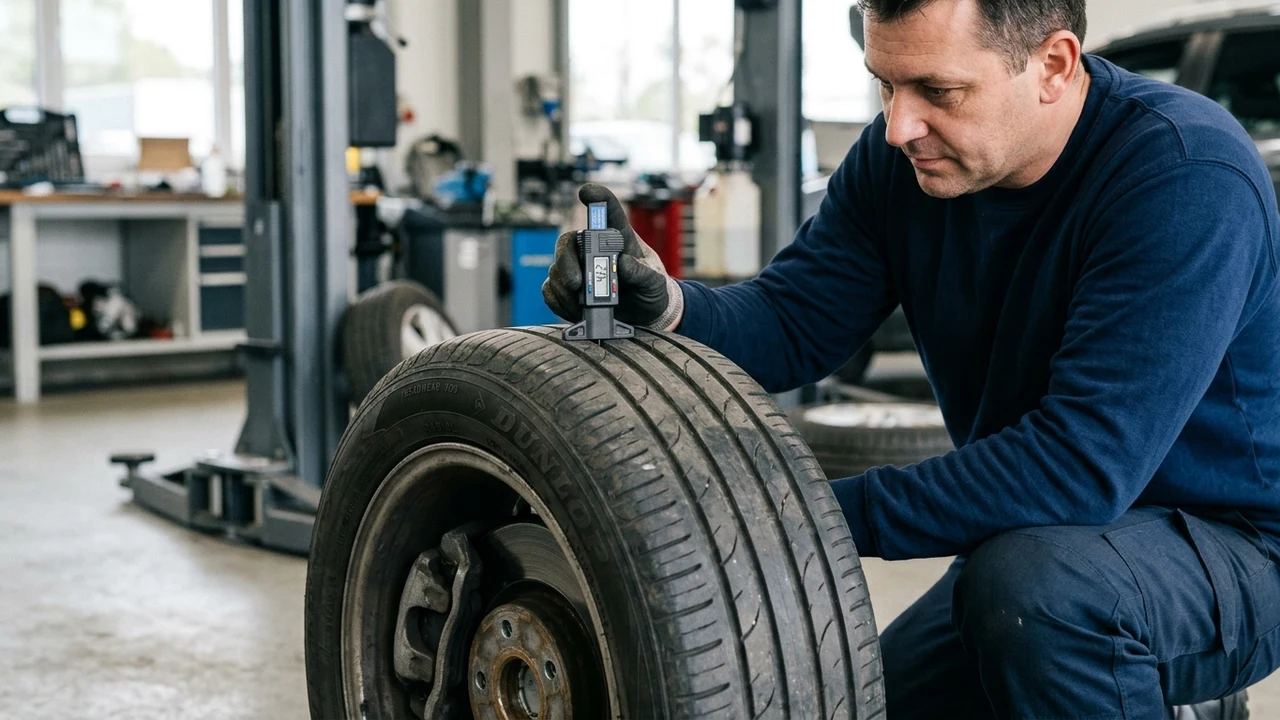
If you’re not sure what your car needs next, let’s take a look together. The team can run a check and tell you what’s urgent and what can wait – that’s a core part of what Brian’s Buddies members actually get, plain answers before the big bills show up.
Why Skipping Maintenance Costs You More Later
Let me tell you the pattern I see almost weekly. A driver skips a small service to save money now. Six months later, that skip turns into a repair that costs ten times more.
Cars don’t break all at once. They warn you. A little noise. A small leak. A light on the dash. Ignore it, and small becomes big.
In our shop, we’ve watched a skipped $120 service grow into a $1,600 repair more times than I can count. The savings were never real. They were just delayed pain, with interest.
This is where a membership setup earns its keep. When someone knows your car, catches issues early, and keeps records, you avoid the surprise bills. That’s the whole reason members get faster answers and repairs – the car gets looked at before it fails, not after.
Think of maintenance like brushing your teeth. Cheap, quick, and easy to skip. But skip it long enough and the dentist bill is brutal. Cars work the same way.
Planning Your Budget for the Full Ownership Period
In my professional experience, the drivers who stress least are the ones who plan for the whole ride, not just the first payment. They set money aside before the car needs it.
Here’s a simple way to think about your yearly car budget. AAA’s data puts the average new-car cost near $11,577 a year. Your car may cost less. The point is to plan for a full number, not just gas and payment.
Break your budget into buckets. It makes the big number feel small and doable.
- Loan or payment – your monthly amount
- Fuel – based on how far you drive
- Insurance – spread over the year
- Maintenance fund – set aside a little each month
- Repair cushion – for the surprise stuff
- Fees – registration and tags once a year
A good rule from years of watching budgets work? Put a small amount into a maintenance fund every month. Even $50 to $75 a month builds a cushion that catches most surprises before they become debt.
The drivers who do this rarely panic when a repair shows up. The money is already waiting. No credit card. No stress. Just a plan doing its job.
Have you added up your own true cost yet? Most people are surprised – in a good way – once they see the full picture and start planning for it.
Conclusion
A car’s real cost isn’t the price on the window. It’s depreciation, fuel, insurance, maintenance, repairs, and fees, all stacked over years. The sticker is just the start.
The good news is simple. You control most of it. Drive smooth. Service on time. Fix small things early. Set aside a little each month. Do that, and your car stays cheaper to own than your neighbor’s – even if you paid the same price.
Know your true cost. Plan for it. And when you need a straight answer about what your car really needs, we’re glad to help you sort the urgent from the “wait a bit.” That’s the whole idea behind keeping your ride affordable for the long haul.
Frequently Asked Questions
What is the true lifetime cost of vehicle ownership?
It’s every dollar a car costs you while you own it – not just the price. That includes depreciation, fuel, insurance, maintenance, repairs, loan interest, and fees. Experts call this the total cost of ownership.
What is the biggest hidden cost of owning a car?
Depreciation, by a wide margin. It’s the value your car loses over time, and it usually makes up 35% to 40% of total ownership cost. New cars lose the most, often 20% or more in the first year alone.
Is it cheaper to buy a new or used car?
It depends on the full picture. AAA found a new car cost about $11,577 a year to own in 2025. A used car costs less to buy and depreciates slower, but may need more repairs. A well-kept used car often wins on total cost.
How can I lower my car ownership costs?
Focus on small habits. Keep tires inflated, change oil on time, fix issues early, and drive smoothly. The DOE says smooth driving alone can improve mileage by 15% to 30% on the highway. Most of these fixes cost little or nothing.
How much should I save each month for car repairs?
A simple target is $50 to $75 a month into a repair fund. Over a year, that builds a cushion that covers most surprise repairs – so you’re not reaching for a credit card when something breaks.