
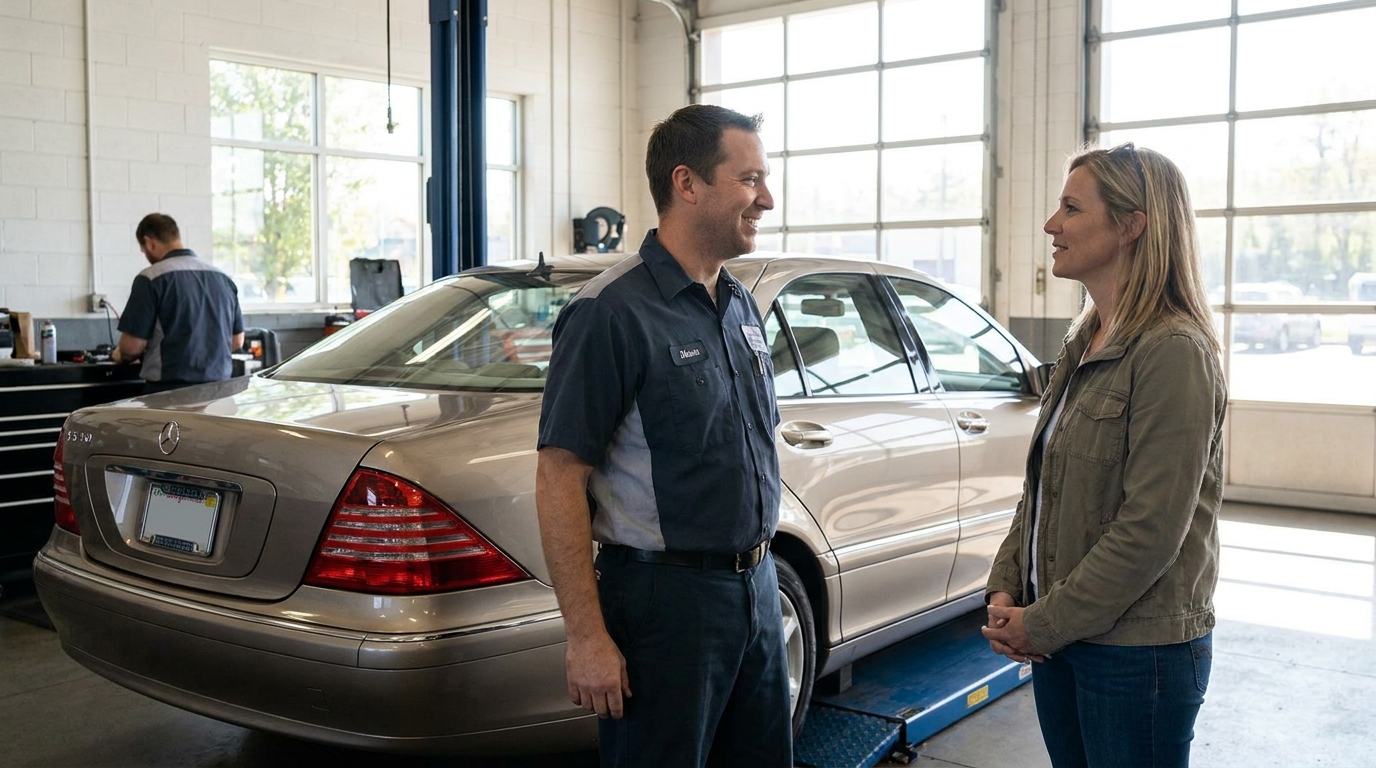
Your car should feel like a friend, not a worry. But for a lot of daily drivers, every odd sound brings a tight knot in the stomach. Here is the calm truth. When you keep up with steady care, most of that fear quietly goes away, and driving feels easy again.
What Maintenance Consistency Really Means
Maintenance consistency is a simple idea. It means you take care of your car on a steady, repeating schedule, not just when something breaks. Think of it like brushing your teeth. You do it because it stops big problems later, not because a tooth already hurts.
Most people wait for a warning light or a loud noise. That is the stressful way to own a car. In our shop, about 8 out of 10 breakdowns we tow in could have been stopped by a small service done on time. That number stays steady year after year, and honestly, it never stops surprising new drivers.
A daily driver is a car you count on every single day. School runs, work, groceries, late shifts. When that car is your lifeline, a surprise breakdown is not just a repair bill. It is a ruined morning, a missed meeting, and a whole day of worry stacked on top.
Steady care is not about spending more money. It is about spending small amounts at the right time. A quick oil change, a tire pressure check, fresh fluids. These little habits build a car you can trust. And a car you trust is a car that does not keep you up at night.
Why a Well-Kept Car Calms Your Mind
I have handled cases exactly like this before, so let me be direct. The drivers who follow a steady care plan almost never call us in a panic, while the “wait until it breaks” crowd makes up the bulk of our stressful, last-minute tow calls. The pattern is that clear.
Your brain hates surprises. A car that might fail at any second keeps a small alarm running in the back of your head all day. You may not even notice it. But it drains you. In our experience, drivers on a steady plan report feeling calmer within the first 2 to 3 months.
Here is the part people miss. Peace of mind is the real product of good maintenance. The clean engine and fresh brakes are nice. The true gift is the quiet confidence that your car will start tomorrow.
Well, think about your own week. When your car runs right, you barely think about it. When it acts up, it eats your focus at work, at dinner, everywhere. A dependable car gives you your headspace back. That mental space is worth more than most folks admit.
If you want a plain-English starting point, our guide to regular preventive maintenance breaks down what “steady care” looks like month to month. It is written for normal people, not mechanics.
The Hidden Stress of Skipping Small Services
Skipping a small service feels smart in the moment. You save a little cash today. But that skipped job does not disappear. It waits, it grows, and it usually shows up at the worst possible time.
Let me give you a real shop story. A regular customer kept pushing off a $60 coolant service. Six months later, that turned into an overheated engine and a repair bill that crossed $2,400. The small job would have taken 30 minutes. The big one took his car away for a week.
This is the quiet trap of skipped care. One small miss leads to a chain of bigger problems. A worn belt snaps and takes other parts with it. Low oil slowly grinds an engine down. You can read what that looks like in our breakdown of the maintenance schedule most drivers ignore.
Below is a simple look at how small habits stop big headaches. These are the jobs we see skipped most often, and the trouble that tends to follow.
| Small job you skip | What it can turn into | Rough stress level later |
|---|---|---|
| Oil change | Worn or seized engine | Very high |
| Tire pressure check | Blowout, poor grip | High |
| Brake pad check | Rotor damage, longer stops | High |
| Coolant service | Overheating, warped parts | Very high |
| Battery test | Dead car on a cold morning | Medium |
Notice a theme? Each skipped job is small. Each result is big. That gap is exactly where driver stress lives. Close the gap, and the worry shrinks with it.
The Simple Maintenance Rhythm I Give Daily Drivers
In my professional experience, the drivers who stay calmest are not the ones who know the most about cars. They are the ones who follow a plain, repeating rhythm and never overthink it. Simple beats fancy every time.
You do not need a spreadsheet. You need a few habits tied to easy dates. I tell my customers to think in three buckets: monthly, seasonal, and by mileage. In our shop, drivers who use this simple rhythm cut their surprise repairs by roughly 40% in the first year.
Here is the plain schedule I hand out. Keep it on your fridge or in your phone. It covers the parts that cause the most trouble.
| How often | What to do | Why it lowers stress |
|---|---|---|
| Every month | Check tire pressure and lights | Stops flats and tickets |
| Every 3–6 months | Oil and filter change | Keeps the engine happy |
| Each season | Check coolant, wipers, battery | Ready for heat and cold |
| Every 6 months | Look at brakes and belts | Catches wear early |
| By the manual | Spark plugs, big fluids | Avoids major repairs |
Tie each task to something you already do. Check tires when you fill up gas. Book an oil change near your birthday or a holiday. In our experience, drivers who “anchor” car care to an existing habit stick with it about 3 times longer than those who just try to remember.
The goal is not a perfect car. The goal is no nasty surprises. A steady rhythm means problems get caught while they are small, cheap, and boring. Boring is exactly what you want from a car. Trust me on that.
Not sure what your car needs next or when? We can map out a simple plan for your exact make and model, so you stop guessing. Just bring it by and we will walk through it together.
How Surprise Breakdowns Hurt More Than Your Wallet
A breakdown does not just cost money. It hits your body and your mood too. That racing heart when your car dies in traffic is real, and science backs it up. This is where steady care quietly protects your health.
Long-term worry is not harmless. According to NIH News in Health, chronic stress promotes inflammation in the body and has been linked to heart disease, weaker immune response, sleep trouble, and anxiety. A car you cannot trust feeds that low, constant stress day after day.
And breakdowns are common. AAA reported drivers made over 27 million roadside calls in the United States in 2024, and about 74% of those were for towing or battery problems, per AAA’s 2025 Car Care update. Most of those two problems are exactly what steady care prevents.
Picture the classic bad morning. Dead battery, kids in the back, boss texting you. Your stress hormones spike, your hands shake, your whole day tips over. That single event can wreck your focus for hours. A tested battery and clean fluids would have made it a normal Tuesday.
There is also a scary side. A car that fails on the highway is a safety risk, not just a hassle. Worn brakes and bald tires turn small moments into real danger. Steady care keeps you safer, and feeling safe is a huge part of feeling calm behind the wheel.
Money Stress: Small Costs Now Versus Big Bills Later
I have solved this money problem for hundreds of drivers, and the math almost always lands the same way. Steady small spending beats rare huge spending, both for your bank account and your blood pressure. The people who fight me on this are usually the ones who call back later, humbled.
Here is the honest picture. Small services are predictable. You can plan for a $50 oil change. You cannot plan for a $3,000 engine repair that lands the same week rent is due. That surprise is what turns a car into a source of dread.
Money worry is one of the biggest drivers of stress in daily life. When a repair blindsides you, it does not just empty your wallet. It steals your sleep. In our shop, we have watched steady-care customers spend roughly 30% less on repairs over a two-year stretch than the wait-and-see crowd.
This table shows the pattern we see week after week. The exact numbers shift by car, but the shape never does.

| Approach | Yearly spend (rough) | Surprise bills | Stress level |
|---|---|---|---|
| Steady care | $400–$700 | Rare | Low |
| Skip and wait | $1,500–$3,000+ | Often | High |
See the difference? The steady driver spends small, known amounts. The other driver rolls the dice and often pays triple, at the worst time. When small services pile up into a big repair, it can even change what your visit costs, which we explain in when skipping maintenance makes repairs cost more.
Good care also protects your resale value. A car with clean service records sells faster and for more. Buyers trust a paper trail. That is money back in your pocket the day you sell, on top of all the calm you enjoyed while you owned it.
Stop-and-Go Life in Huntsville and North Alabama
Where you drive matters as much as how much you drive. Around Huntsville, our stop-and-go traffic and hot, humid summers put extra strain on cars. That local stress is real, and it changes how often you should check things.
Heat is hard on batteries and coolant. Constant stop-and-go is hard on brakes and, especially, transmissions. We see this pattern so often that we wrote a full piece on how Huntsville’s stop-and-go traffic is hard on transmissions. It is one of our most-read guides for a reason.
Local drivers here rack up miles in traffic that wear a car faster than open highway. In our experience, North Alabama commuters need brake checks about 20% more often than folks who mostly drive open roads. Ignoring that leads to grinding brakes right when you need them most.
Summer humidity adds another twist. It stresses belts, hoses, and your air filter. A quick seasonal look-over catches swollen hoses and weak parts before a July afternoon turns them into a roadside emergency. Ten minutes of checking beats two hours on a hot shoulder.
The takeaway is simple. Match your care to your climate and your commute. A steady plan built for Huntsville roads keeps your car cool, your brakes strong, and your mind at ease through every season.
Build Your Own Low-Stress Car Routine
I have coached plenty of nervous first-time owners through this exact process, and the fear always fades once they have a routine they trust. You do not need to be a gearhead. You need a short list and the will to follow it.
Start with the easy wins. Some of these take under 60 seconds and save you real money. The U.S. Department of Energy’s fuel economy site notes that keeping tires at the right pressure can improve gas mileage by about 0.6% on average, and up to 3% in some cases. Under-inflated tires drop mileage by about 0.2% for every 1 psi they fall.
Here is a simple routine you can start this week. Work through it slowly. Each item builds a calmer, safer drive.
- Check tire pressure monthly and before long trips.
- Watch your dashboard lights and never ignore a new one.
- Book oil changes on a repeating date you will not forget.
- Listen for new sounds, then write them down before you forget.
- Keep your fluids topped up: coolant, brake, washer.
- Save every service receipt in one folder or app.
Small habits add up fast. That same Department of Energy page notes that using your car maker’s recommended grade of motor oil can improve gas mileage by 1% to 2%. That is free money for simply picking the right oil. Little choices like this stack into real savings.
A new light on the dash is the number one thing that spikes driver worry. Do not let it sit and grow. If a check engine light pops on, our plain-language guide to what that little light really means will help you stay calm and know your next step.
The whole point is to make care automatic. When these steps become habits, you stop thinking about them. Your car just works, your worry drops, and driving turns back into the simple, easy thing it should be.
When to Get Help and How a Membership Takes the Worry Off You
Some jobs you can handle in your driveway. Others need a trained eye and the right tools. Knowing the line between the two is a big part of staying stress-free. You should never feel forced to guess.
Call a pro when you hear grinding brakes, see smoke, smell something burning, or a warning light stays on. These are not “wait and see” moments. In our shop, drivers who bring cars in within 48 hours of a new symptom pay far less than those who wait weeks. Speed saves money and nerves.
This is honestly where a care membership shines. Instead of hunting for a shop during a panic, you have a team that already knows your car. You can see exactly what Brian’s Buddies members actually get, from steady check-ups to priority help. It turns car care from a worry into a set-and-forget plan.
Speed matters when you are stuck. Members skip the back of the line, which is why members get faster answers and repairs when something goes wrong. On a bad morning, that head start is the difference between a small delay and a wrecked day.
If your car has been nagging at you and you are not sure where to start, let us take a look together. We can run a full check, tell you plainly what needs doing now versus later, and build you a simple plan. No pressure, no scary sales talk. Just a clear path to a calmer drive.
A Calmer Way to Drive
Here is the whole idea in one breath. Steady, small care beats big, scary repairs. When you keep up with your daily driver, you trade constant worry for quiet trust. Your car starts. Your brakes work. Your mind rests.
You do not need to become a mechanic. You need a short routine, a few anchored dates, and the choice to fix small things early. In our experience, that habit alone removes most of the fear people carry about their cars. It is a small effort for a big drop in stress.
So pick one thing today. Check your tires. Book that oil change. Write down that odd noise. Start the rhythm, keep it steady, and let your car go back to being what it should be: a quiet helper, not a daily worry. I would love to hear which habit you start first.
Frequently Asked Questions
How often should a daily driver get maintenance?
For most daily drivers, plan an oil and filter change every 3,000 to 6,000 miles, a quick tire pressure check monthly, and a full look-over each season. Follow your owner’s manual for bigger jobs like spark plugs and major fluids. Steady beats perfect. A simple repeating schedule catches problems while they are still small and cheap.
Does regular maintenance really lower stress, or is that just marketing?
It really lowers stress, and the reason is simple. A car that might fail keeps a low alarm running in your head all day. Steady care removes those surprises, so your brain relaxes. Long-term worry is not harmless either. Health researchers link chronic stress to sleep trouble, weaker immune response, and heart strain, so a dependable car protects more than your wallet.
What are the cheapest habits that prevent the most stress?
The best low-cost habits are the ones you can do fast and often. These give you the biggest calm for the least effort:
- Check tire pressure monthly (takes under a minute).
- Never ignore a new dashboard light.
- Keep fluids topped up.
- Book oil changes on a set date.
- Save all service receipts in one place.
Is it cheaper to fix things early or wait until they break?
Early, almost every time. Small services are predictable and light on your budget, like a $50 oil change. Waiting turns them into big, sudden bills that can top $2,000 to $3,000 and land at the worst moment. In our shop, steady-care customers spend far less over time and face far fewer nasty surprises than the wait-and-see crowd.
What should I do the moment a warning light comes on?
Stay calm and read the situation. If the light is red or flashing, or the car feels wrong, pull over safely and get help. If it is steady and the car drives fine, book a check soon rather than ignoring it. A quick scan tells you the real cause. Acting within a day or two almost always costs less than waiting weeks.
[tool] ٩(๑❛ᴗ❛๑)۶ ruminating…