
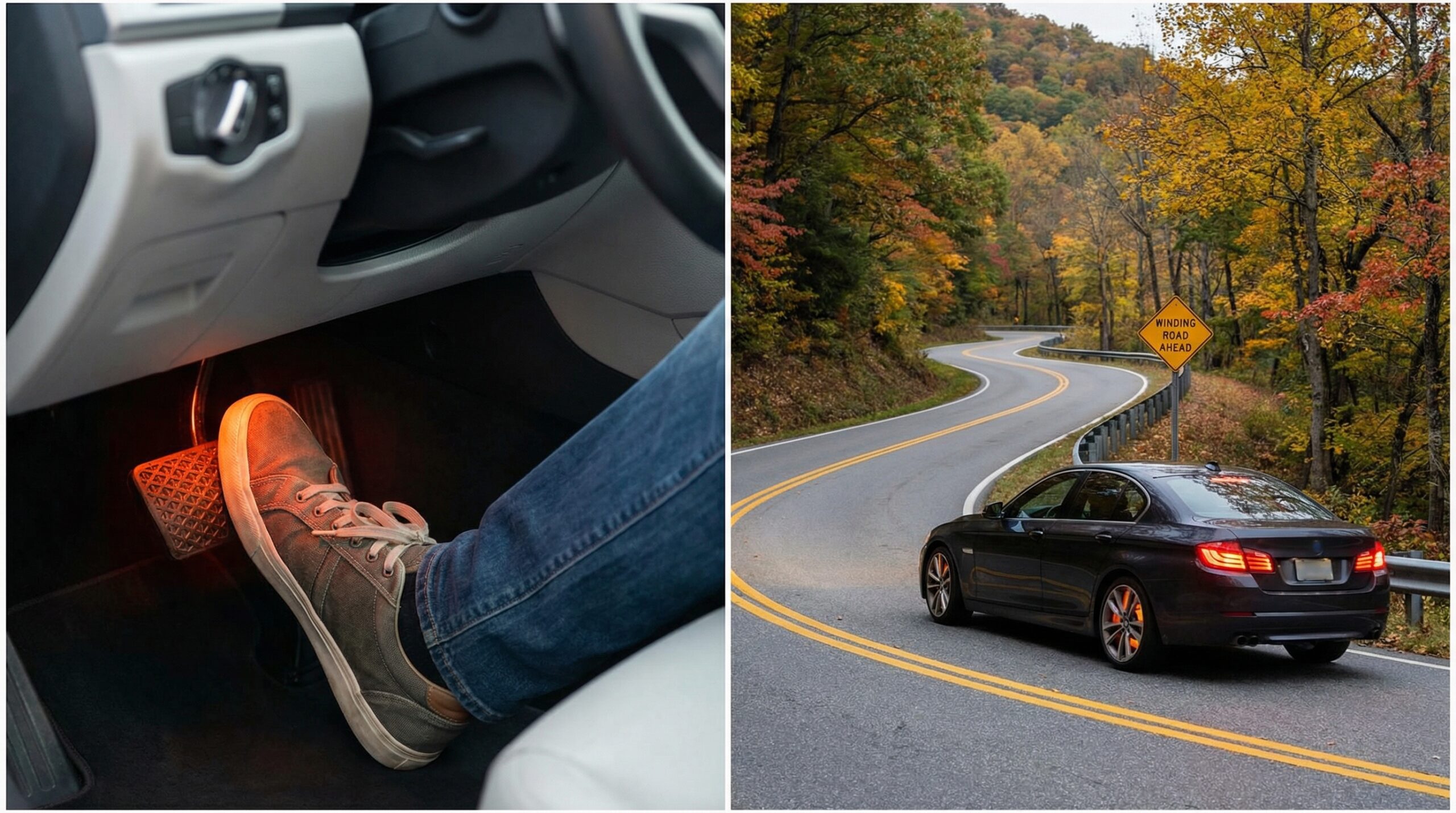
Last summer, I watched a car pull into the parking lot at Monte Sano State Park with smoke coming from the wheels. The driver looked shaken. He told me he had no idea his brakes could fail like that. He kept pressing the pedal harder and harder going down the mountain, but nothing happened. That moment scared me. It made me realize how many people drive up Monte Sano Mountain in Huntsville, Alabama without knowing the dangers. This mountain may not be the Rockies, but it can hurt your car and put you at risk if you don’t know what you’re doing. Let me show you how to drive down safely and keep your brakes working when you need them most.
Why Monte Sano Mountain Demands Your Attention
The Geography That Makes It Challenging
Monte Sano sits about 1,640 feet above sea level. That’s roughly 1,000 feet higher than downtown Huntsville below. The roads wind up the side with tight curves and steep sections. Bankhead Parkway takes you up one side. The other roads through the residential areas twist even more. What makes it tricky is the combination. You get steep grades, sharp turns, and narrow lanes all at once. You can’t see what’s coming around the bend. And if someone is coming up the mountain, they have the right of way. I’ve driven it many times. Even when I know what’s coming, I stay alert. The mountain doesn’t forgive mistakes.
What Makes This Alabama Mountain Different
Monte Sano isn’t like mountains out west. It’s a mesa that sits separate from the main plateau. The Tennessee Valley surrounds it on all sides. This means the roads drop off quickly. There’s not much space for runaway lanes or emergency stops like you’d find on bigger mountains. Most people visit for the trails, the state park, or the homes at the top. They don’t expect the drive to be challenging. But that surprise is exactly what causes problems. According to a study published by the National Highway Traffic Safety Administration, brake failure on mountain roads is one of the leading causes of accidents in hilly regions. While the study focuses on larger mountain ranges, the principles apply to any steep descent. You can read more on brake safety from NHTSA’s vehicle safety page.
What Happens When You Ignore Your Brakes on a Mountain
The Science Behind Brake Fade
Your brakes work by creating friction. When you press the pedal, pads squeeze against the rotors or drums. This friction creates heat. On flat roads, this works fine. The heat spreads out between stops. But when you’re going downhill, you use your brakes constantly. The heat builds up faster than it can escape. When brake temperature gets too high, the pads can’t grip properly anymore. This is called brake fade. Your pedal still feels firm, but nothing happens. You keep pushing, but the car doesn’t slow down. I’ve felt it once on a mountain in Colorado. My heart dropped into my stomach. The pedal went almost to the floor before I finally started slowing. It’s terrifying.
Real Stories from Monte Sano Drivers
A friend of mine who lives on the mountain told me about her neighbor. He was driving down after a party one night. He rode his brakes the whole way. By the time he got to the bottom, his brake pedal was soft like a sponge. He made it home okay, but the next morning his mechanic found completely glazed brake pads. The rotors had to be replaced too. It cost him over $800. Another driver I talked to said he could smell burning brakes halfway down. He pulled over at a turnout and waited 15 minutes for things to cool. Smart move. That smell means trouble. These aren’t just random stories. They happen all the time on Monte Sano. The mountain is forgiving in some ways, but not when it comes to brakes.
Engine Braking: Your Best Friend on Steep Descents
How Engine Braking Actually Works
Engine braking is when you use your transmission to slow the car instead of the brakes. It sounds complicated, but it’s simple. When you take your foot off the gas in a low gear, the engine acts like a pump. It creates resistance that slows the wheels. No brake pads, no heat, no fade. Big trucks use something called a jake brake that works the same way. You’ve probably heard them on highways – that loud rumbling sound. For regular cars, you just shift to a lower gear. The engine does the work for you. It’s safer, smarter, and saves your brakes for when you really need them – like stopping at intersections or avoiding hazards. I learned this from my grandfather who drove trucks for 30 years. He always said, “Brakes are for slowing, gears are for controlling.” That advice has saved me many times.
When to Shift Down on Monte Sano Roads
Here’s my rule: shift down before you start going downhill, not during. If you’re driving an automatic, move the shifter from “D” to “2” before the descent begins. This keeps the car in second gear and won’t let it shift up. On really steep sections, you can drop to “1” or “L” (low). This works best when you’re going under 30 mph. Don’t force it at higher speeds – let the car slow down first. For manual transmission cars, drop to third or second gear depending on how steep it is. You want the engine RPM to be higher – around 2,500 to 3,000 RPM usually works well. On Monte Sano, I typically shift down as soon as I leave the parking areas at the top. The descent starts almost immediately, and being ready makes all the difference. Here’s a tip: if your car starts going faster even in low gear, that’s when you tap the brakes briefly. Then let them cool. Repeat as needed. This is called snub braking.
The Right Way to Use Your Brakes Going Downhill
Intermittent Braking vs Continuous Braking
Continuous braking means keeping your foot on the pedal the whole way down. This is what most people do. And it’s exactly what causes brake failure. Think of it like this: your brakes need to breathe. If you press them constantly, they overheat and stop working.
Intermittent braking is different. You press the brakes firmly for a few seconds to slow down. Then you release completely. The brakes cool while you coast in a low gear. When you speed up again, you brake again. Some people call this the “5-3 technique.” You let your speed go up 5 mph above your target, then brake for 3 seconds to bring it down 5 mph below your target. Repeat. For example, if you want to stay around 25 mph, you let it drift to 30, brake hard for 3 seconds down to 20, then release and repeat. This keeps your brakes from overheating and gives you full stopping power if an emergency happens.
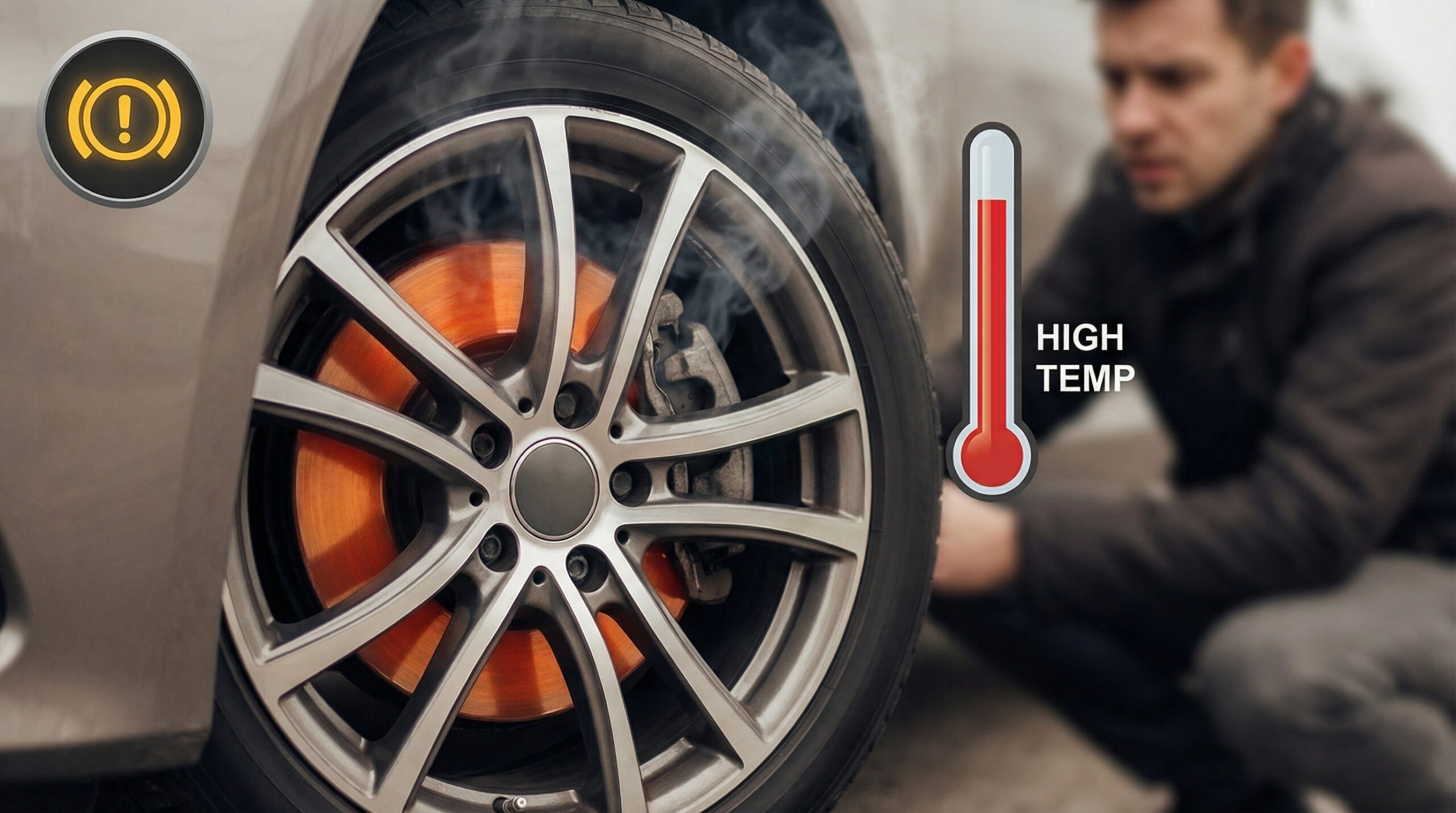
Signs Your Brakes Are Getting Too Hot
Pay attention to these warning signs:
Smell: If you smell something like burning rubber or a sharp chemical odor, your brakes are too hot. Pull over safely and wait 10-15 minutes.
Soft pedal: If the brake pedal feels spongy or goes down farther than normal, you’re losing brake pressure. This is dangerous. Find a safe spot and stop.
Noise: Squealing brakes or grinding sounds mean trouble. Sometimes it’s just worn pads, but on a descent it can mean overheating.
Vibration: If the pedal vibrates or pulses (and you don’t have ABS engaged), your rotors might be warped from heat. Slow down more with the engine. I once ignored the smell on a road trip. Big mistake. My brakes started smoking within a mile. I had to pull over and wait almost 30 minutes. Now I stop at the first sign of trouble.
Preparing Your Vehicle Before Driving Monte Sano
Quick Brake Check You Can Do Yourself
Before you drive up Monte Sano, spend five minutes checking your car. You don’t need special tools. First, look at your brake fluid reservoir. It’s usually near the back of the engine bay. The fluid should be between the “min” and “max” lines. If it’s low, top it off or get it checked by a mechanic. Second, check your tires. Make sure they have good tread and proper air pressure. Bald tires can’t grip the road when you brake, especially on curves. Third, test your brakes in a parking lot or quiet street. Press the pedal at different speeds. It should feel firm and responsive, not soft or squishy. If anything feels off, don’t risk it. Get the car checked. It’s cheaper than an accident or expensive repairs later.
When to Get Professional Brake Inspection
Some brake problems need a professional. Here’s when to visit a mechanic: If you hear grinding or scraping when you brake, your pads are worn down to the metal. This damages the rotors and costs more to fix the longer you wait. If your brake light comes on the dashboard, don’t ignore it. This usually means low brake fluid or a problem with the brake system. If you feel pulling to one side when braking, you might have a stuck caliper or uneven brake wear. This makes stopping dangerous, especially on curves. If it’s been more than a year or 12,000 miles since your last brake inspection, get them checked. Brake pads wear out gradually, and you might not notice until it’s too late. According to the Brake Manufacturers Council, regular brake maintenance can prevent up to 90% of brake-related accidents.
Special Tips for Different Vehicle Types
Automatic vs Manual Transmission Techniques
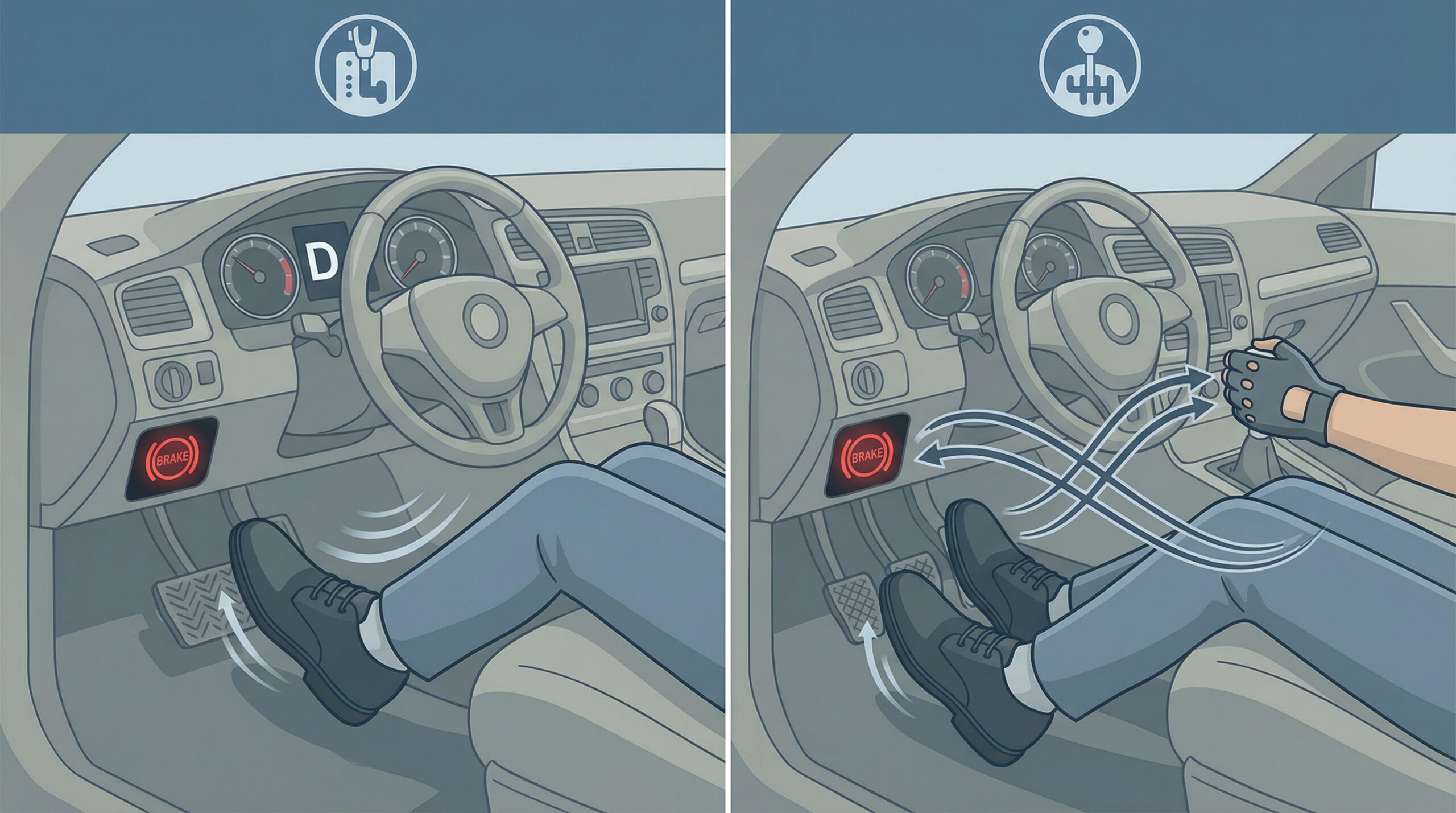
If you drive an automatic transmission, use the numbered gears on your shifter. Most cars have “2” and “1” or “L” below the “D” position. You can shift into these gears while driving – it’s called “shifting on the fly.” Just make sure you’re at the right speed. Stay under 50 mph for “2” and under 30 mph for “1” or “L.” Some newer automatics have a “+/-” mode for manual control. Use the minus (-) to downshift as you start the descent. The car will hold that lower gear. For manual transmission cars, you have more control. Downshift to third or second before the steep part. Keep the engine around 2,500-3,500 RPM for good engine braking. Don’t downshift too aggressively or you’ll lock up the rear wheels. Shift smoothly and let the clutch out gradually. I drive a manual, and I love the control it gives me on Monte Sano. I can feel exactly how much the engine is helping to slow the car.
RVs and Heavy Vehicles on Monte Sano
If you’re driving an RV or pulling a trailer, the rules change. Weight makes everything harder. First, go even slower than you think you need to. A heavy vehicle builds momentum quickly going downhill. Once it starts rolling, it’s hard to stop. Second, use the lowest gear that makes sense. For RVs, this might be second or even first gear on the steepest sections. Don’t be embarrassed about going slow – safety matters more than speed. Third, watch your temperature gauge. Heavy loads make engines work harder, and going downhill in low gear keeps the RPM up. If your engine starts to overheat, pull over and let it cool. Fourth, know your vehicle’s weight limits. If you’re over the limit, the brakes might not be strong enough to handle the descent safely. A study by the RV Safety & Education Foundation found that many RV accidents on mountain roads happen because drivers don’t use proper engine braking techniques. I saw a large motorhome struggling on Monte Sano last year. The driver was riding the brakes hard. I could smell the burning from 50 feet away. He finally pulled into a parking area, and I could see smoke coming from the wheels. Use your gears, folks.
Common Mistakes Drivers Make on Monte Sano
Riding Your Brakes All the Way Down
This is the number one mistake. People keep their foot on the brake pedal from top to bottom. It feels natural. You’re going downhill, so you want to stay slow. But constant pressure generates constant heat. And that heat builds up faster than it can escape. I get it – letting go of the brakes feels scary at first. But that’s what the low gear is for. It controls your speed without the heat. Think of your brakes like a fire extinguisher. You don’t want to empty it all at once. You want to save it for when you really need it. Use your transmission for speed control. Use your brakes for adjustments and stops. That’s the smart way to drive any mountain.
Not Checking Road Conditions First
Monte Sano can be tricky in bad weather. Rain makes the roads slippery. Ice is rare in Alabama, but it does happen in winter. Before you drive up, check the weather. If it’s raining or has recently rained, take it extra slow. Wet roads reduce traction, and you need more distance to stop. In winter, black ice can form on shaded sections of the road, especially early in the morning. If the temperature is near freezing, be extra careful. Also, watch for leaves in fall. Wet leaves are as slippery as ice. They can cause your tires to slide, especially on curves. I made the mistake once of driving up Monte Sano right after a storm. The roads were covered in wet pine needles. My car slid on a turn, and I barely stayed in my lane. Lesson learned.
Conclusion
Monte Sano Mountain is a beautiful place. The views of Huntsville are amazing. The trails and state park are worth visiting. But the drive demands respect. Your brakes can fail if you don’t use them correctly. And brake failure on a mountain is scary and dangerous. Remember these key points: use engine braking by shifting to a lower gear before you start down. Use intermittent braking instead of constant pressure. Watch for warning signs like smell, soft pedal, or noise. Check your brakes before you go. And if you drive a heavy vehicle, go slow and use the lowest gear. These simple steps will keep you safe and protect your car. Monte Sano is not a mountain to take lightly, even though it’s smaller than mountains out west. Drive smart, stay safe, and enjoy everything this mountain has to offer.
Frequently Asked Questions
How steep is Monte Sano Mountain?
Monte Sano rises about 1,000 feet above the Tennessee Valley floor over a distance of several miles. The steepest sections have grades around 6-8%, which is enough to cause brake problems if you’re not careful. Some curves have even steeper short sections. It’s not the steepest mountain in America, but it’s steep enough to overheat your brakes if you ride them continuously.
Should I use D, 2, or 1 when going down Monte Sano?
Use “2” (second gear) for most of the descent if you’re driving an automatic transmission. This keeps your car from shifting up and gives good engine braking. On the steepest sections, you can shift to “1” or “L” (low) if you’re going under 30 mph. Stay in “D” only if the road flattens out. The goal is to let the engine control your speed, not the brakes.
What are the warning signs of brake failure?
Watch for these signs: a burning smell (like hot metal or rubber), a soft or spongy brake pedal, smoke coming from the wheels, squealing or grinding noises, vibration in the pedal, or the car not slowing down even when you press hard. If you notice any of these, pull over safely and let your brakes cool for at least 10-15 minutes before continuing.
Can I drive a large RV up Monte Sano safely?
Yes, but use caution. The roads are narrow in some areas, and some turns are tight. Check your route first – some residential roads on the mountain are not suitable for large RVs. Use Bankhead Parkway or the main state park road. On the way down, use second or first gear and go slow. Heavy RVs need more distance to stop, and their brakes overheat faster than cars. Many RV drivers successfully visit Monte Sano State Park each year by following proper techniques.
Is it safe to drive Monte Sano in winter?
Generally yes, but watch the weather forecast. Alabama winters are mild, but Monte Sano can get ice when the valley floor doesn’t because it’s 1,000 feet higher. Black ice can form on shaded sections of the road on cold mornings. If the temperature is below 35 degrees Fahrenheit, be extra careful. Wet leaves in late fall can also be slippery. If conditions look bad, it’s better to wait for another day.